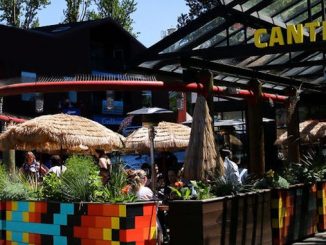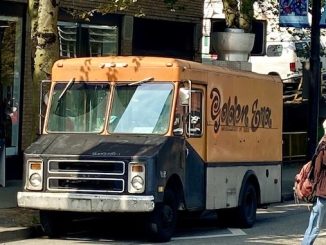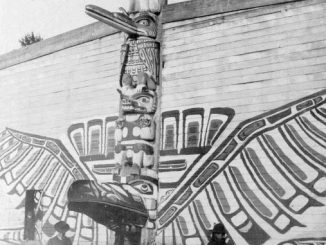
Strathcona, along with Chinatown, Gastown, and Yaletown, is one of Vancouver’s oldest residential neighbourhoods, with roots tracing back to the city’s early days in the mid-19th century. Originally known as the East End, Strathcona developed as a working-class district close to the city’s emerging industrial waterfront and railway lines. Its proximity to the Hastings Mill and the Canadian Pacific Railway yard made it a natural home for labourers and immigrants, and by the early 1900s, it had become a diverse and vibrant community.

Over the decades, Strathcona became home to a rich mix of cultural groups, including Chinese, Japanese, Jewish, Italian, and Indigenous residents. The neighbourhood is particularly important to the history of Vancouver’s Chinese Canadian community, as it borders what is now Chinatown. Despite attempts at urban renewal in the 1950s and 1960s, including proposals to bulldoze the area for freeway development, residents organized and fought to preserve the community’s heritage and housing, leading to one of the city’s most significant grassroots preservation efforts.

Today, Strathcona is known for its tree-lined streets, colourful heritage homes, and strong sense of community. It remains a symbol of resilience and multiculturalism, reflecting both the challenges and triumphs of Vancouver’s urban history.


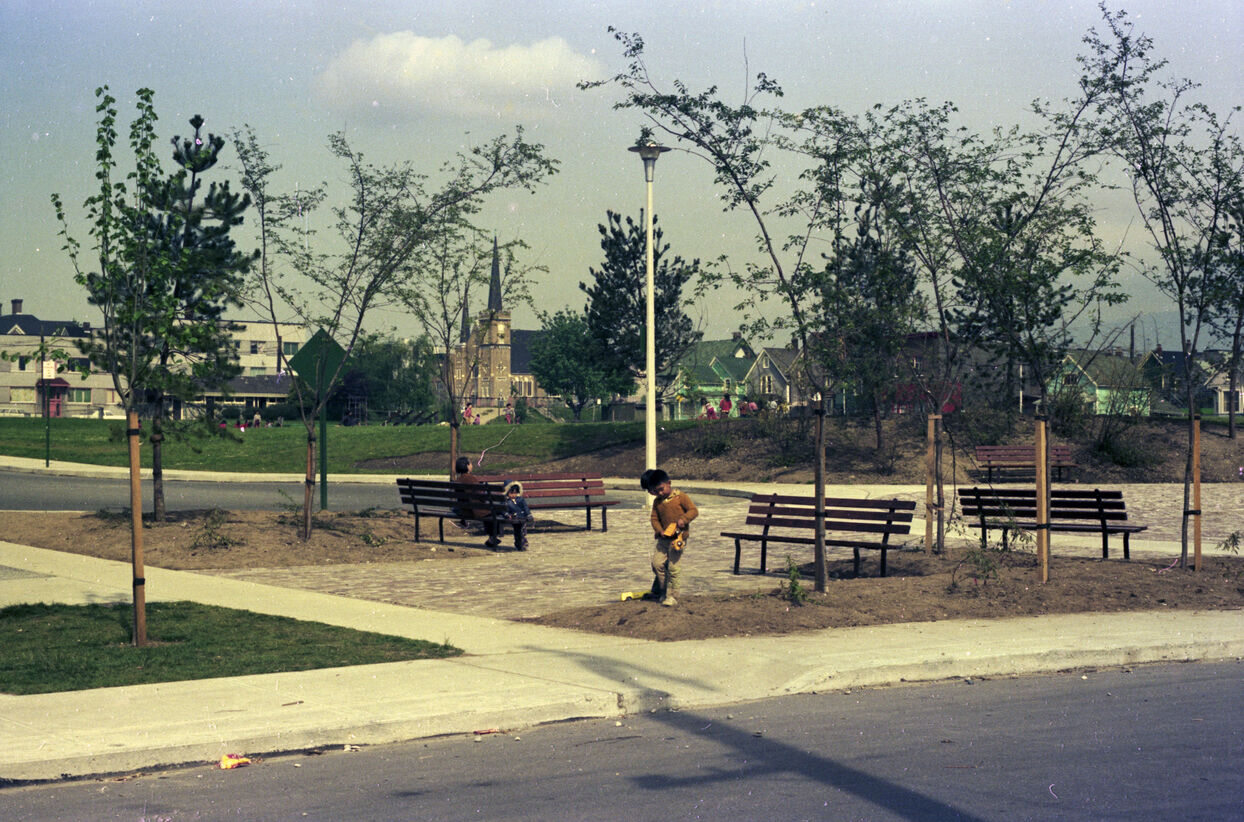


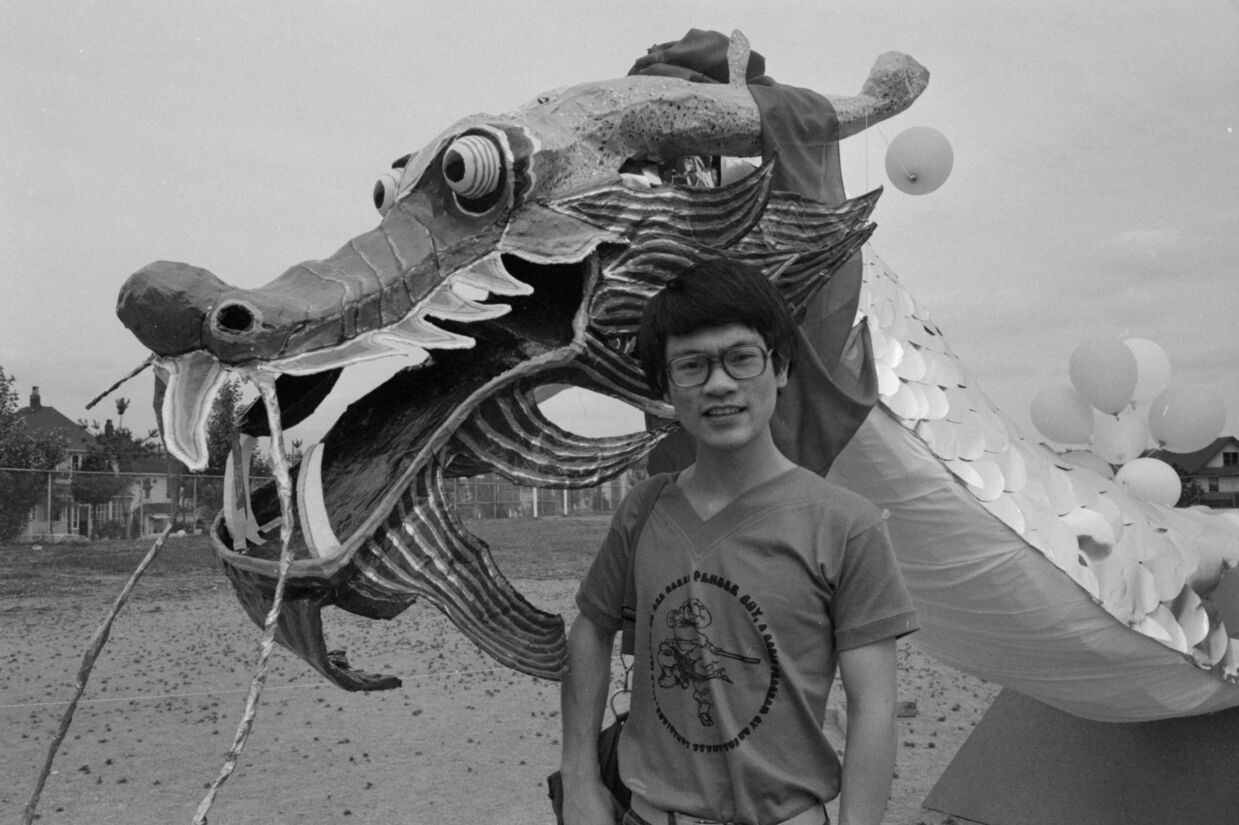


The photos above were collected from the City of Vancouver Archives. If you’re interested, additional information can be found for each photograph on their website. Stay tuned for additional posts featuring historical photos from Vancouver, British Columbia, and across Western Canada. We’d love to know what you think in the comment section below.