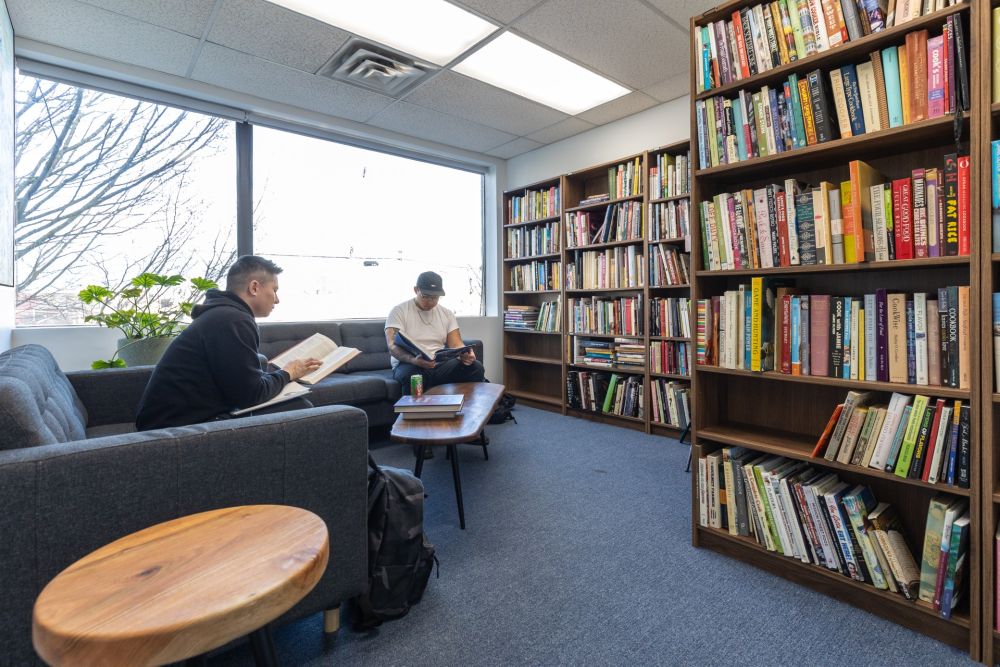
The Chefs’ Table Society of British Columbia is a chef-administered, province-wide collaborative that is dedicated to fostering community and the sharing of knowledge among culinary professionals. Since 2004, they have created a nurturing environment for culinary students of all levels and built collaborative partnerships with local suppliers and producers. Most recently, the Chefs’ Table Society of British Columbia launched a brand new culinary library and learning space. The Commons is unique in the world for offering a culinary archive not just to Society members or culinary professionals but to the public as well. With a treasure trove of cookbooks, past restaurant menus, as well as culinary awards and even artwork, The Commons is a tangible representation of the guiding principles behind the Chefs’ Table Society. We spoke with Robert Belcham, Chefs’ Table Society of British Columbia Board Chair, the Commons by CTS, to learn more.

Describe your charity/non-profit/volunteer work in a few sentences.
The work we do at the CTS is building a more solid foundation for everyone in Culinary and Hospitality. From real-world advocacy to building extensive online resources. To the brand hospitality community hub in the Commons by CTS.
What problem does it aim to solve?
To bring much-needed resilience and leadership to a very passionate community of professionals.
When did you start/join it?
2010
What made you want to get involved?
The restaurant industry paved a way to allow me to be successful. I want to give back and make it even better for the people coming up after me.
What was the situation like when you started?
Needing to move into the future and actually understand that our careers need to become sustainable.
How has it changed since?
Like most industries, it is like a massive locomotive, and change is a slow process.
What more needs to be done?
In my 35 years of experience in this industry, 3 major things must change to make it better for everyone.
1) A better definition of who “we” are. Employees at Burdock and Co are not the same as employees at a Wendy’s. But in the eyes of the government, our lobbying advocates and in some ways the public, we are.
2) Leadership development and more accreditation. A more empowered workforce is a more resilient workforce.
3) Tipping. The model is antiquated and no longer works within the public’s perception of value.
How can our readers help?
Come to the Commons and support our public-facing events
Where can we follow you?
Website | Facebook | Instagram
PAY IT FORWARD: What is an awesome local charity that you love?
BC Hospitality Foundation. They have been supporting our industry members for years.