
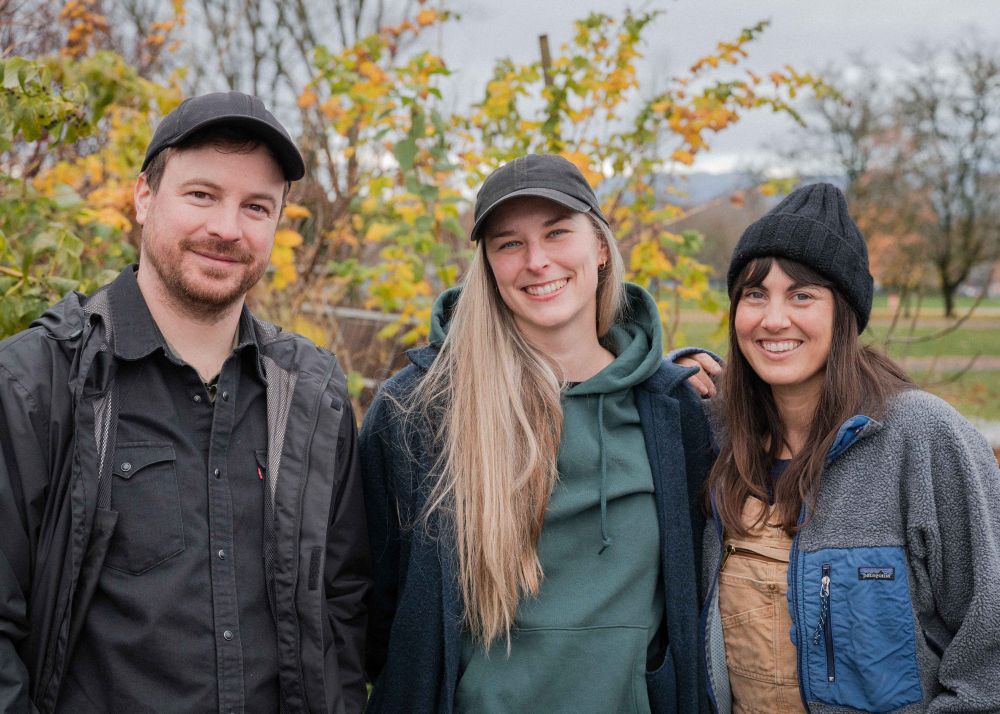
Victory Gardens revitalizes spaces, transforming them from underutilized into food-focused, productive ecological landscapes. This Vancouver-based cooperative was founded in 2012. Since then, they’ve worked to unite the community while promoting food sovereignty. Victory Gardens designs and builds foodscapes in gardens of all sizes, and they also offer coaching. We talked to co-founder Sam Philips to learn more about how Victory Gardens promotes ecosystem productivity and diversity with their garden installations.
What is your business called and what does it do?
Victory Gardens designs, installs, and maintains food-focused ecological landscapes, as well as offers educational services through personalized coaching and our school garden program, The Classroom Gardener.
What made you want to do this work?
An interest in food sovereignty, connection to the land and community.
What problem did you want to solve with the business?
To rethink how to utilize urban spaces for food production, and for biodiversity and productivity in residential and urban landscapes.
Who are your clientele/demographics?
The majority of our clientele are residential, about 70%, we have 30% commercial (corporate rooftops, community projects, restaurant planters), and we have a school garden program for grades K-7. We have a diverse clientele who all share an interest in connecting to the land and food system.
How does your business make money? How does it work?
We are a for-profit worker cooperative. We charge for our services, which include design and installation, and maintenance and coaching.
Where in the city can we find your profession?
We are based in Vancouver and service the city, and neighbouring cities and municipalities.
What is the best question a prospective customer could ask a member of your profession when comparing services? Give the answer as well.
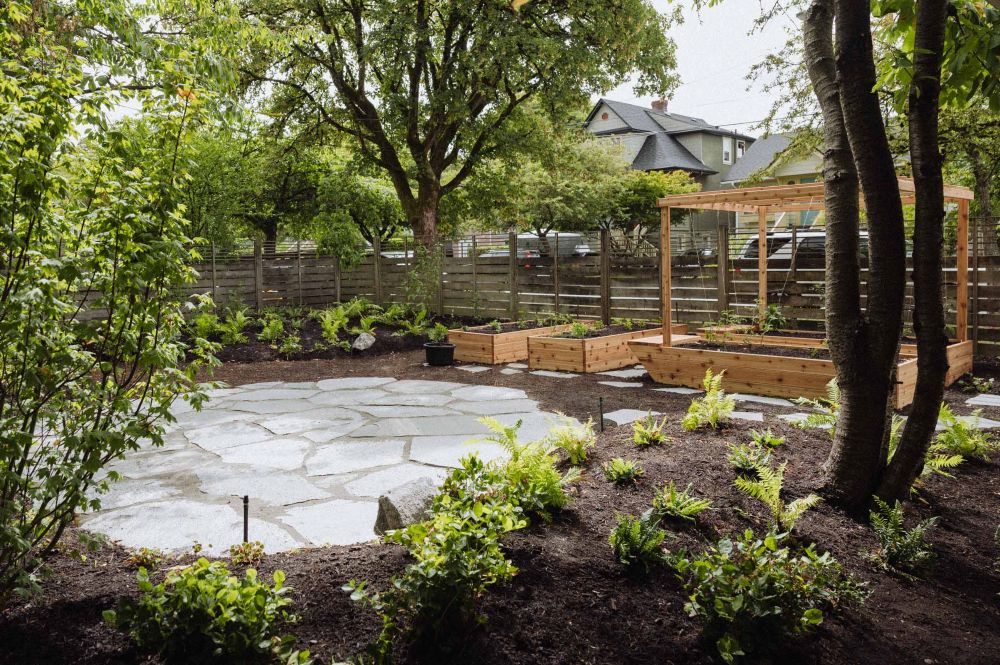
The best question might be, how can I make my yard more ecologically productive? The answer would be a holistic approach with raised garden beds, native perennial plants and trees, pollinator plants, with consideration of site specifics, such as soil health, light levels, etc., to ensure the landscape will thrive in the environment.
What is the best part about what you do? What is the worst part?
The best part is seeing a landscape transform and going through the process from design to installation, and then maintaining client relationships.
The worst part? I’m not sure there is a “worst part”. My business partners and I have discovered our strengths and weaknesses from having to wear many hats as we grow, and take care of tasks we wouldn’t have associated with what we dreamt of doing. As the business grows, I garden less, but still get in there, and get to interact with our clients in meaningful ways.
What is your favourite joke about your own profession?
I’m not sure if we have a joke – there are many garden puns out there, that’s for sure. We like to say, “We look forward to growing with you!” One thing my colleague Jenna finds funny is when we get asked, “Do you garden when it’s raining?” Living in Vancouver, we would have to take the majority of the year off!
Where can we follow you?
PAY IT FORWARD: What is another local business that you love?
We love so many! The Acorn Restaurant is one local business we love and have had a longstanding relationship with.