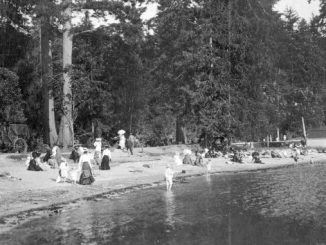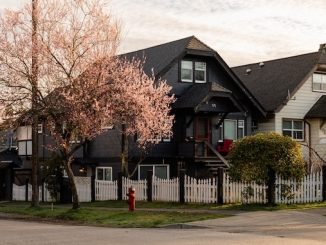
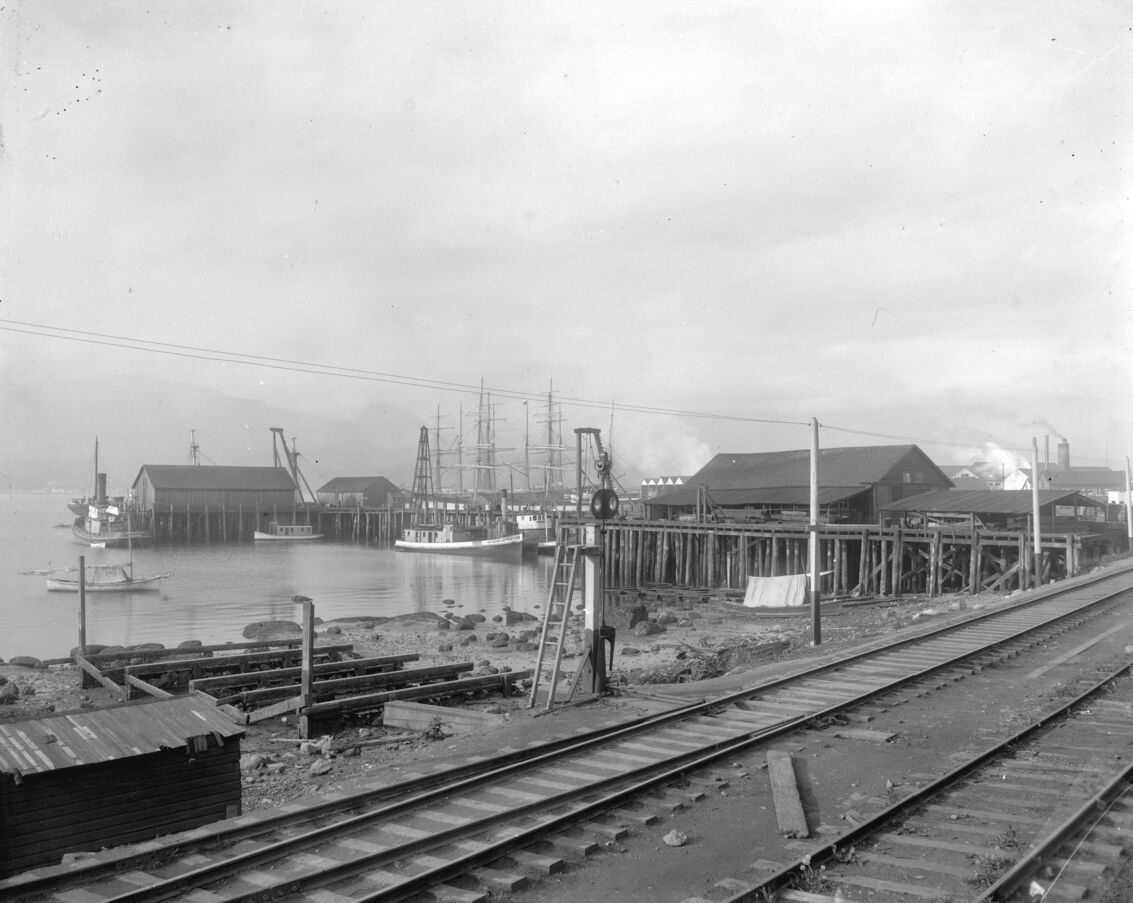
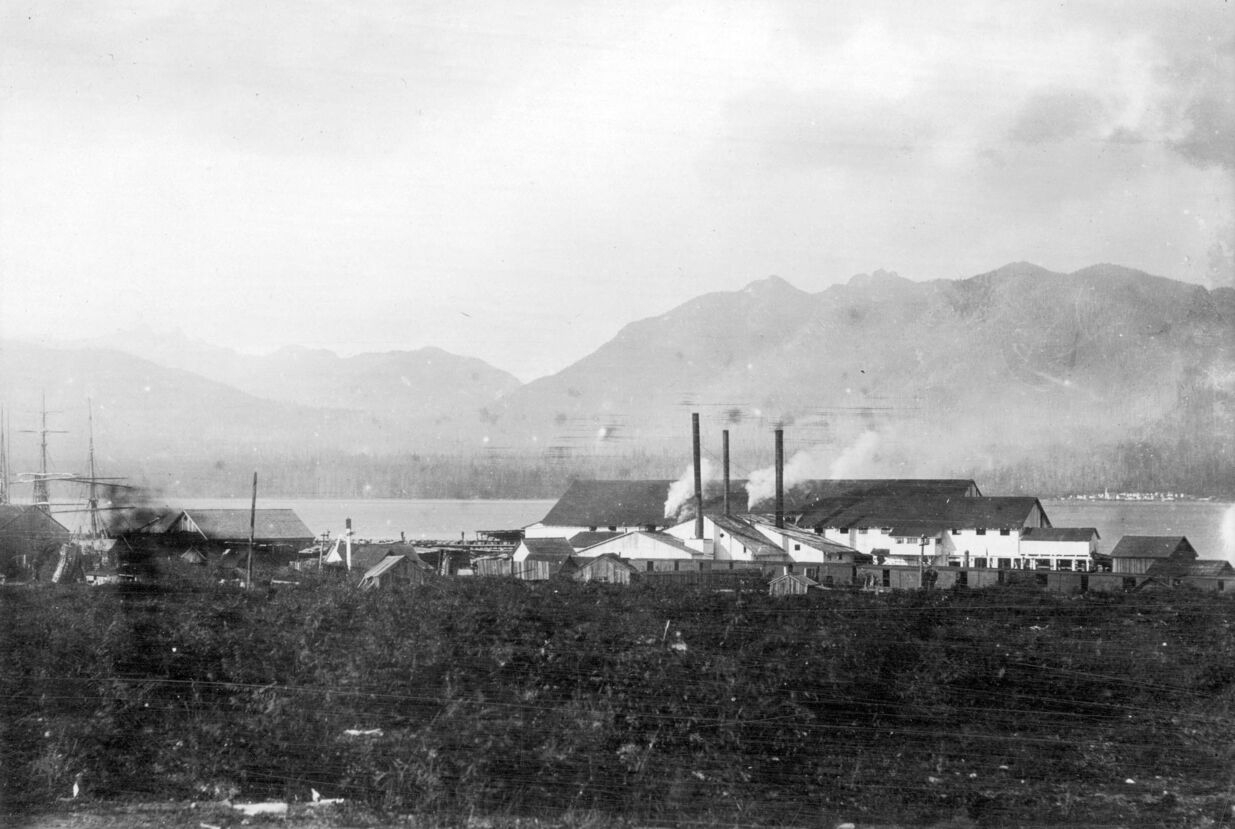
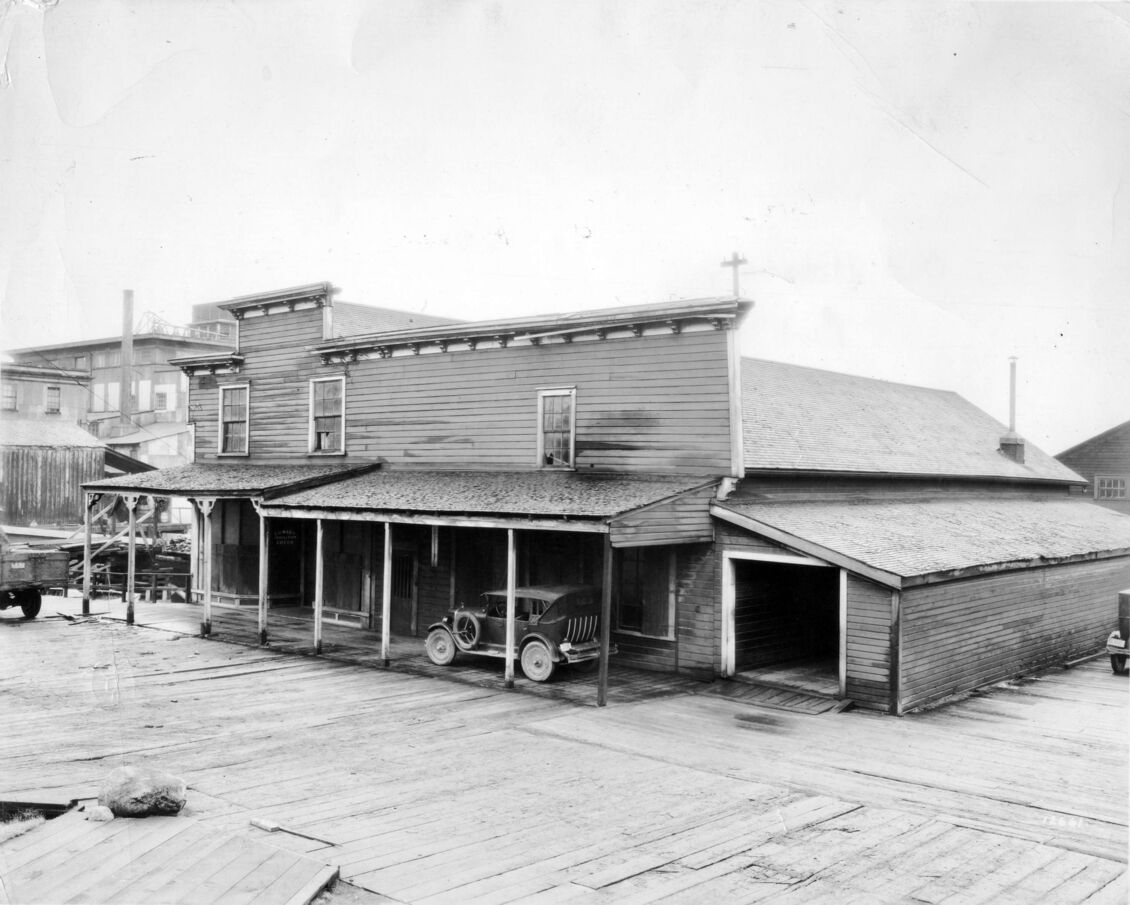
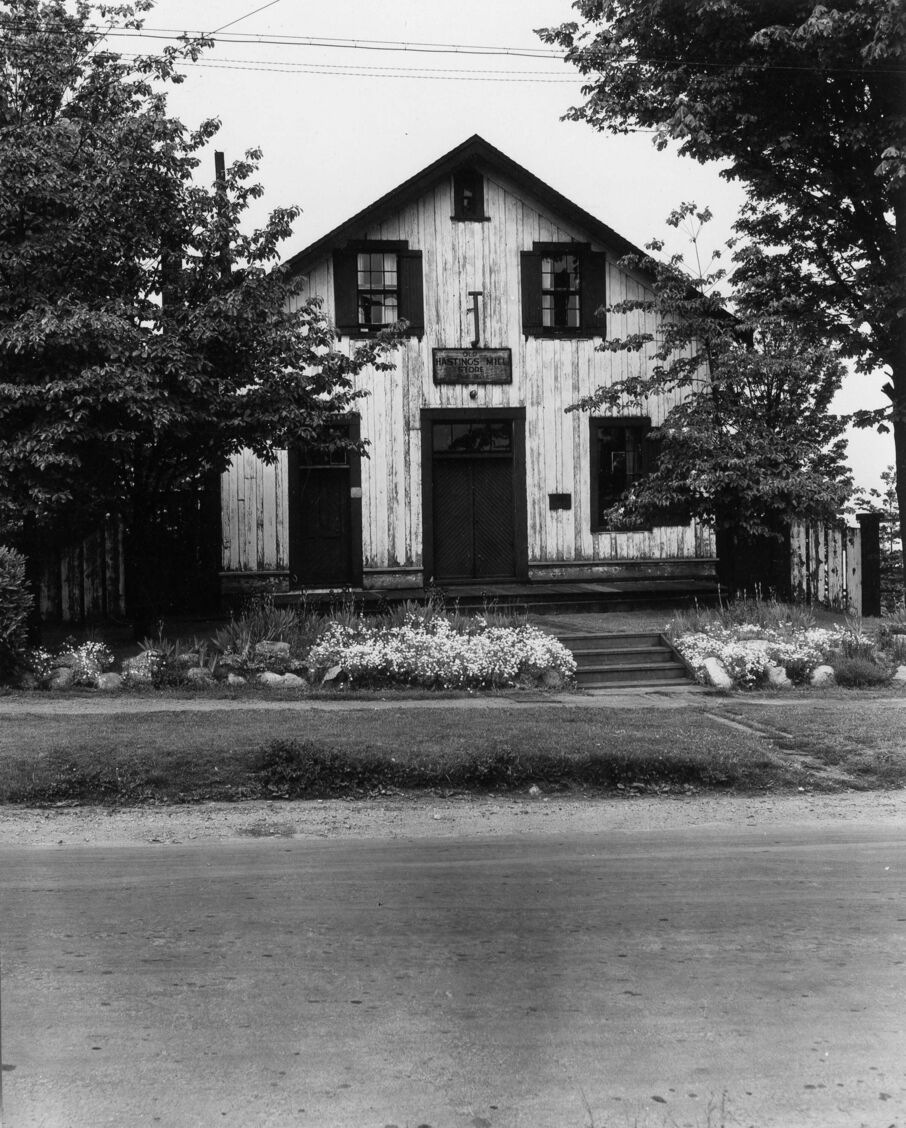
Long before Vancouver became a city, the shores of Burrard Inlet were home to thriving Indigenous communities. In the mid-19th century, this coastline would become the site of one of the region’s earliest industrial ventures: Hastings Mill, established in 1865. Built by Captain Edward Stamp, the mill quickly became the economic heart of a small but growing settlement, drawing workers, supplies, and trade from across the Pacific.
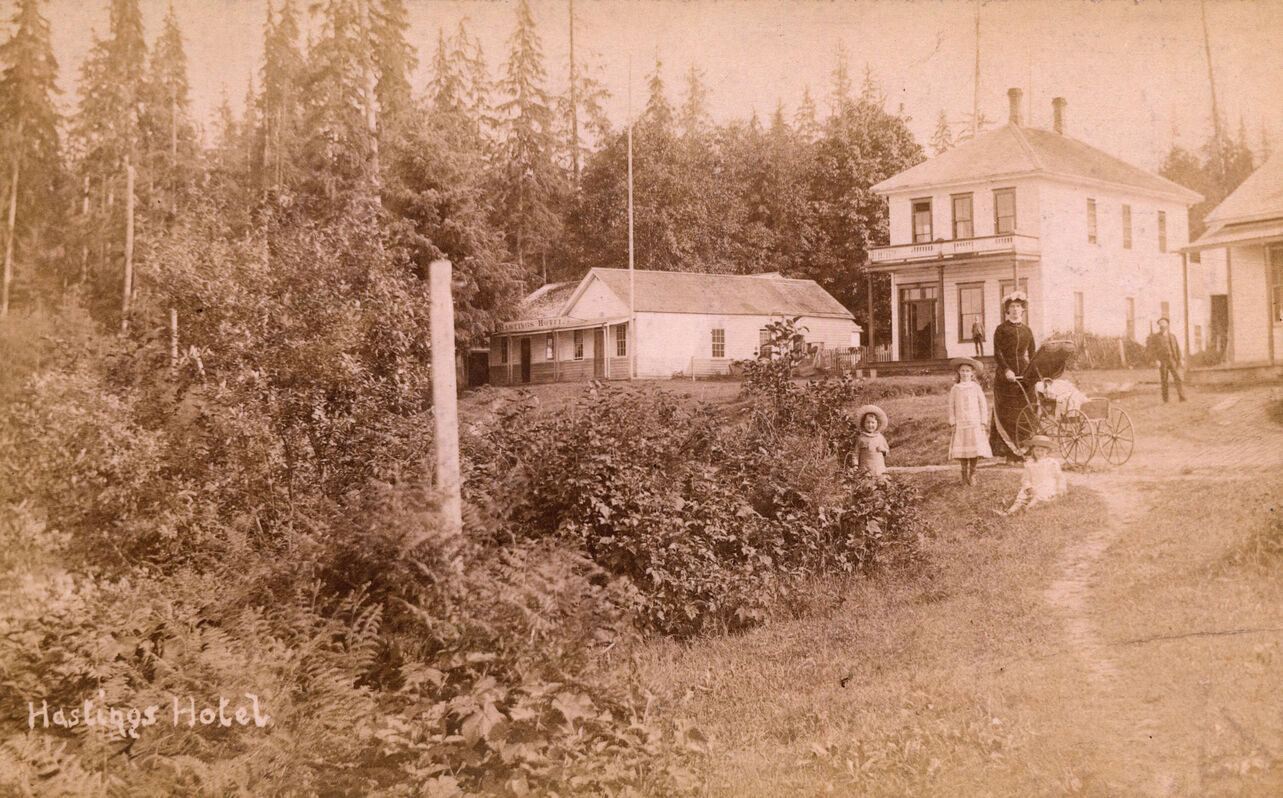
Around the mill, a community began to take shape, complete with one of the earliest stores, docks, and services that supported loggers and settlers. This area, known as Hastings Mill and later Hastings Townsite, was effectively the birthplace of Vancouver’s early economy.
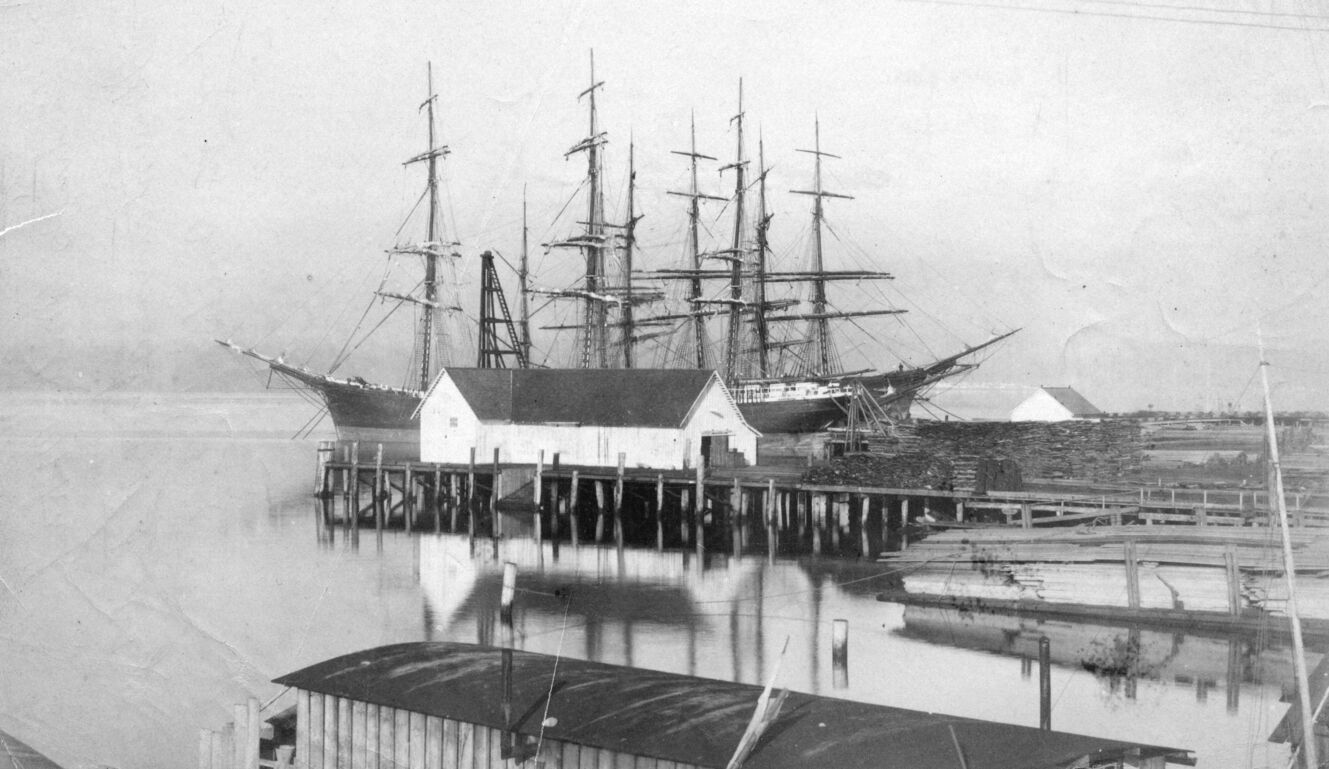
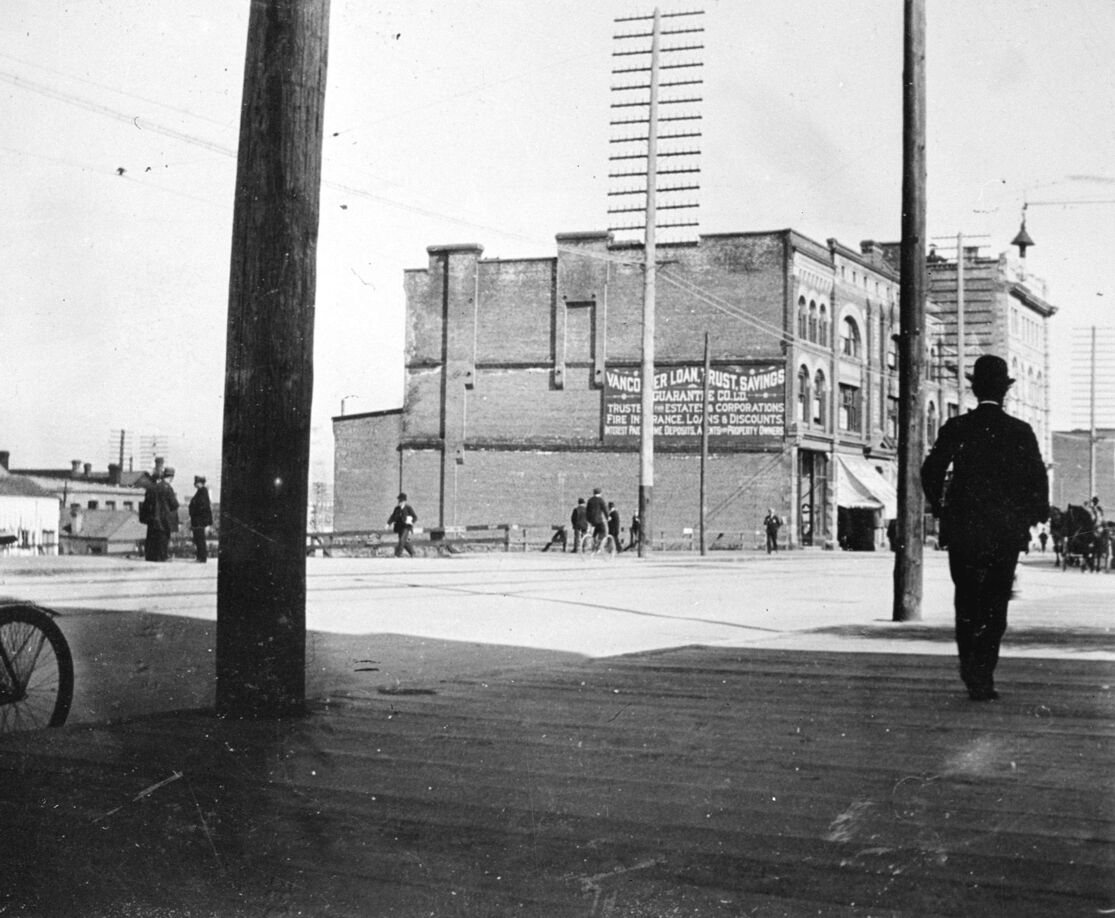
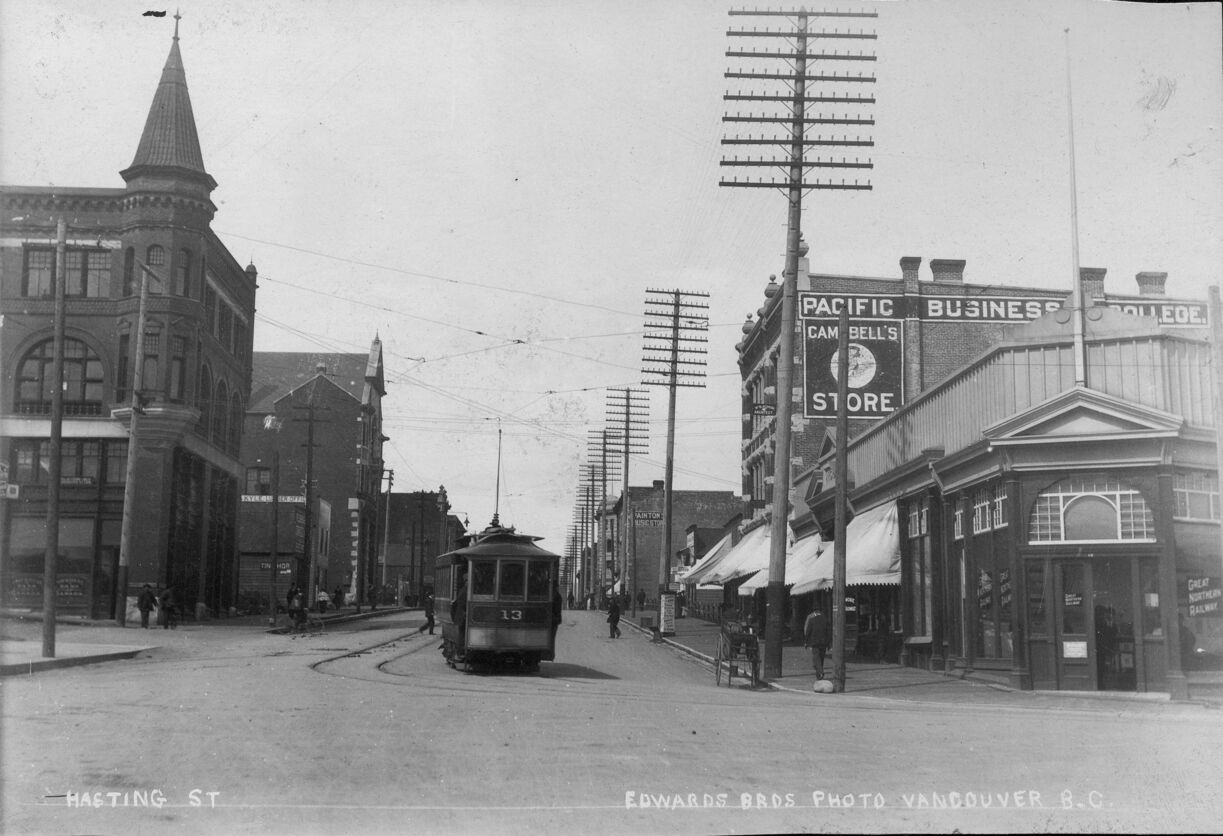
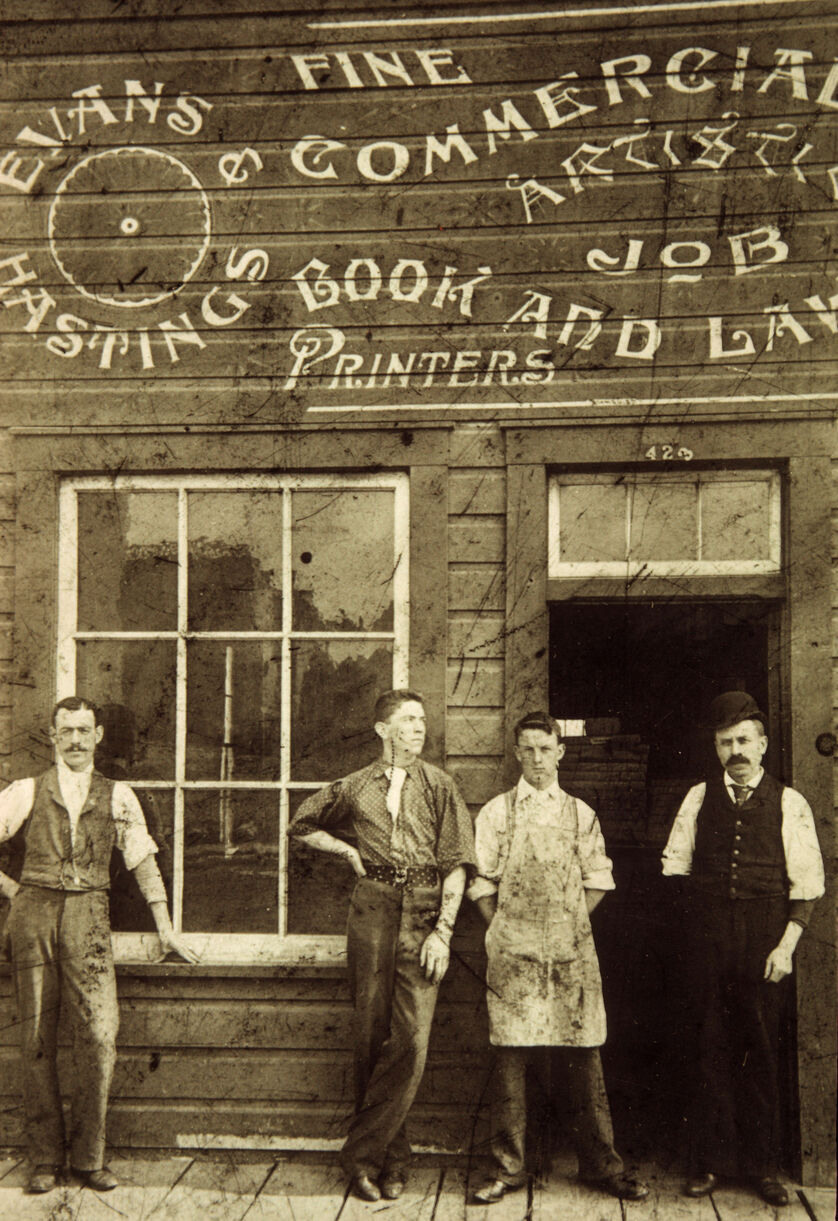
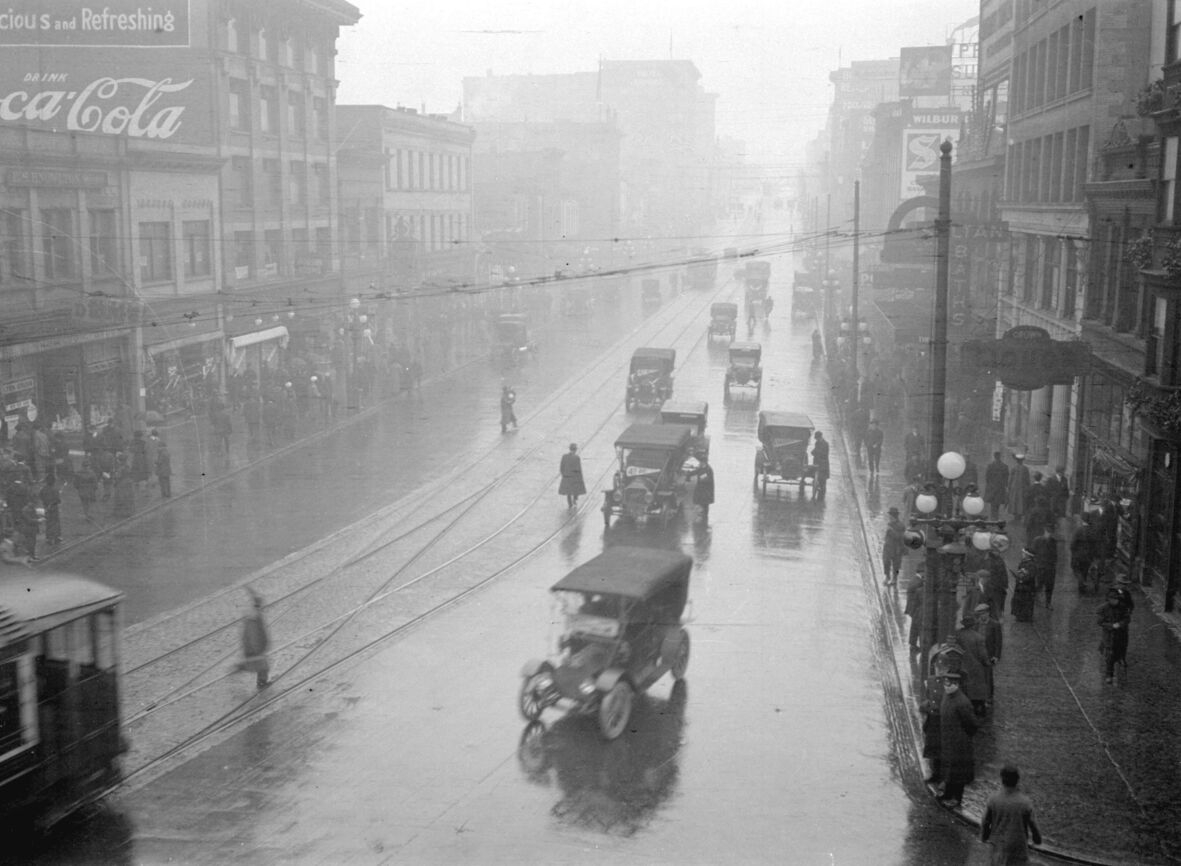
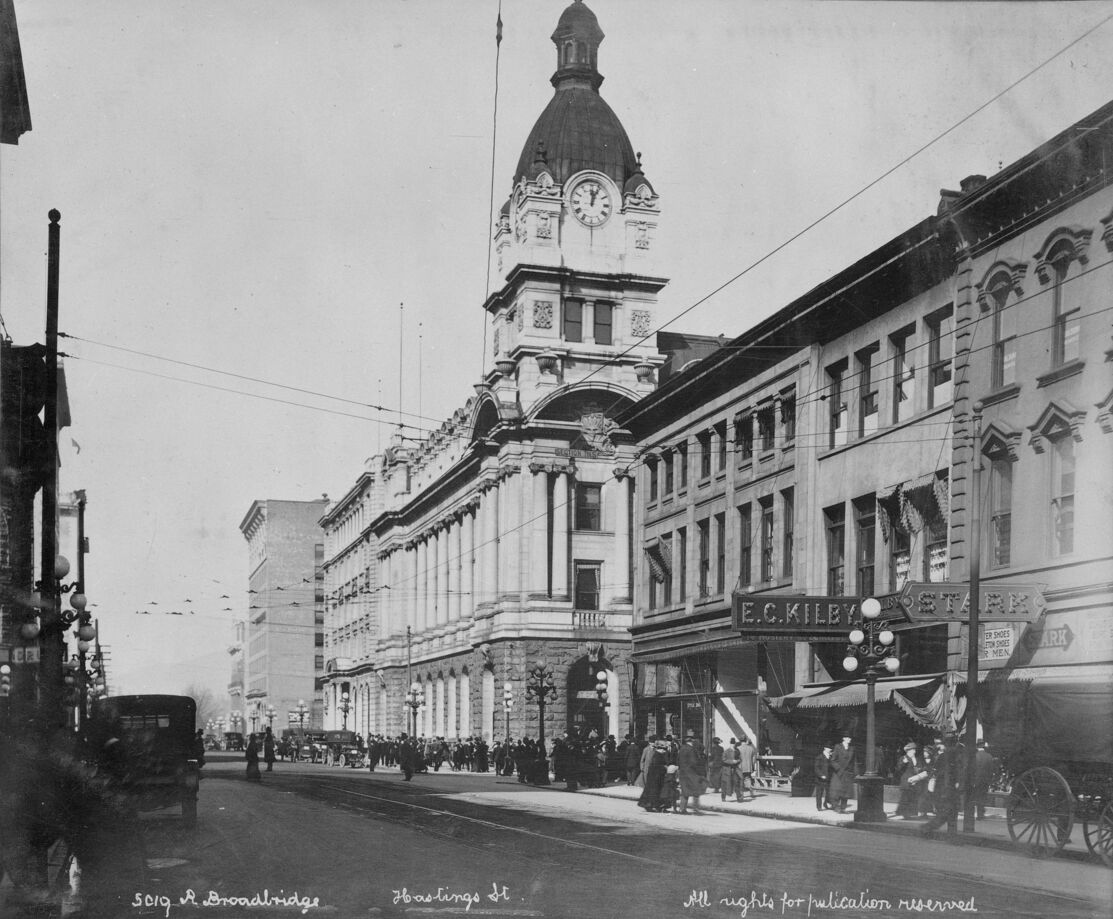
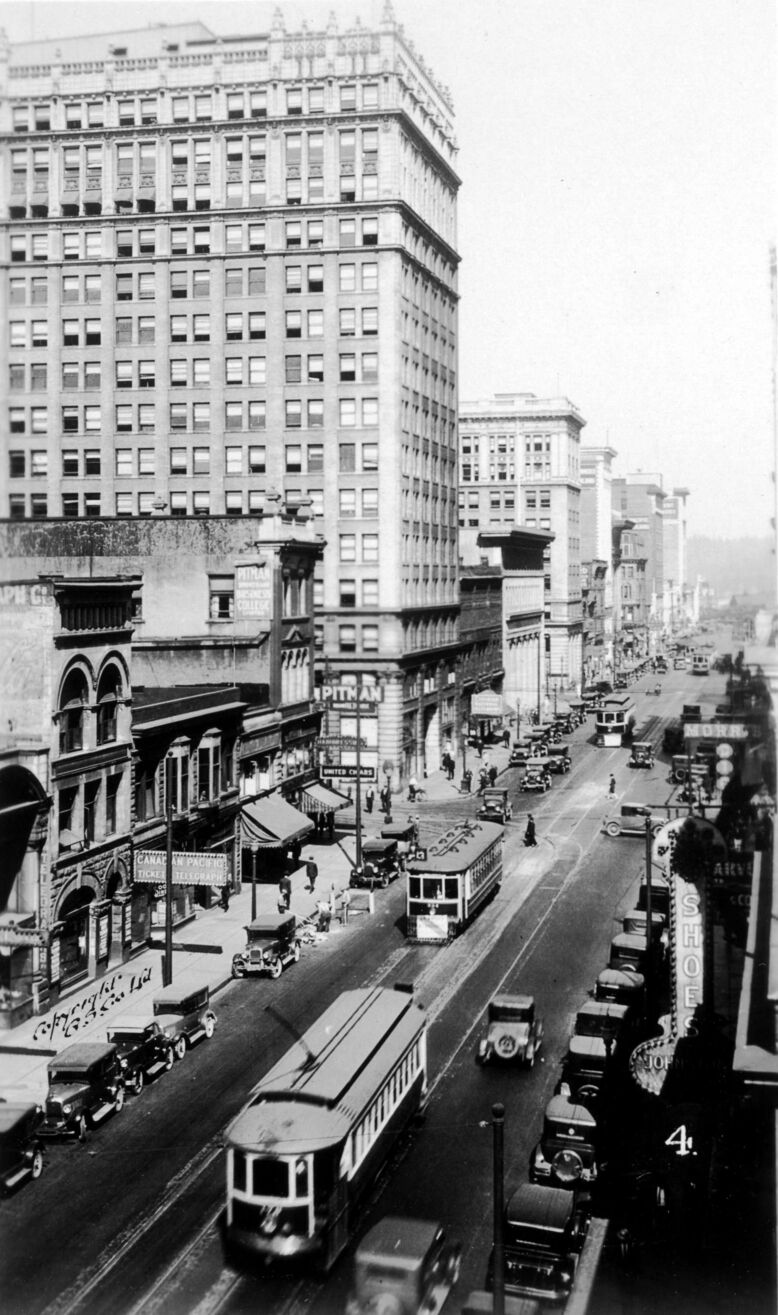
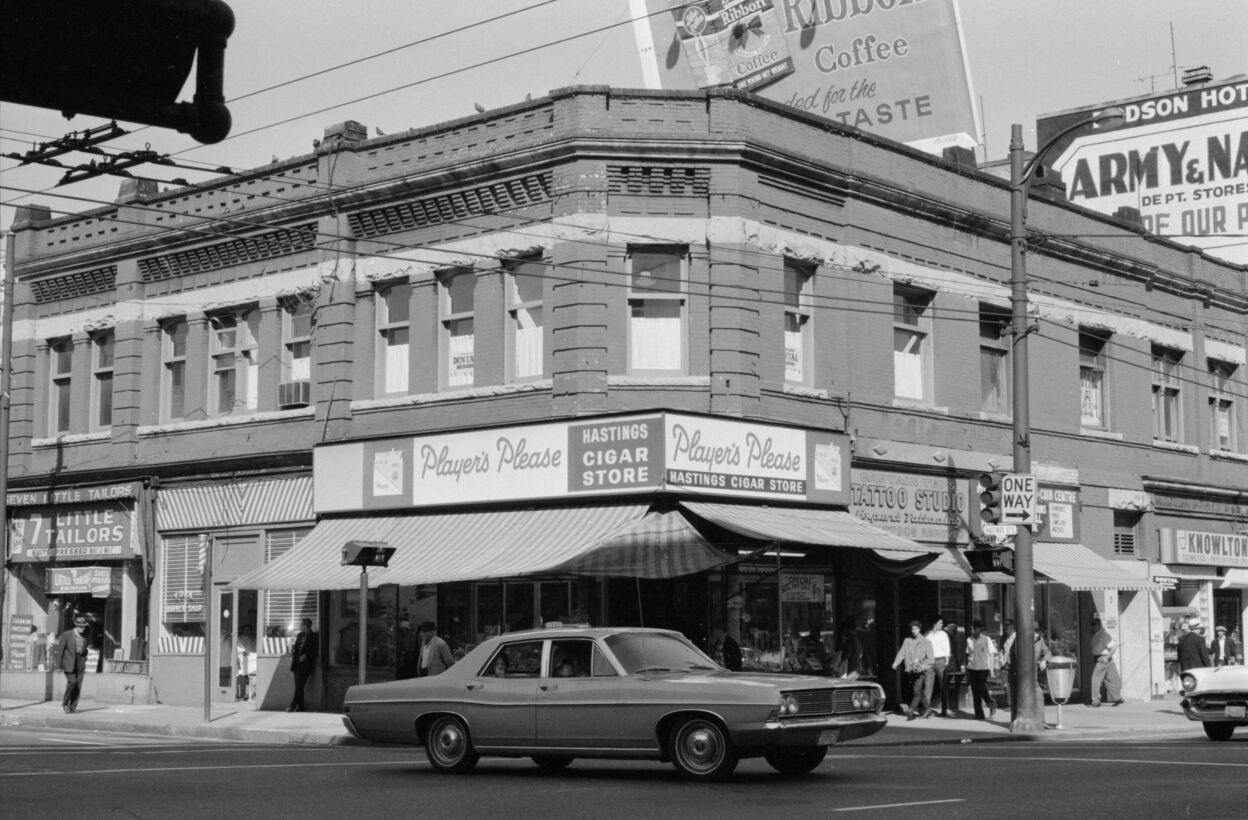
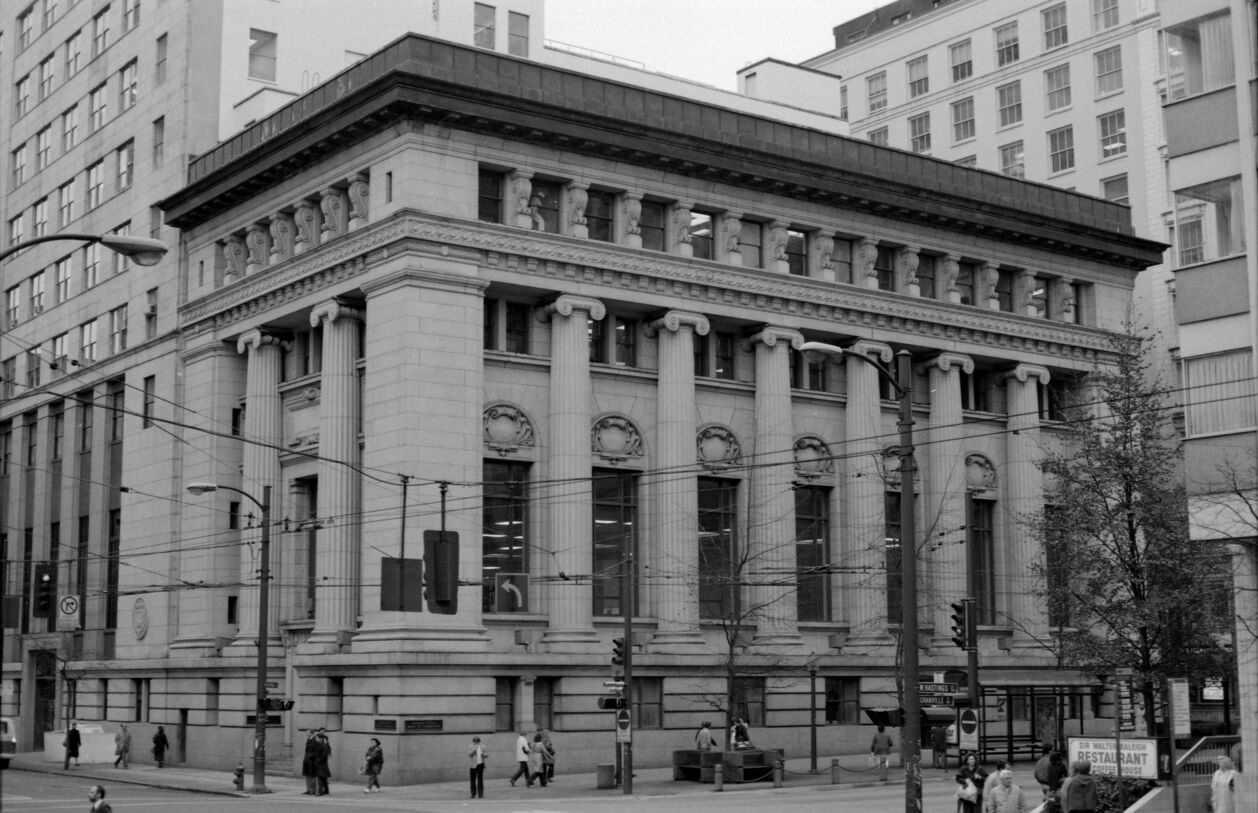
By the late 1800s, the character of Hastings began to shift. Just east of the mill, the seaside resort of New Brighton attracted visitors from nearby New Westminster, offering a hotel, beach access, and leisure activities. The area gained a reputation as both a working industrial hub and a popular getaway. At the same time, Hastings Street emerged as one of Vancouver’s earliest and most important corridors. Running close to the waterfront, it connected ships, railways, and businesses, quickly becoming a centre of commerce and daily life.
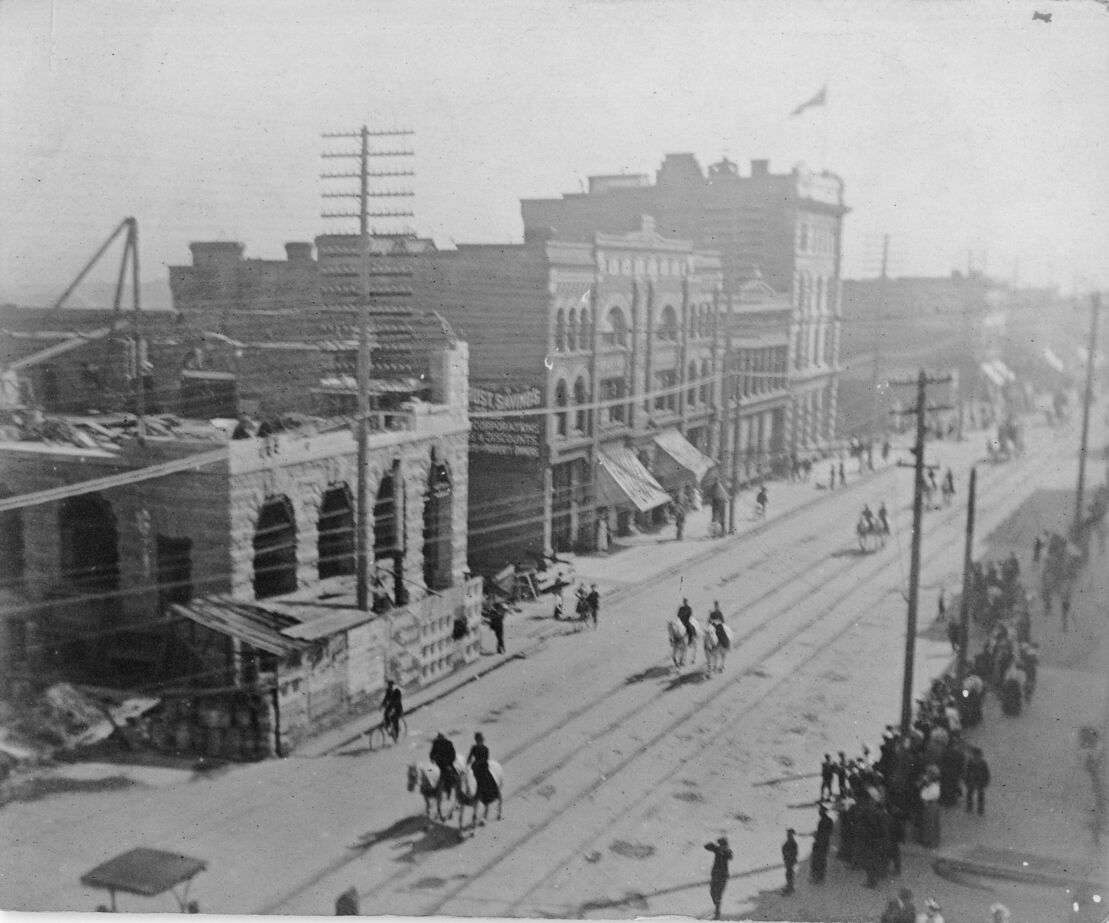
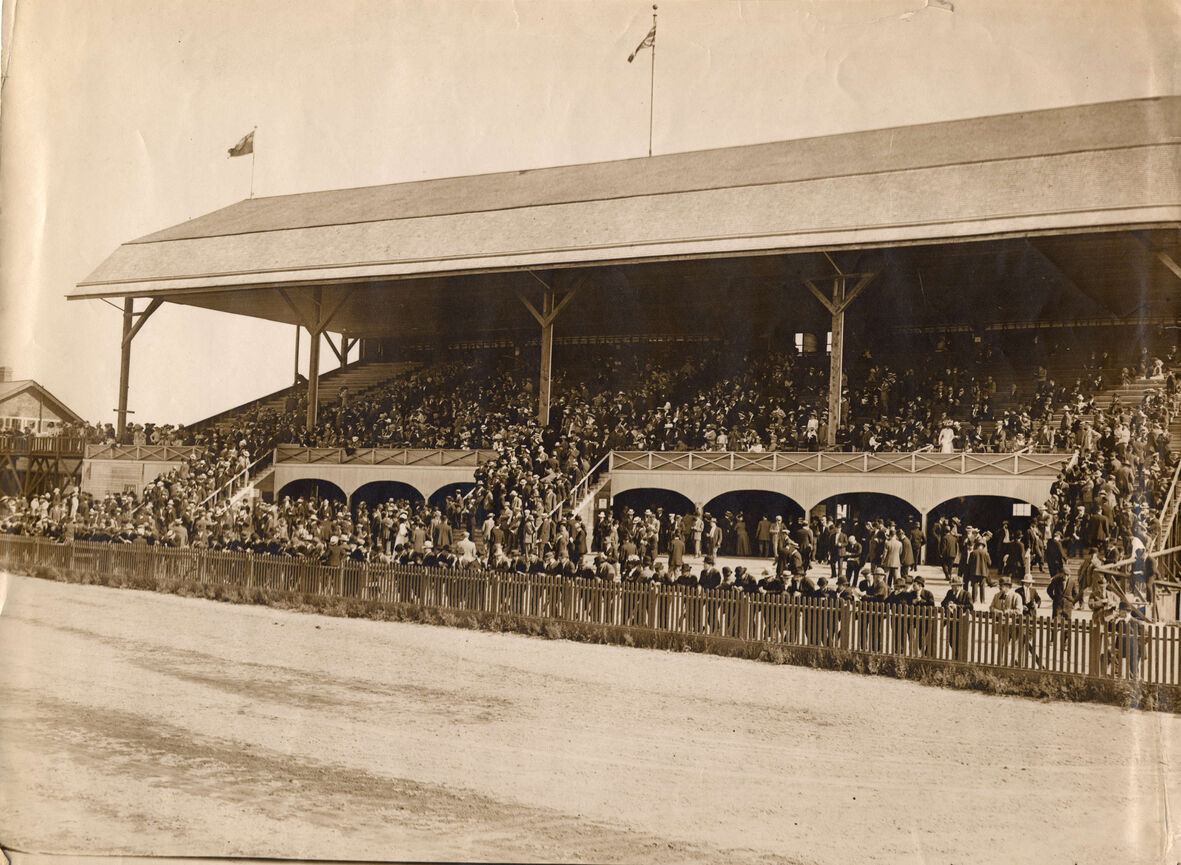
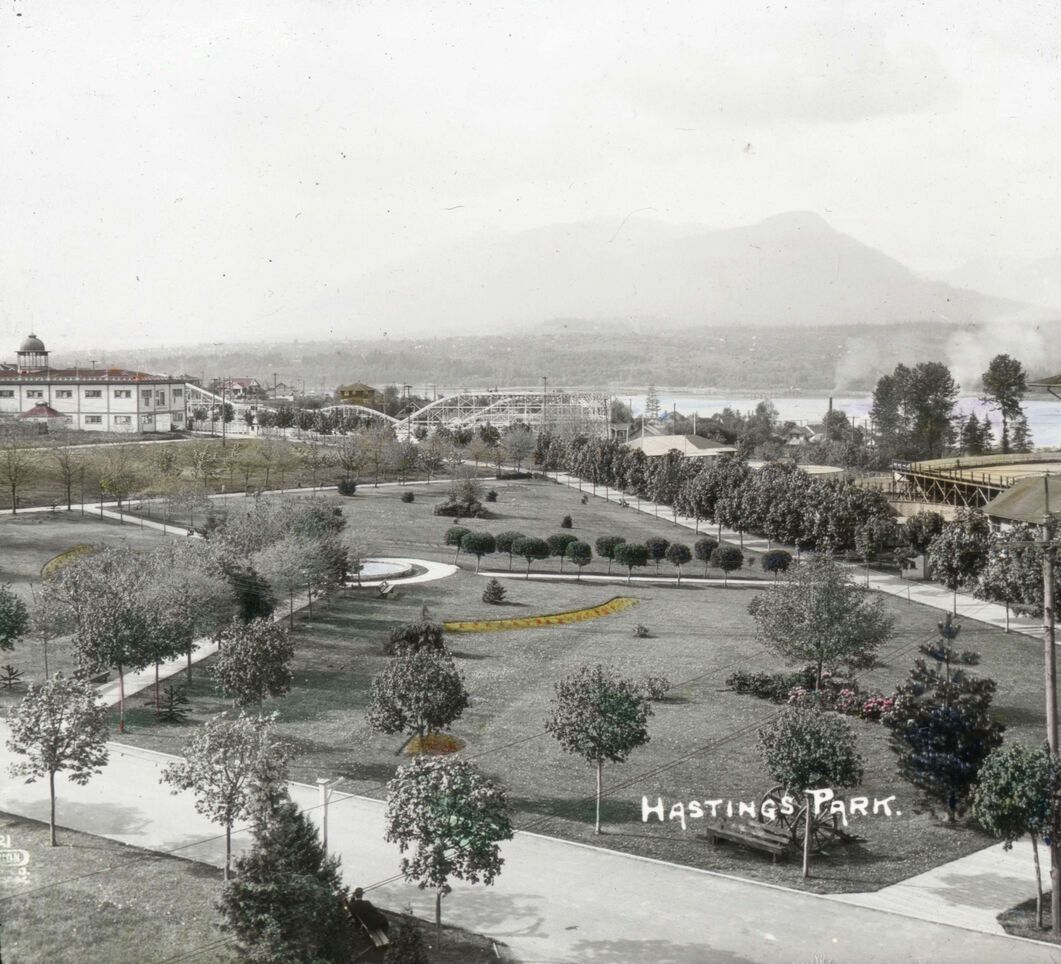
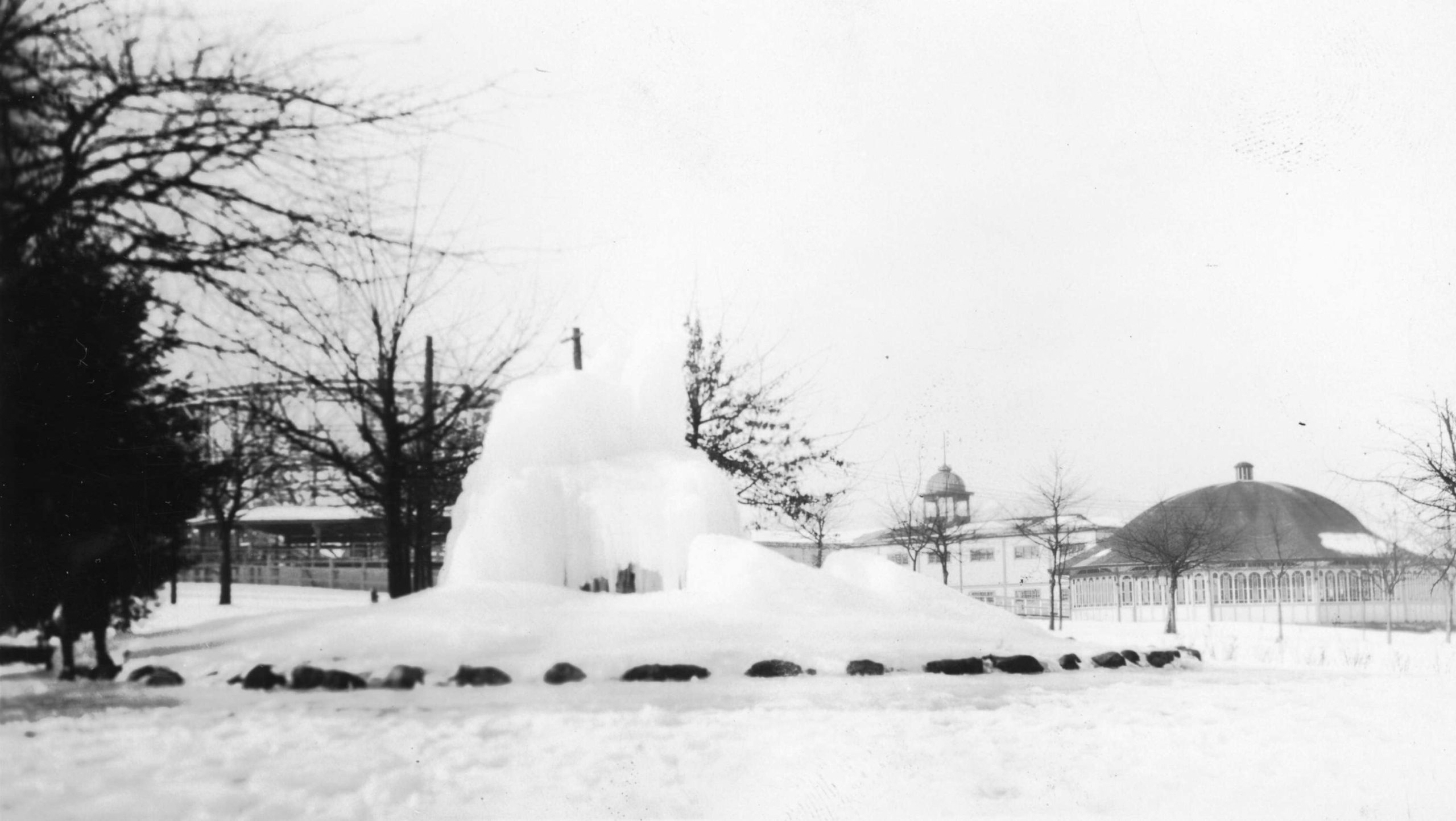
The early 20th century brought rapid growth. Hastings Townsite officially joined the City of Vancouver in 1911, and residential neighbourhoods began to spread inland. Community events also became central to the area’s identity, most notably the exhibitions and agricultural fairs held at Hastings Park, which would eventually evolve into the Pacific National Exhibition.
Hastings Park itself became a focal point for recreation and gathering, hosting horse racing, fairs, and amusement attractions like Playland. However, it also holds a more difficult history: during the Second World War, the park was used as a temporary holding site for thousands of Japanese Canadians before their forced internment.
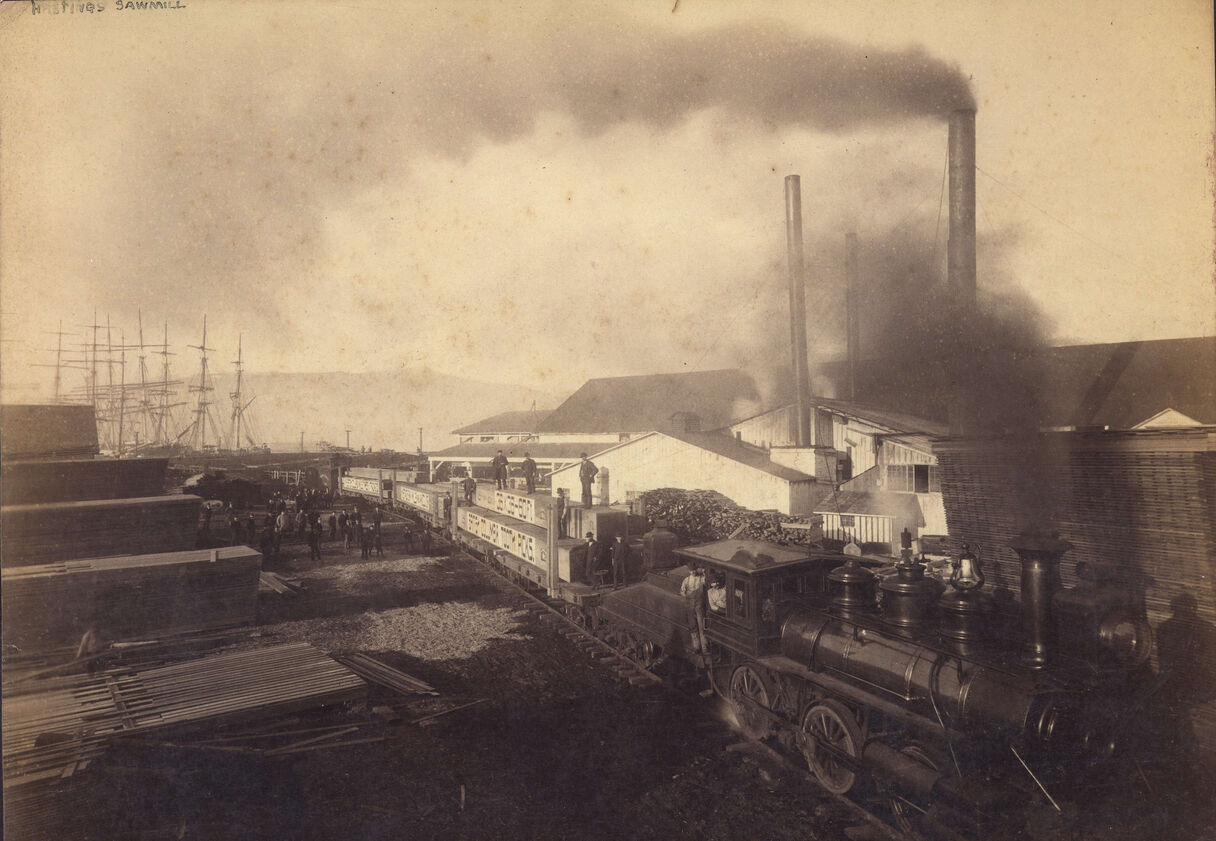
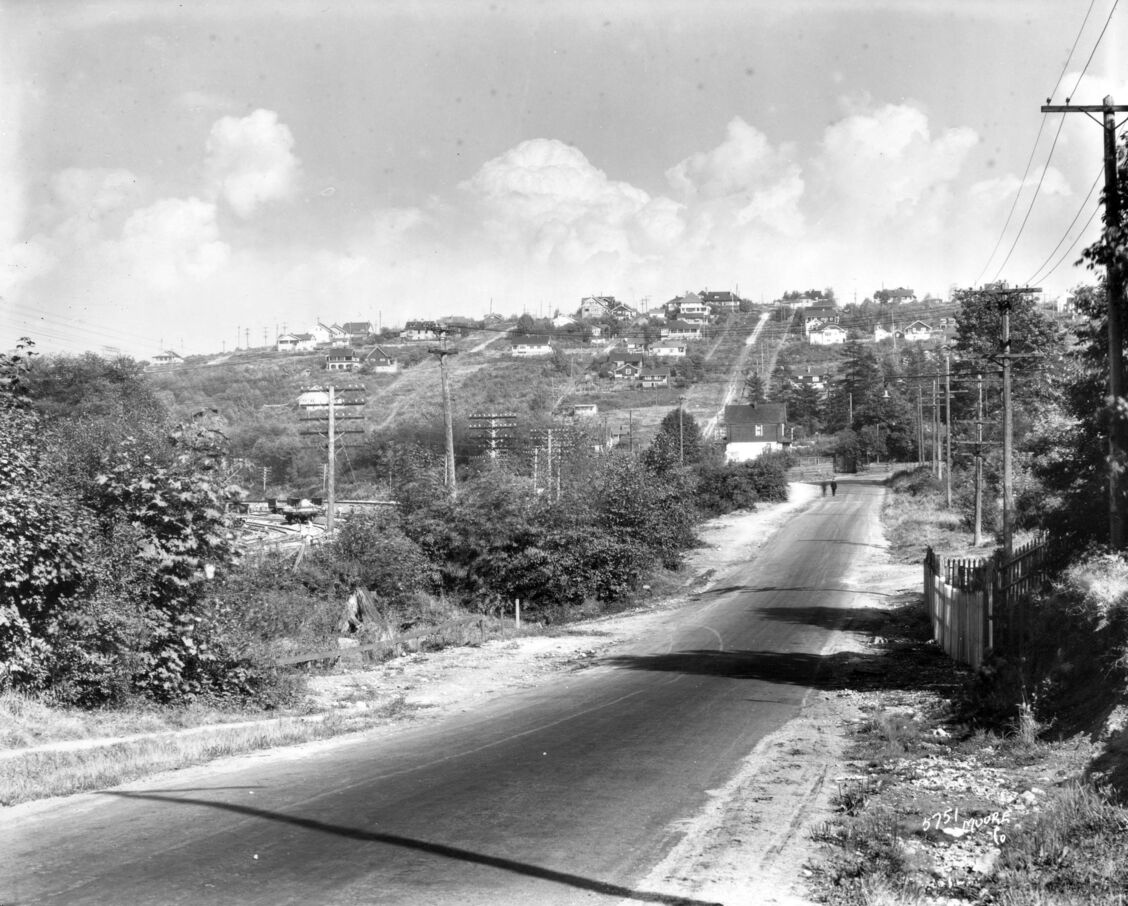
Through the mid-20th century, the Hastings area continued to evolve, transitioning from its industrial and resort roots into a diverse urban community. Today, Hastings, which stretches from the historic waterfront through neighbourhoods like Hastings-Sunrise, reflects layers of Vancouver’s past, from its earliest industries to its modern cultural and residential life.
For similar collections, please see my previous posts, including Old Photographs from Mount Pleasant, Old Photographs from Granville Island, Old Photographs of Coal Harbour, and Old Photographs from Kitsilano.
The photos above were collected from the City of Vancouver Archives. If you’re interested, additional information can be found for each photograph on their website. Stay tuned for additional posts featuring historical photos from Vancouver, British Columbia, and across Western Canada. We’d love to know what you think in the comment section below.