Working to strengthen community safety and prevention for Indigenous youth and families requires more than crisis response — it takes culturally grounded, community-led systems of care that are built for long-term healing. Through the WAGE II and WAGE III projects, Anna Ratzlaff, Policy Analyst and Manager, has been helping to address gaps in coordinated supports around gender-based violence by turning community voices into actionable frameworks, training, and leadership pathways. Since joining the work in November 2025, Ratzlaff has focused on building trauma-informed, culturally safe approaches that empower youth, strengthen collaboration, and shift the focus from reacting to harm toward preventing it. We spoke with her about the impact of these projects so far, what still needs to be done, and how readers can support this vital work.
Describe your charity/non-profit/volunteer work in a few sentences.
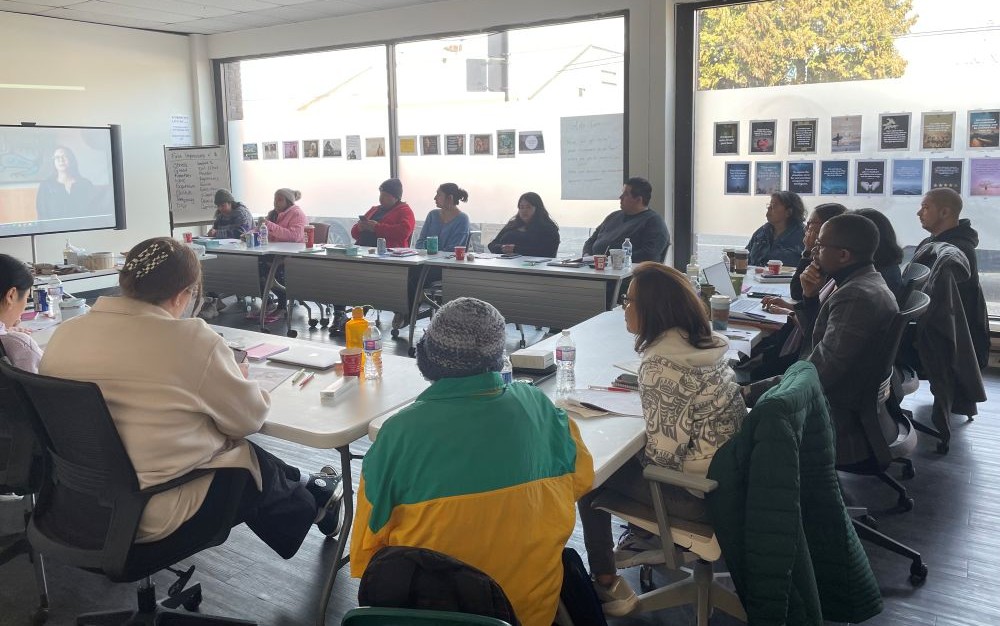
The WAGE II and WAGE III projects have together strengthened community understanding and response to gender-based violence. WAGE II engaged multiple community members through research, consultations, and check-ins, identifying gaps, priorities, and actionable solutions that reflect real community needs. Building on this foundation, WAGE III has developed a certificate program directly informed by the WAGE II action plan, providing participants with practical skills, knowledge, and leadership tools while supporting long-lasting systemic change. Together, these projects have enhanced collaboration, informed program and policy development, and contributed to sustainable, culturally grounded approaches to community safety and well-being.
What problem does it aim to solve?
It aims to address the lack of coordinated, culturally safe, and prevention-focused supports for Indigenous youth, families, and community members experiencing or at risk of violence. Too often, people are left navigating fragmented systems without clear guidance, while programs are forced to respond to crises rather than prevent harm. The work focuses on closing those gaps by strengthening community safety planning, building trauma-informed and culturally grounded tools, and empowering youth and community members with knowledge, skills, and leadership pathways that support long-term healing and safety.
When did you start/join it?
Nov 2025
What made you want to get involved?
I wanted to get involved because I kept seeing the same gaps show up for Indigenous youth and families—especially around safety, violence prevention, and access to culturally grounded support. There was so much strength and knowledge in the community, but not enough space or structure for that to lead the work. Being involved felt like a way to help bridge that gap: to support youth leadership, strengthen culturally safe practices, and help turn community voices and lived experience into programs, policies, and tools that actually make a difference on the ground.
What was the situation like when you started?
When I started, the work was largely reactive. Supports existed, but they were fragmented, under-resourced, and often crisis-driven rather than prevention-focused. Indigenous youth and families were navigating complex systems with limited culturally safe guidance, and staff were carrying a heavy load without consistent tools, policies, or frameworks to lean on. There was strong commitment and care across the organization and community, but a clear gap between intention and capacity—highlighting the need for more coordinated, trauma-informed, and community-led approaches.
How has it changed since?
Since then, the work has become more intentional, coordinated, and grounded in prevention and healing rather than crisis response alone. There are clearer frameworks, stronger partnerships, and a greater emphasis on culturally safe and trauma-informed practice. Youth are more meaningfully involved in shaping programs, staff have better tools and shared language to rely on, and community safety planning is more proactive. Overall, the approach feels more connected, sustainable, and reflective of community strengths and priorities
What more needs to be done?
There’s still important work to be done to ensure lasting impact. More long-term funding is needed to sustain programs and expand access. Prevention-focused initiatives—especially youth-led and culturally grounded ones—need to grow so harm can be addressed before it escalates. Strengthening collaboration across sectors like housing, health, education, and justice is also critical, so people aren’t navigating systems alone. Finally, ongoing community engagement, accountability, and space for those with lived experience to guide the work are essential to keep programs responsive, respectful, and truly community-driven.
How can our readers help?
Readers can help by staying informed, listening to Indigenous voices, and supporting community-led initiatives in meaningful ways. This could include volunteering time or skills, sharing resources, advocating for sustained funding, or amplifying the work of Indigenous organizations. For those in positions of influence, supporting Indigenous leadership, investing in long-term solutions, and respecting cultural protocols can make a real difference. Even small, consistent actions rooted in respect and collaboration help build safer, stronger, and more connected communities.
PAY IT FORWARD: What is an awesome local charity that you love?
The Heart Tattoo Society