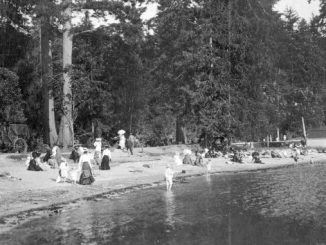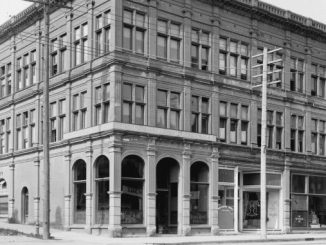
Few organizations have left a larger mark on British Columbia’s history than the Hudson’s Bay Company (HBC). From fur trading posts and steamships to department stores and delivery trucks, the company’s story is closely tied to the development of the province.
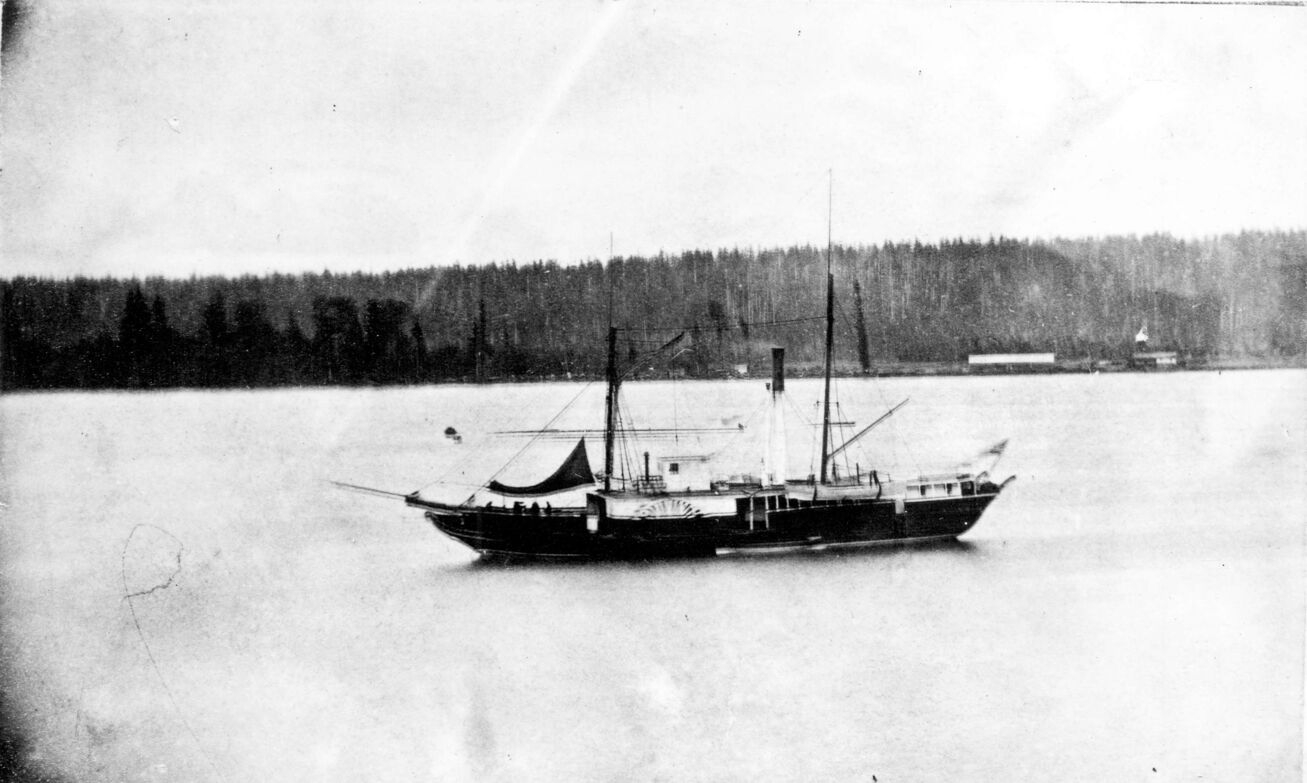
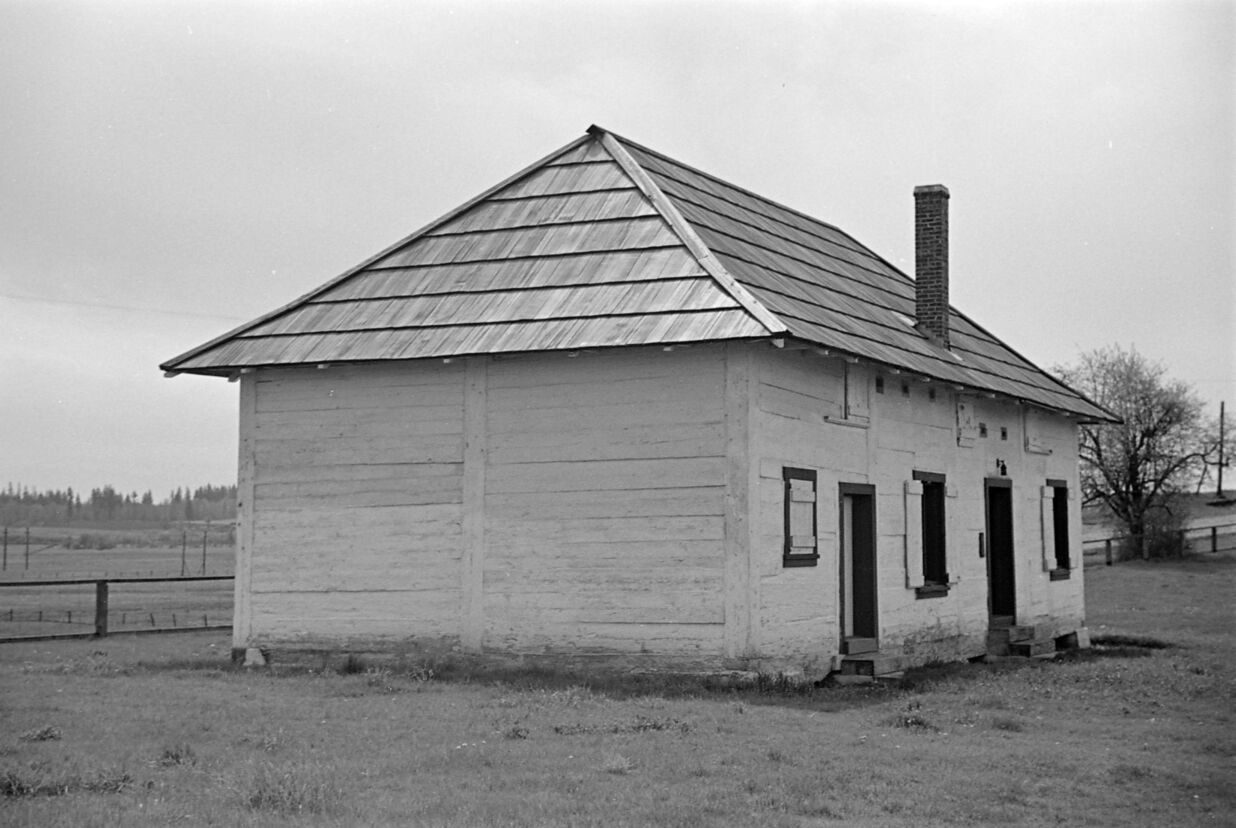
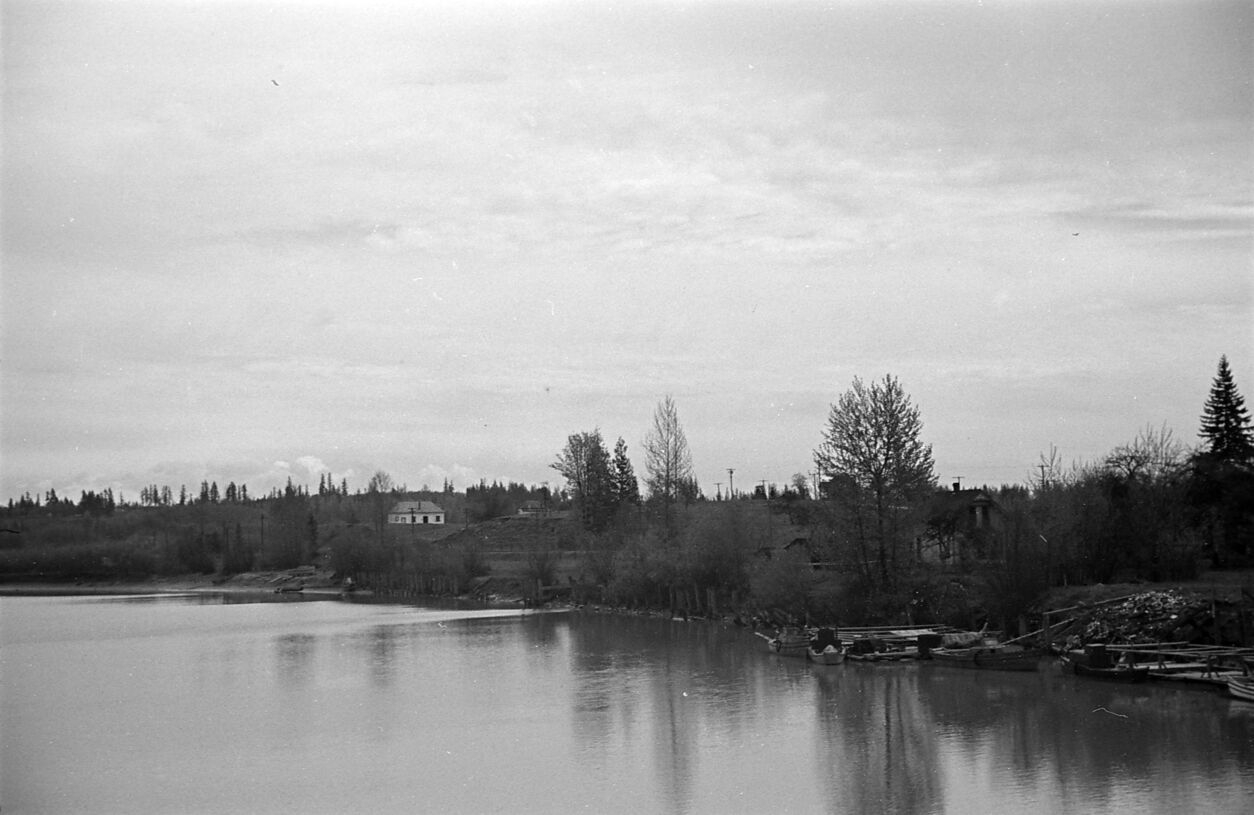
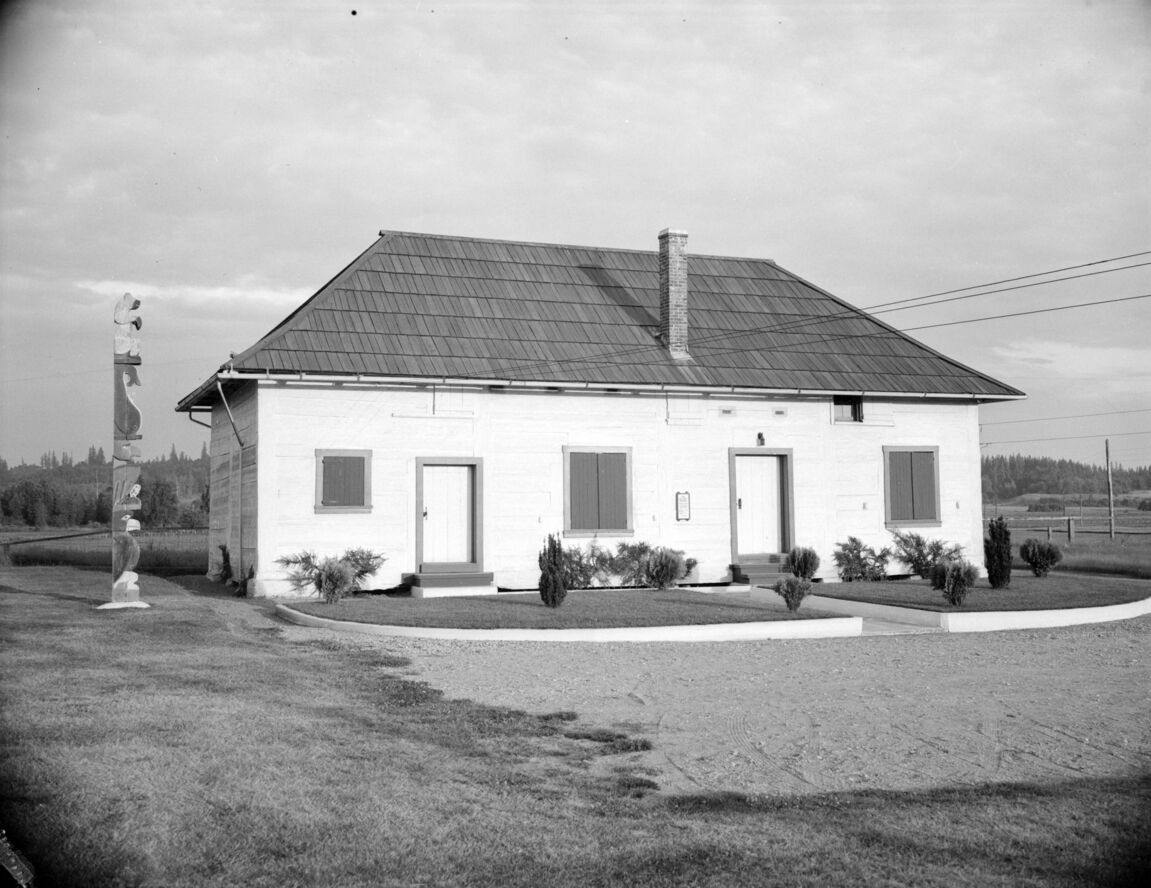
The HBC established Fort Langley in 1827 as a fur trading post on the Fraser River. Over time, it became an important centre for agriculture, salmon exports, and commerce, and played a key role during the Fraser River Gold Rush of 1858. On Vancouver Island, the company helped establish Nanaimo’s early economy through coal mining operations that supplied ships throughout the Pacific.
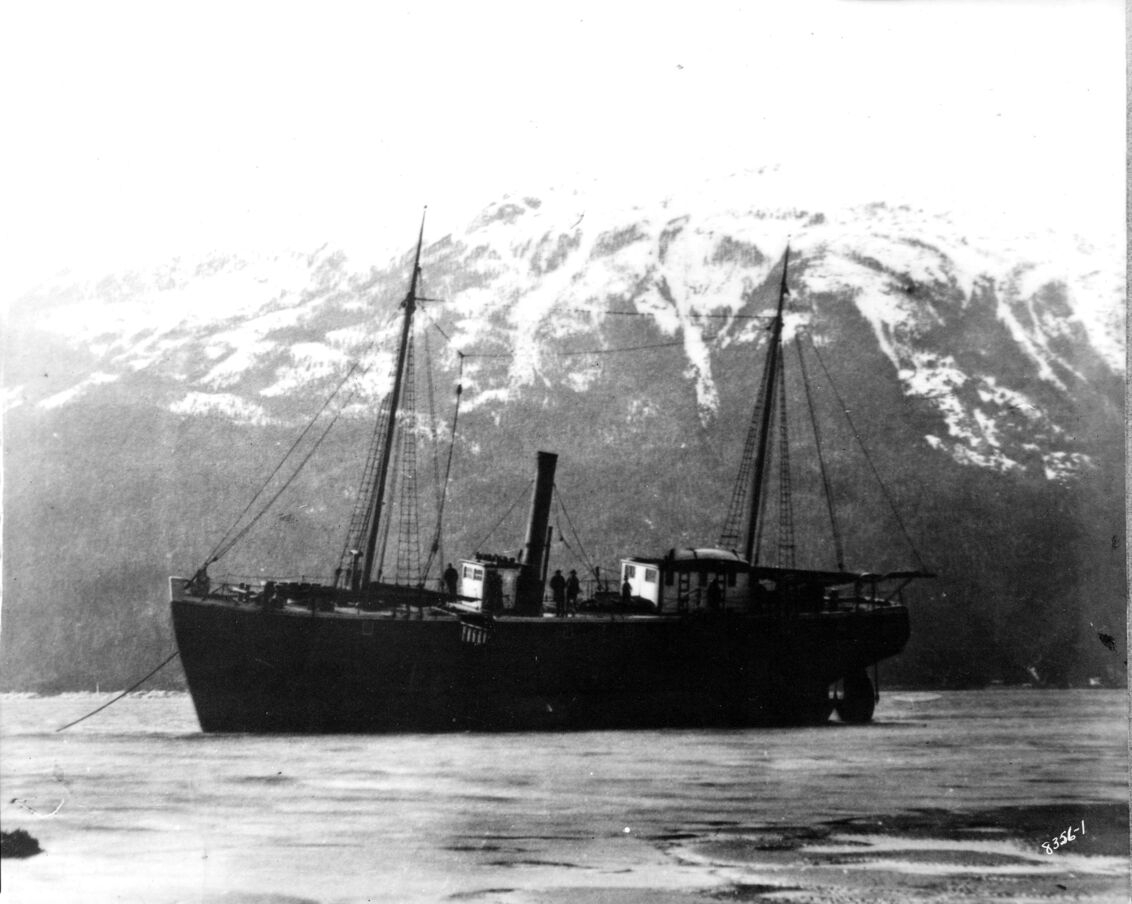
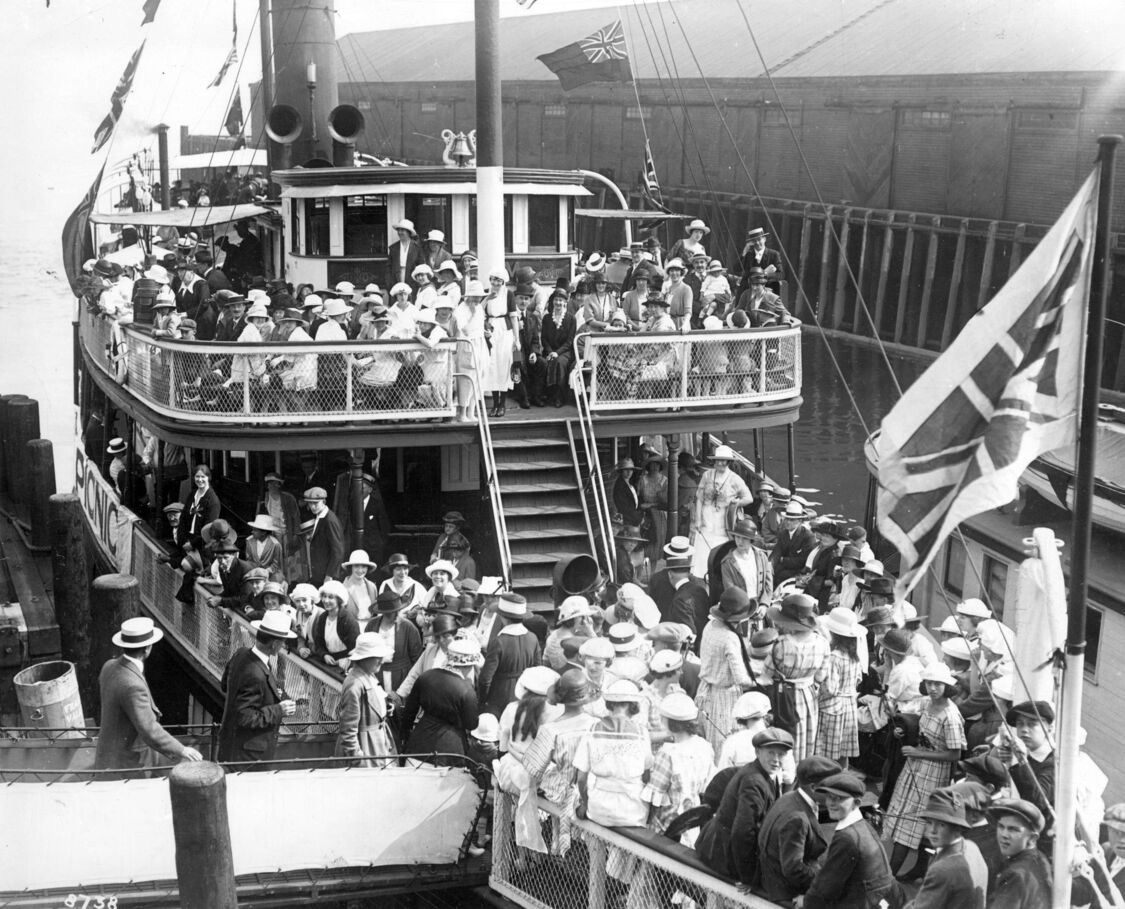
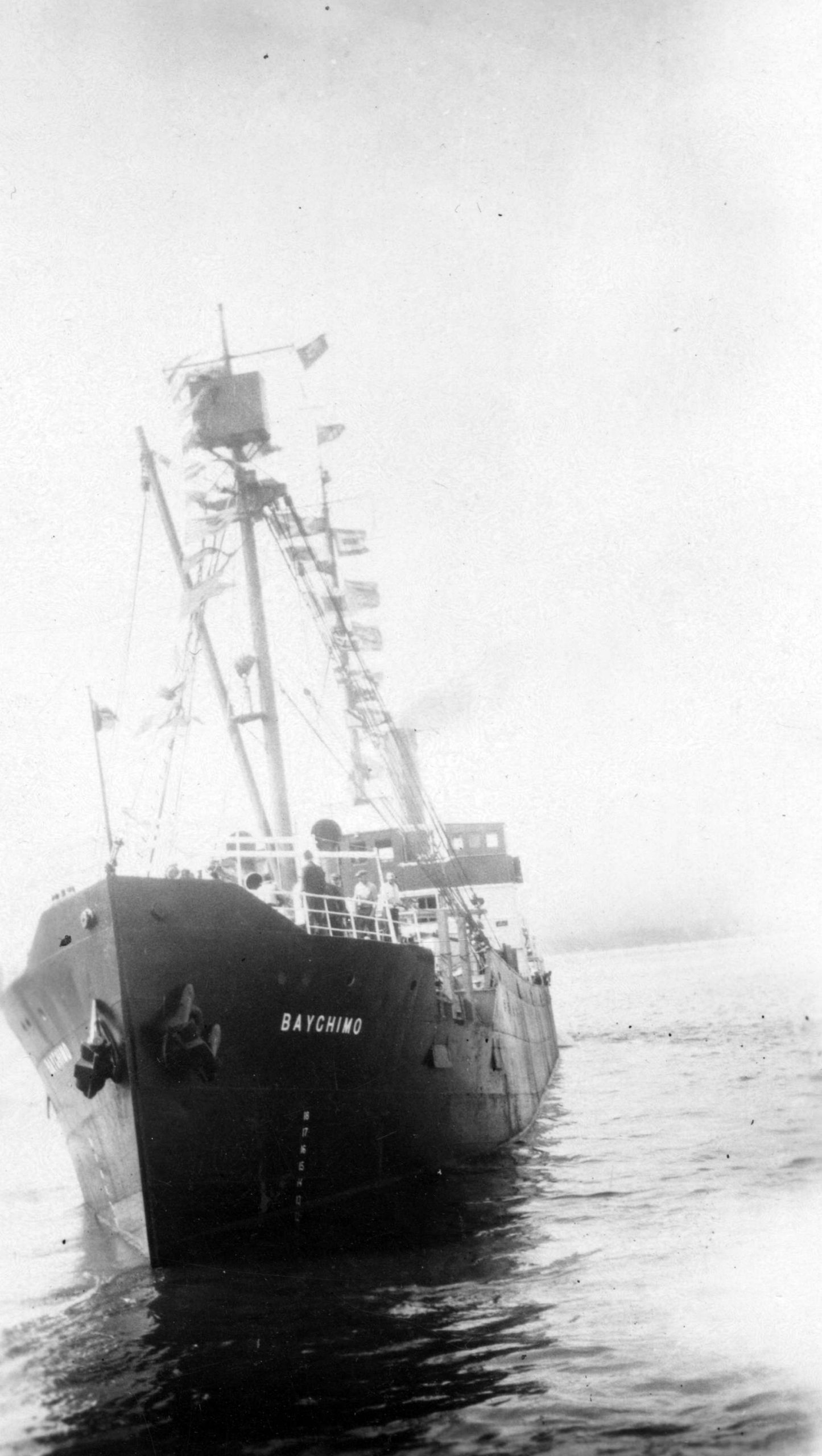
Transportation was vital to the company’s success. Vessels such as the Beaver, which was the first steamship to operate on the Pacific Coast of North America, and the Otter connected remote settlements, transported goods, and helped expand trade along the coast.
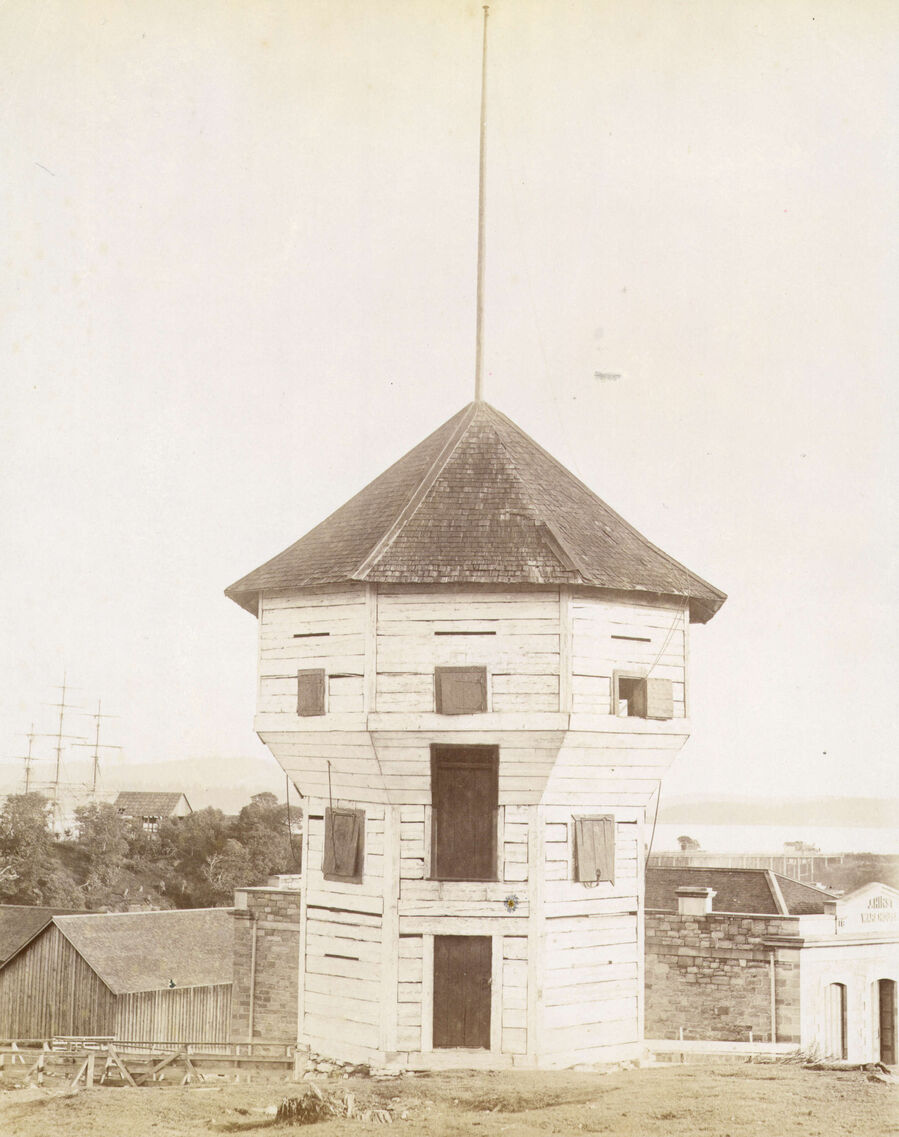
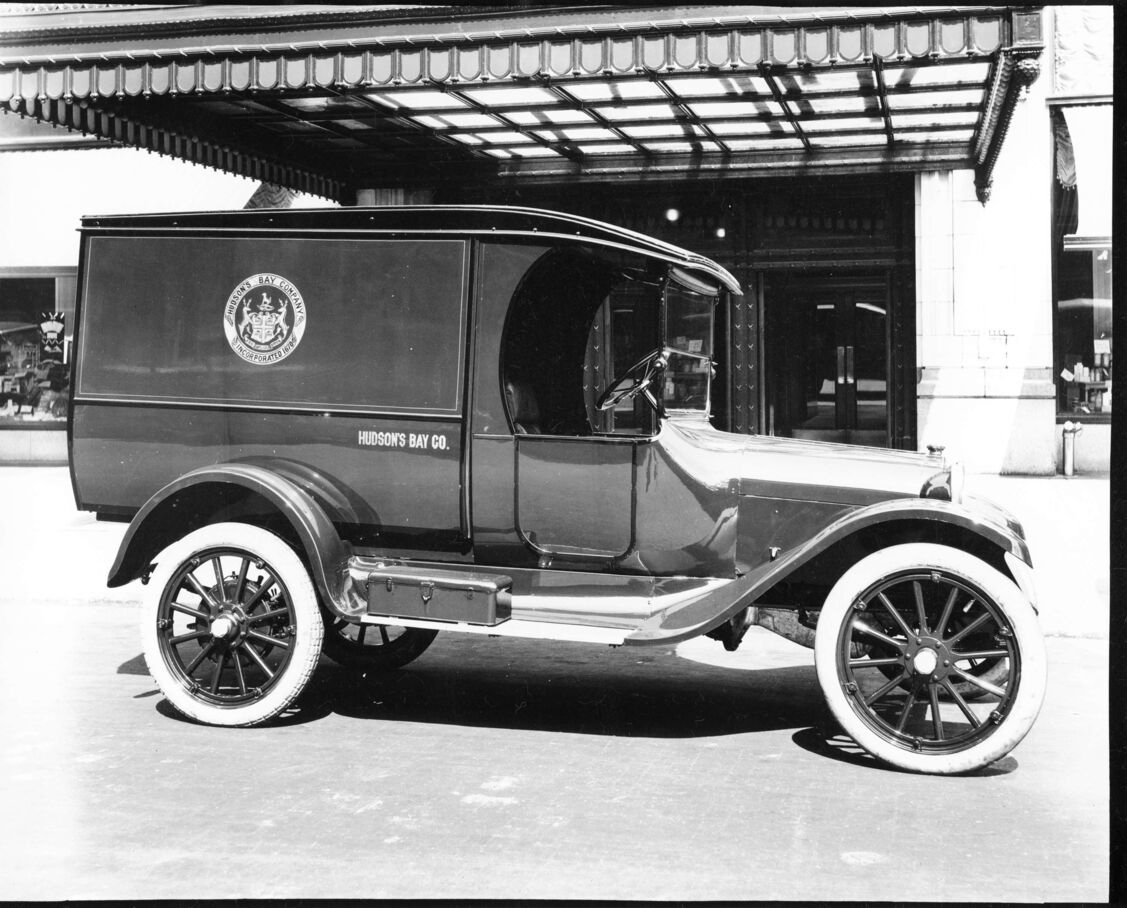
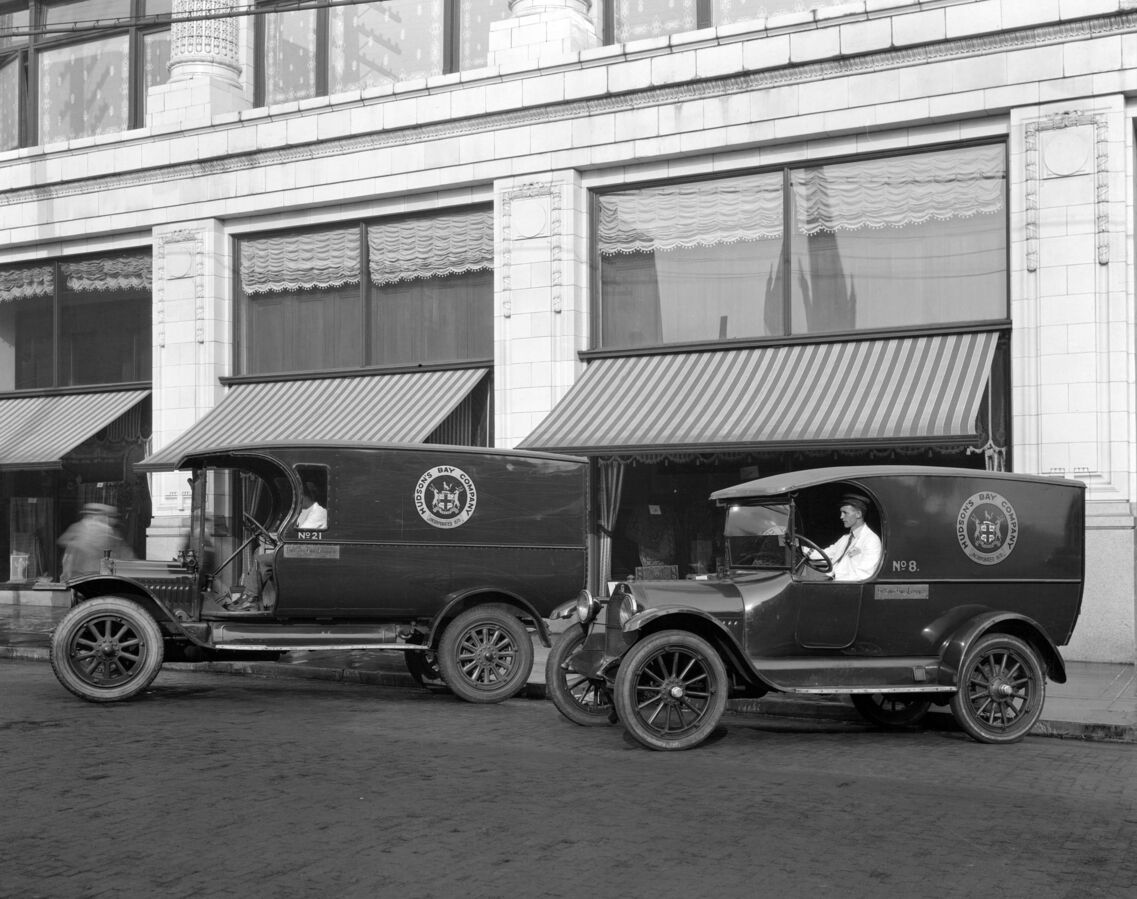
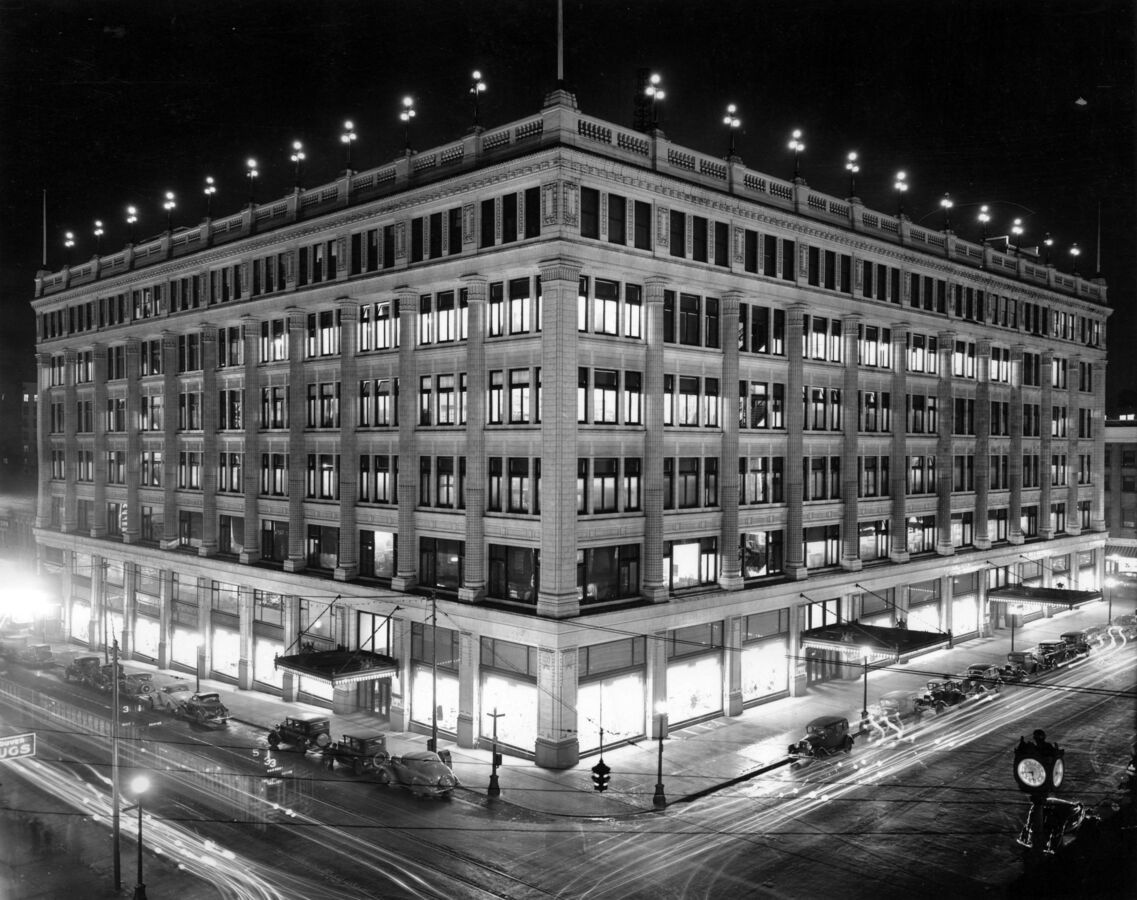
As British Columbia grew, the Hudson’s Bay Company evolved with it. By the late nineteenth century, retail had largely replaced the fur trade, and landmark stores, including Vancouver’s flagship location, became fixtures of urban life. Delivery wagons and later motorized trucks carried goods across the region, reflecting the rapid growth of the province.
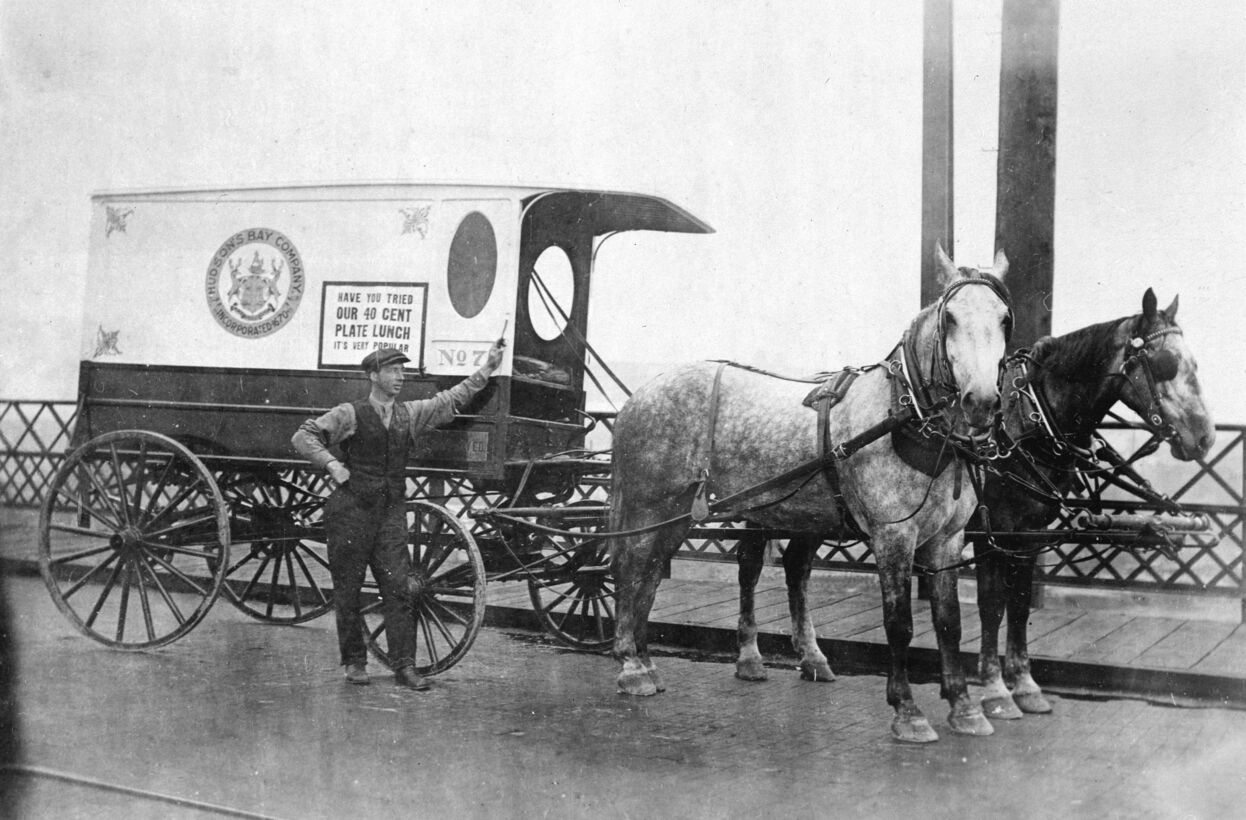
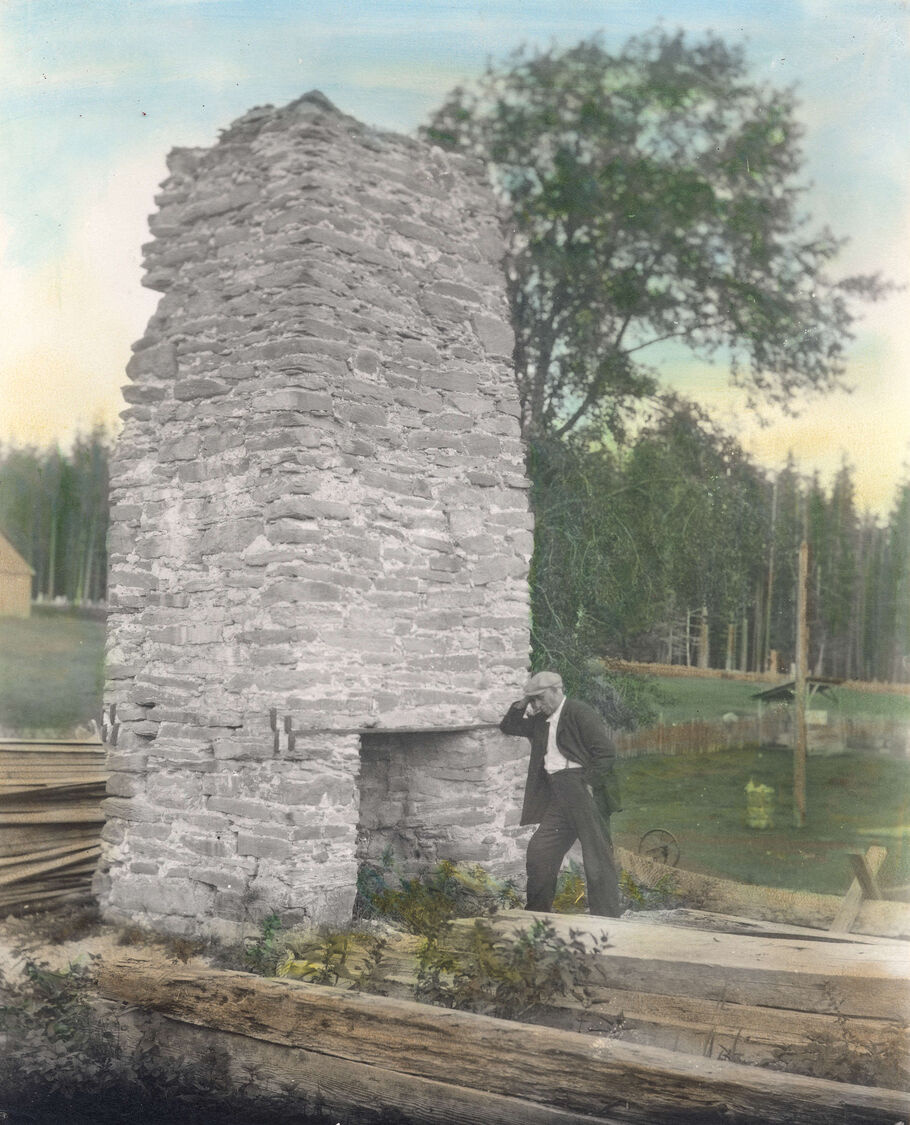
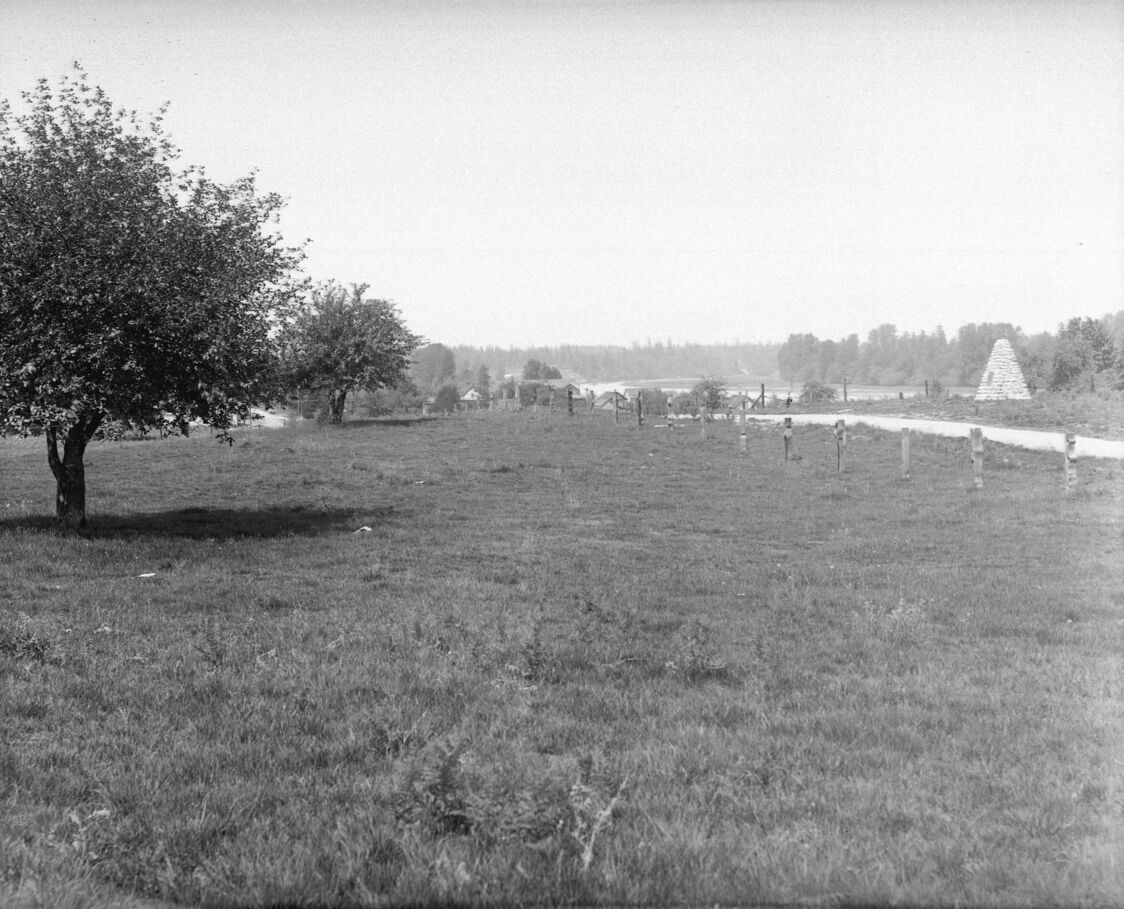
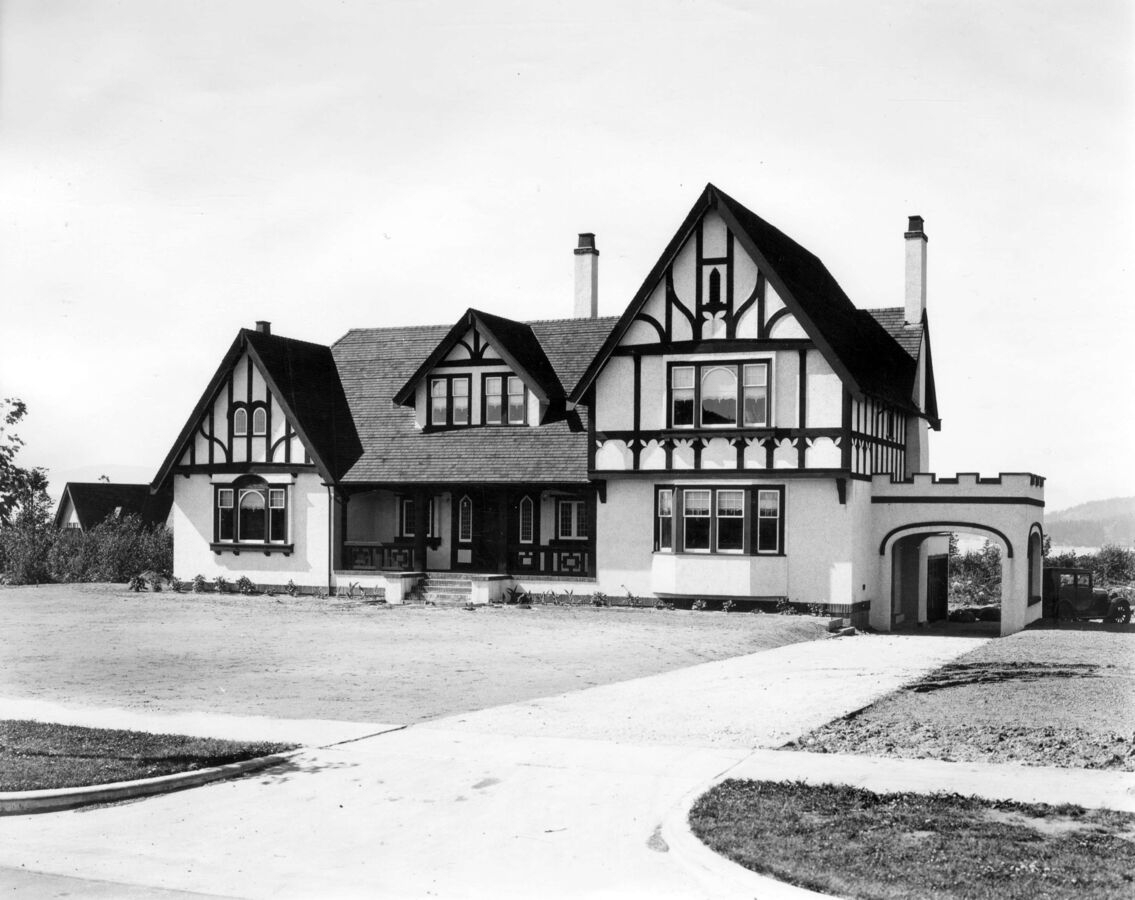
These photographs capture the many faces of the Hudson’s Bay Company and its influence on British Columbia’s development. From frontier forts and coastal steamships to city stores and delivery vehicles, they offer a glimpse into the people, industries, and transportation networks that helped shape the province we know today.
For similar posts please see these previous collections including, Old Photographs from B.C.’s West Coast, Old Photographs of Lighthouses from B.C.’s West Coast, and Vintage Photographs of Parks from Around Vancouver.
The photos above were collected from the City of Vancouver Archives. If you’re interested, additional information can be found for each photograph on their website. Stay tuned for additional posts featuring historical photos from Vancouver, British Columbia, and across Western Canada. We’d love to know what you think in the comment section below.