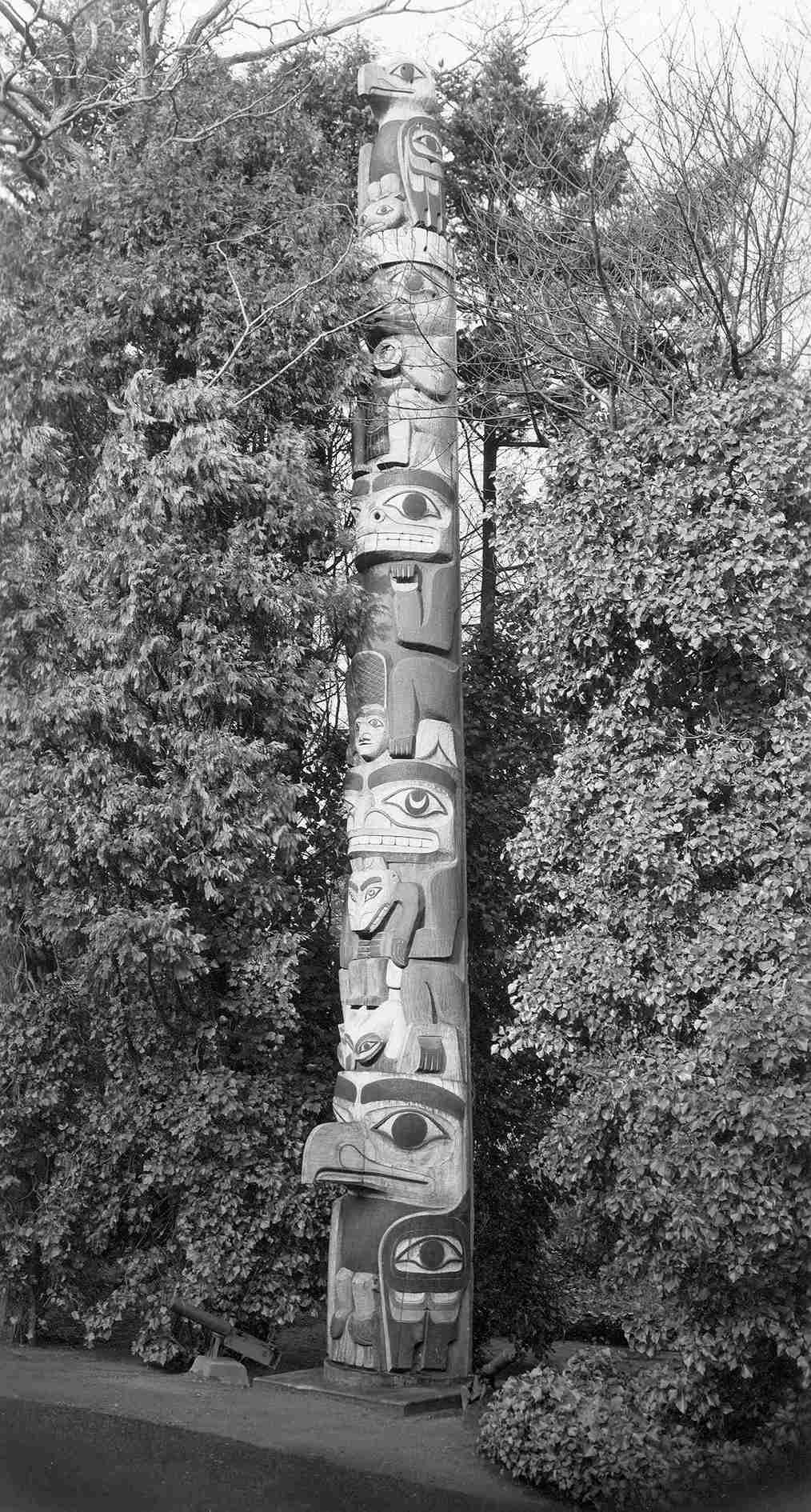
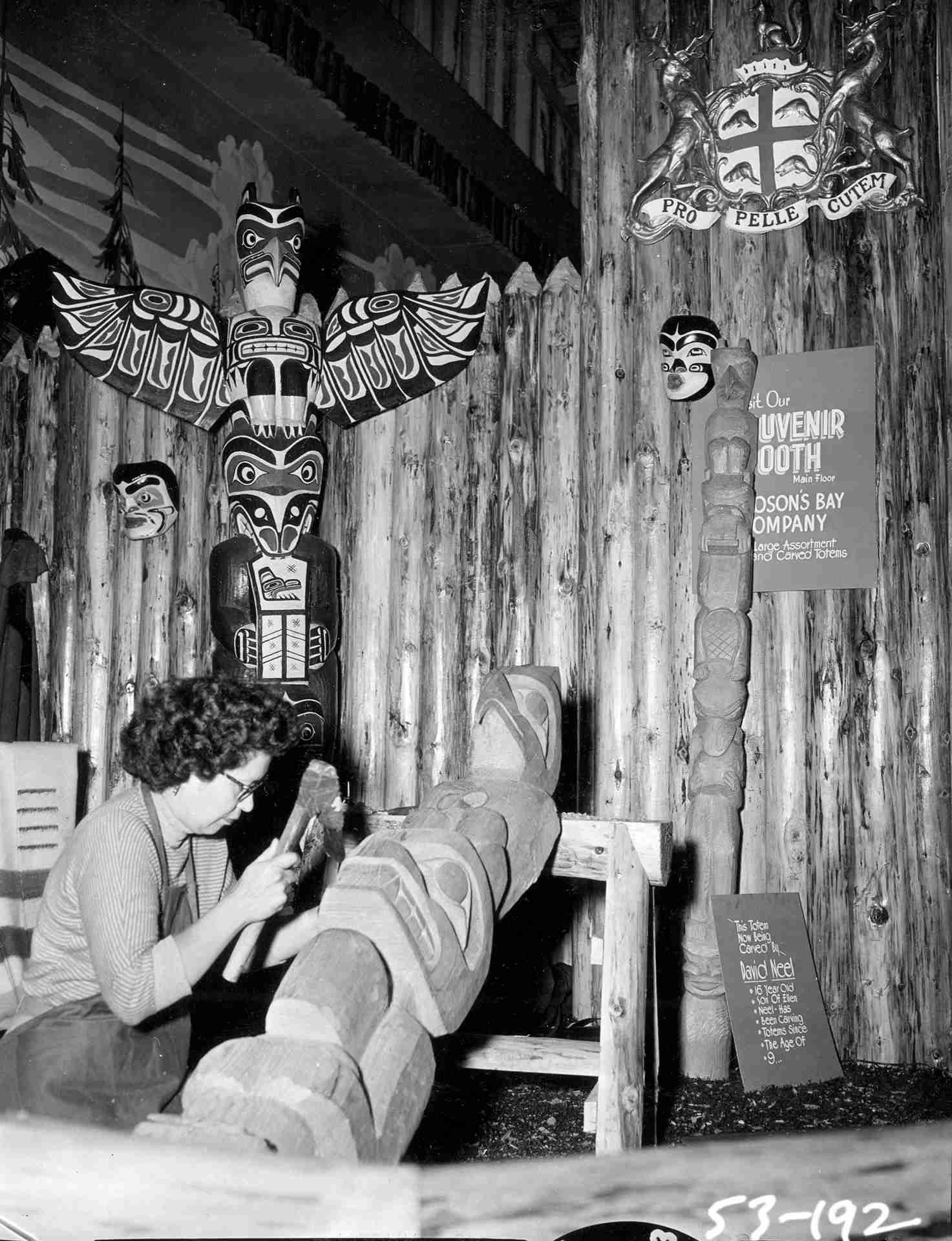
Totem poles are among the most iconic cultural treasures of the Pacific Northwest, rising tall against the dramatic landscapes of British Columbia. Carved from massive Red Cedar trees, these poles are not merely works of art, they are deeply meaningful expressions of identity, history, and spirituality for the Indigenous Peoples of the region, including the Haida, Tlingit, Tsimshian, Kwakwaka’wakw, Nuxalk, Gitxsan, Nisga’a, and Coast Salish Nations, among others. Each Nation has its own carving styles, traditions, and stories, but all share the understanding that totem poles are a way of keeping culture, lineage, and knowledge alive.
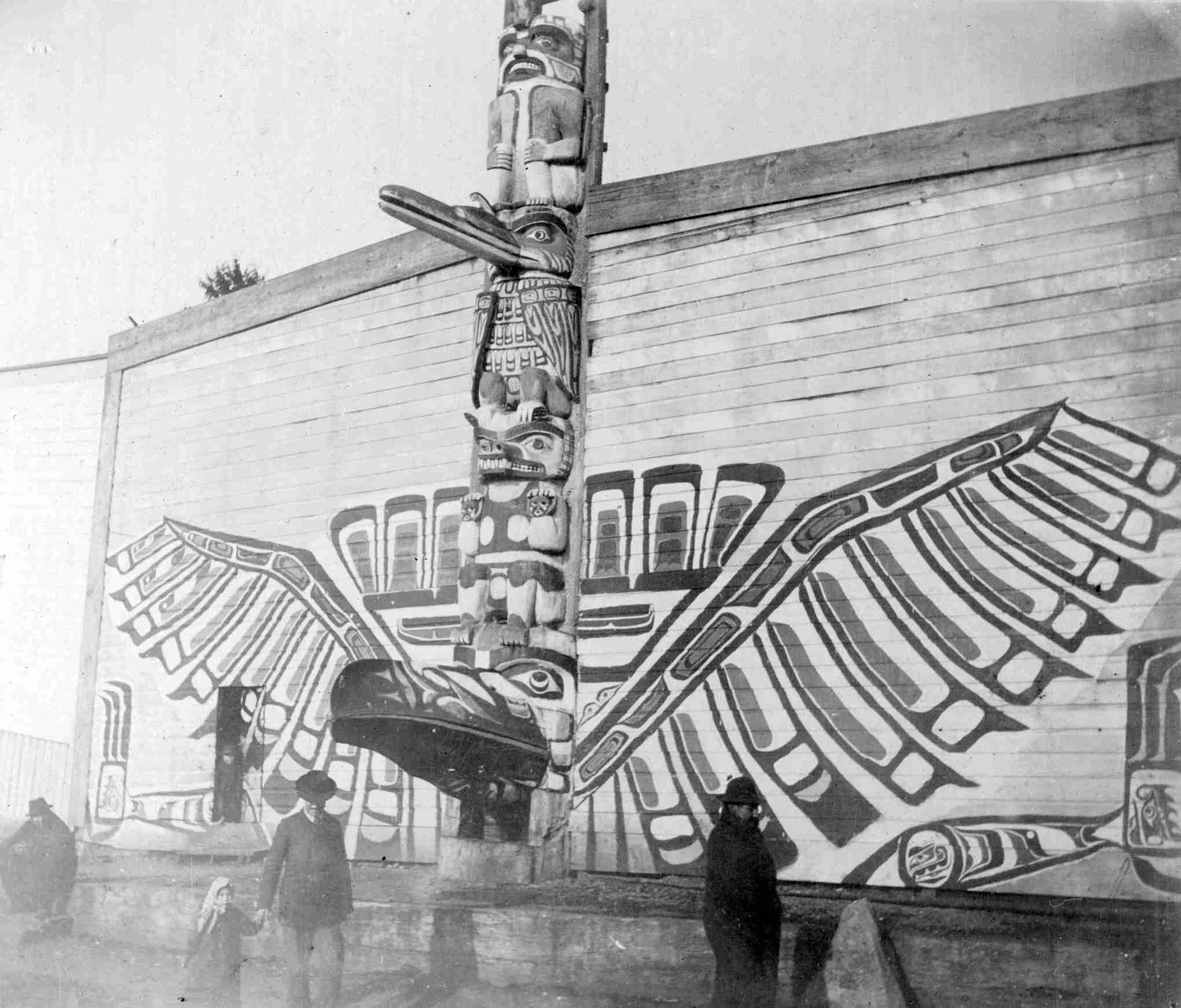
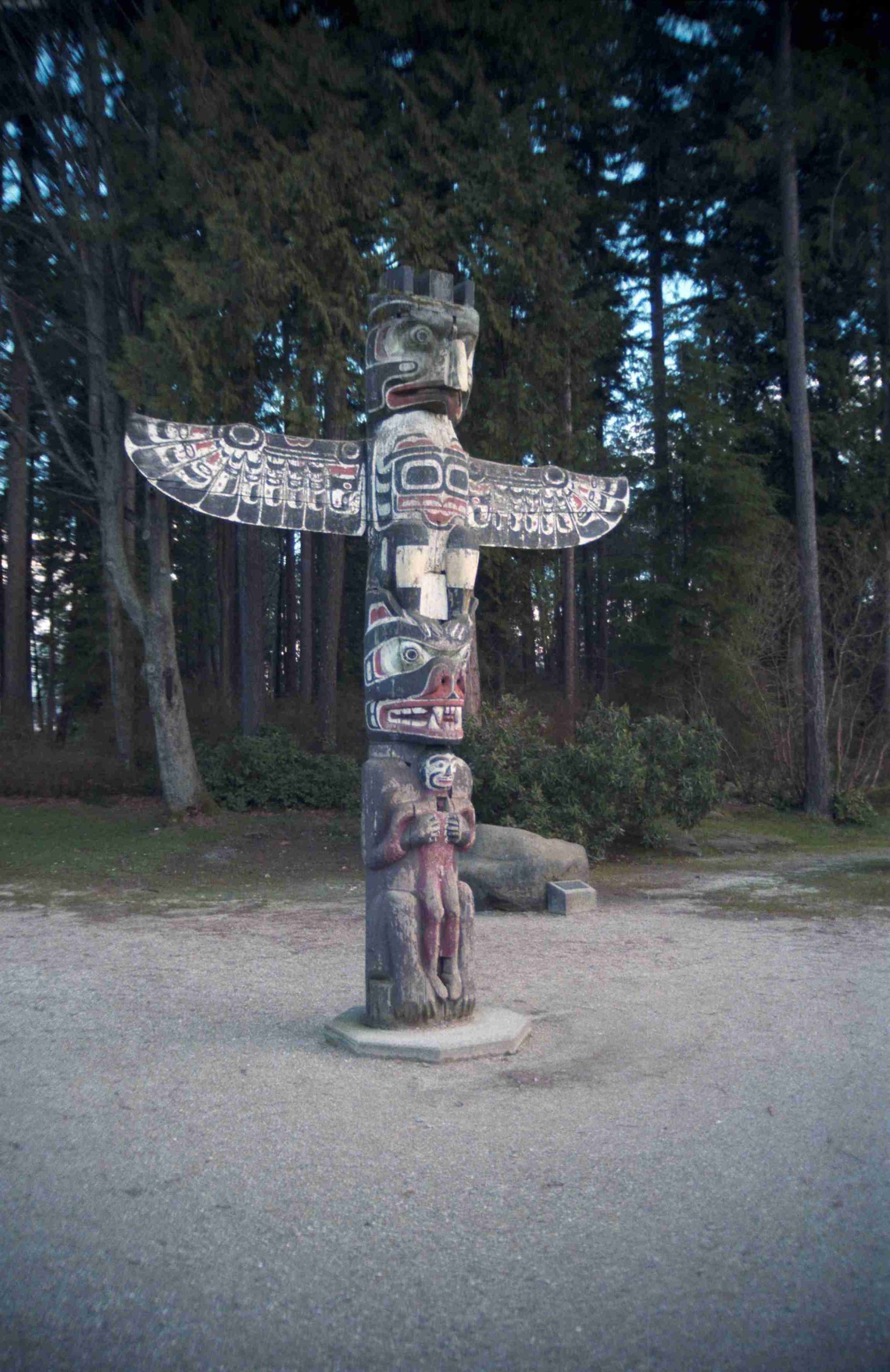
Far from being “totems” in the anthropological sense, these poles are not objects of worship but narrative markers. They tell stories of family lineage, clan histories, significant events, or legendary individuals. The figures carved into the poles, such as the Raven, Bear, Eagle, or Wolf, are not random decorations but symbolic representations tied to family crests, ancestral rights, or important cultural teachings. A single pole might serve to commemorate an important person, mark a potlatch, or stand as a visible declaration of rights to land and resources.
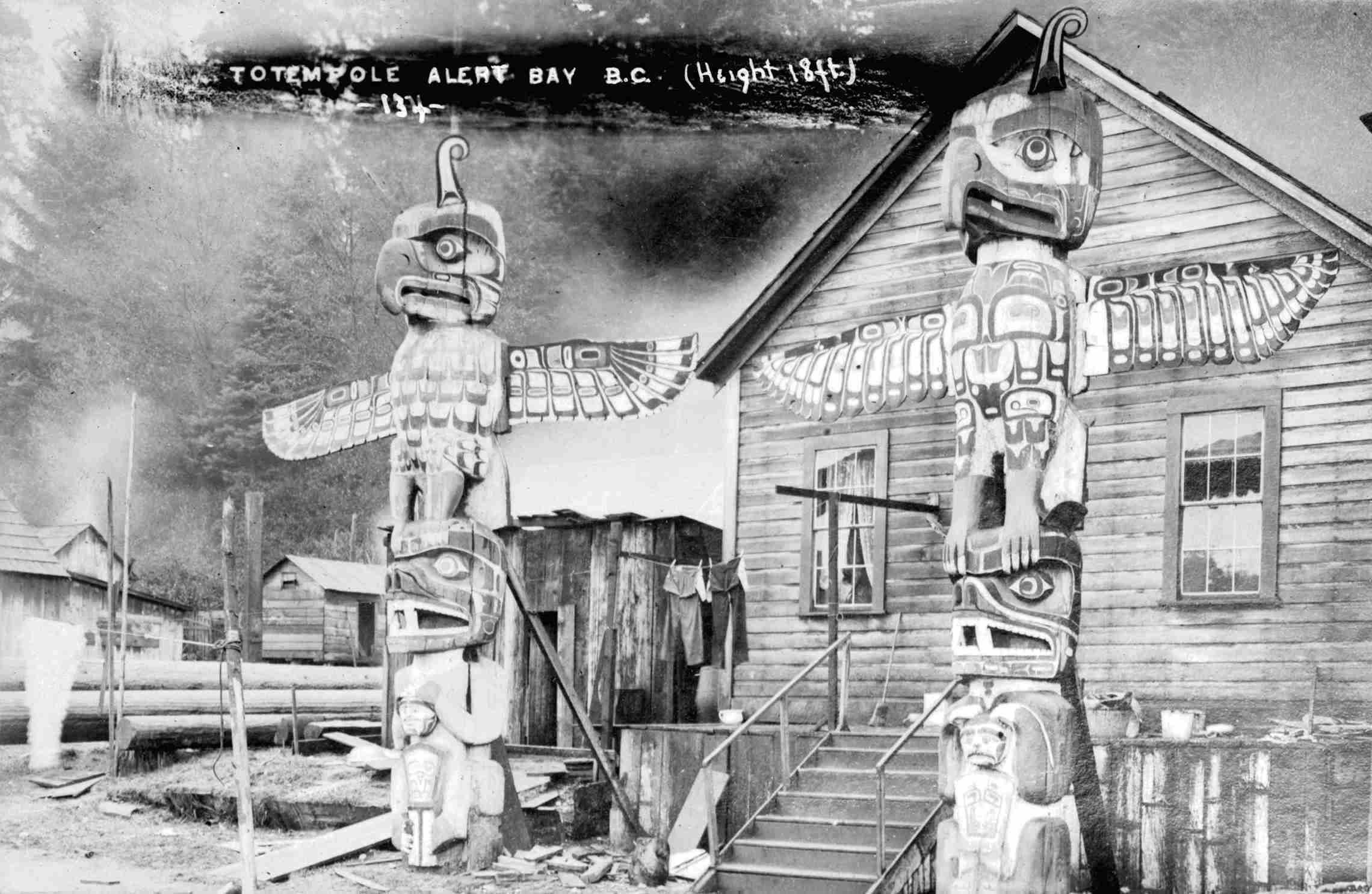
The reasons for carving totem poles are as varied as the poles themselves. Some are memorial poles, raised to honour ancestors or chiefs who have passed away. Others are house front poles, placed at the entrance of a family home to signify clan identity. Welcome poles might stand at the edge of a village or waterway to greet visitors, while mortuary poles once held the remains of the deceased in carved boxes high above the ground. Carving and raising a pole is also a communal act, often involving ceremony, songs, and dances, underscoring the importance of collective identity and resilience.
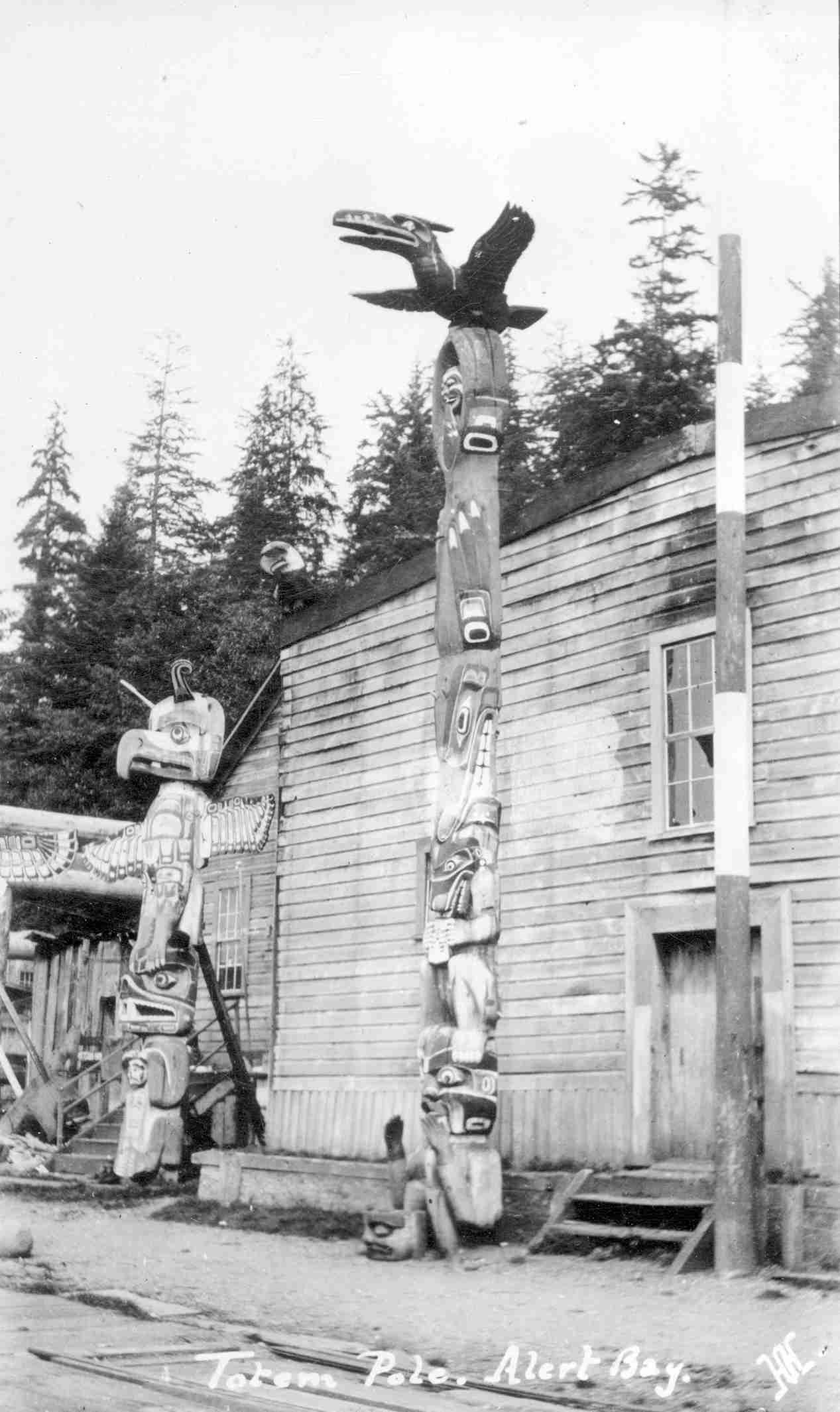
Today, totem poles remain a vibrant part of cultural expression across the Pacific Northwest. Many Indigenous carvers continue this tradition, blending time-honoured practices with contemporary artistry. For visitors, the towering poles in places like Haida Gwaii, Stanley Park in Vancouver, or Alert Bay provide a glimpse into a living culture that has endured despite colonial pressures to suppress it. For the Nations who carve them, however, the poles are much more than landmarks; they are powerful reminders of ancestry, storytelling, and the enduring strength of Indigenous Peoples.
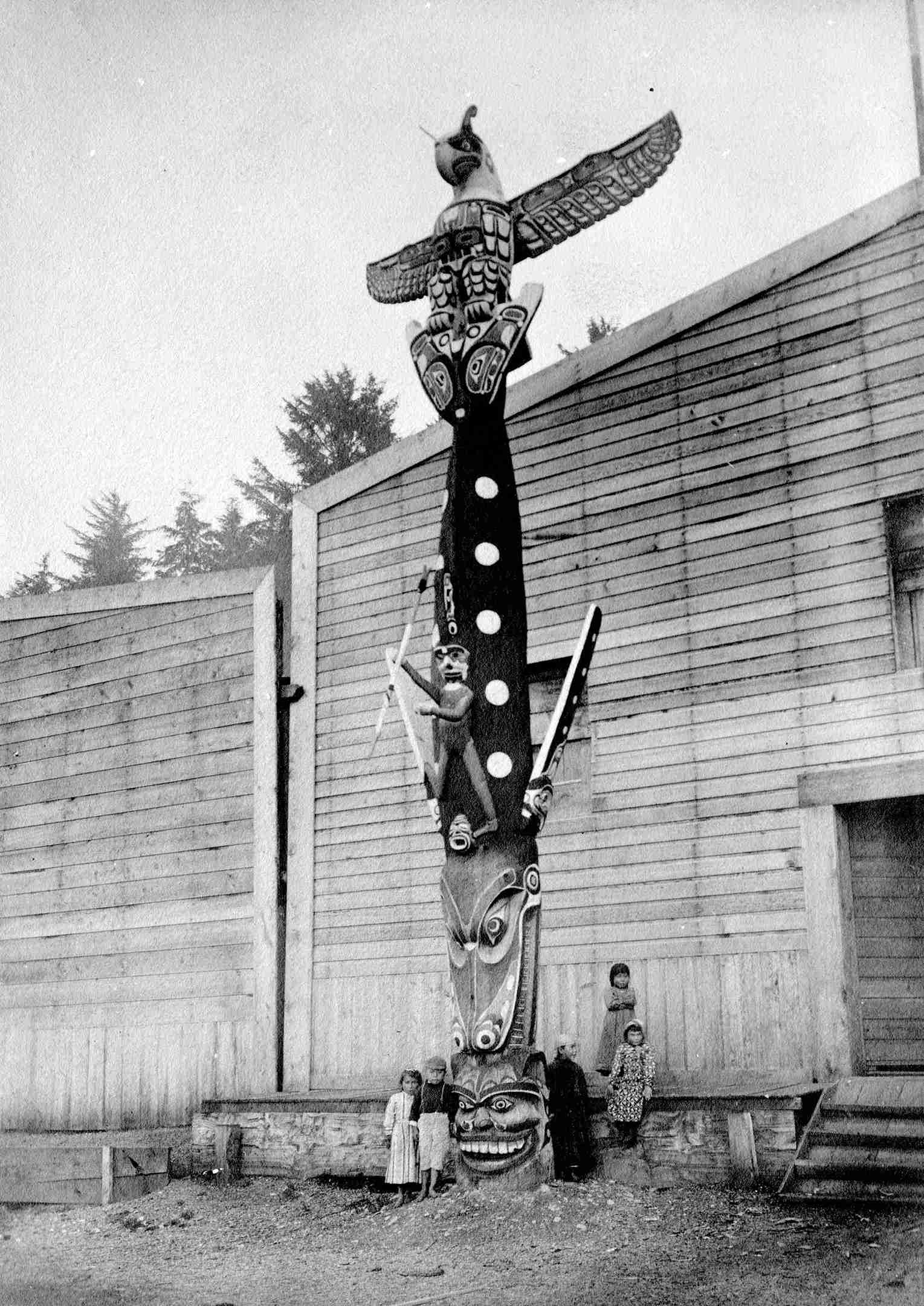
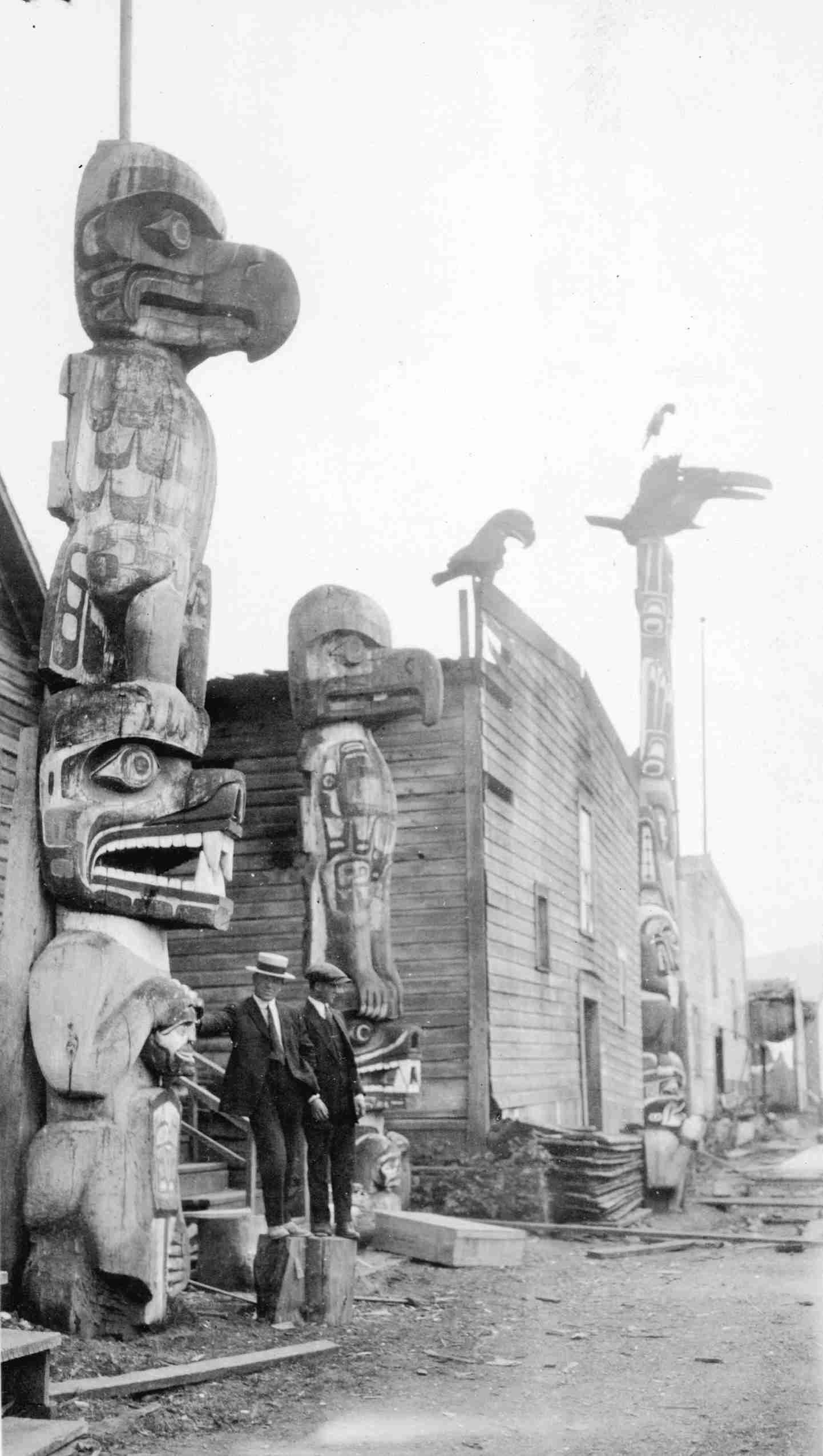
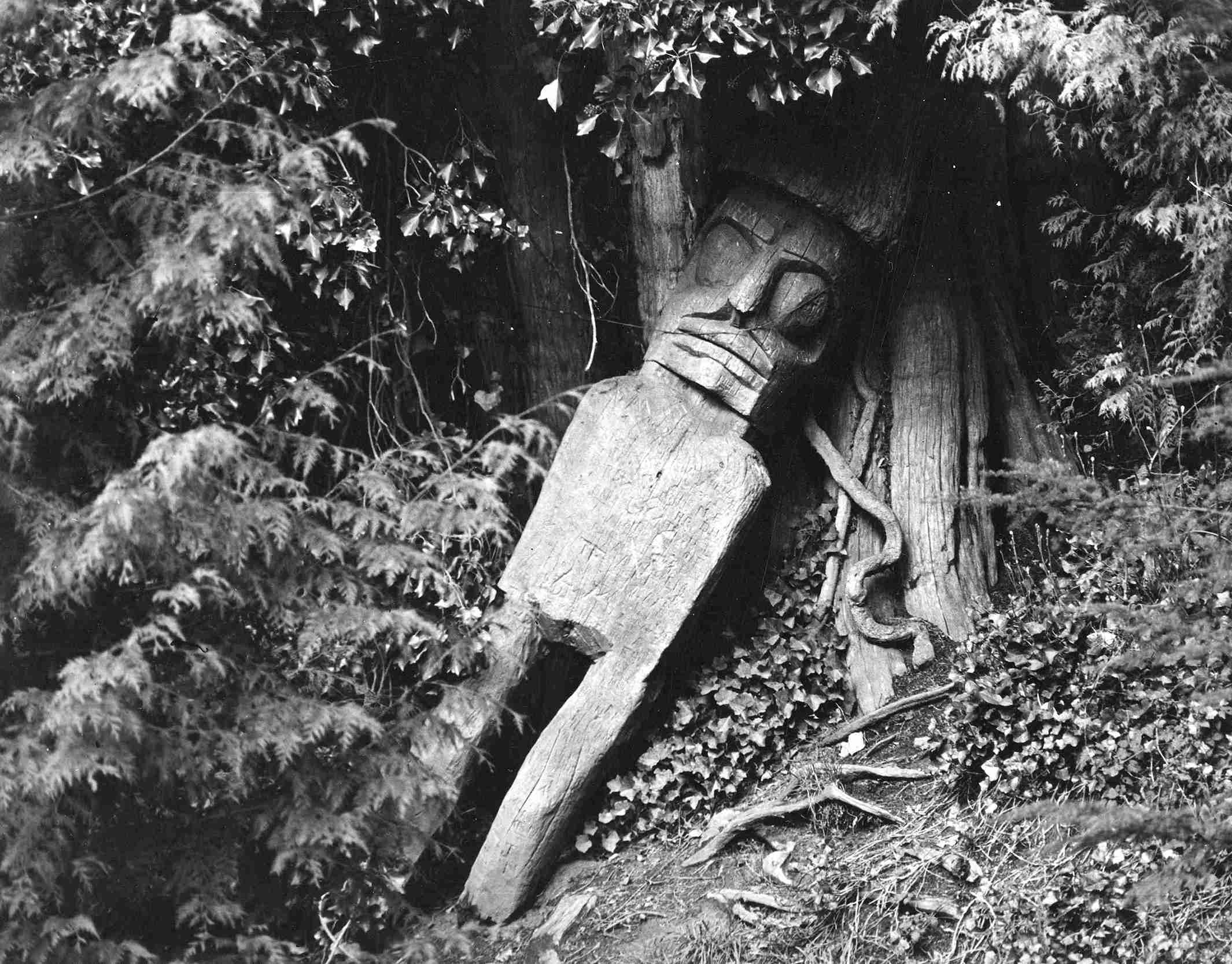
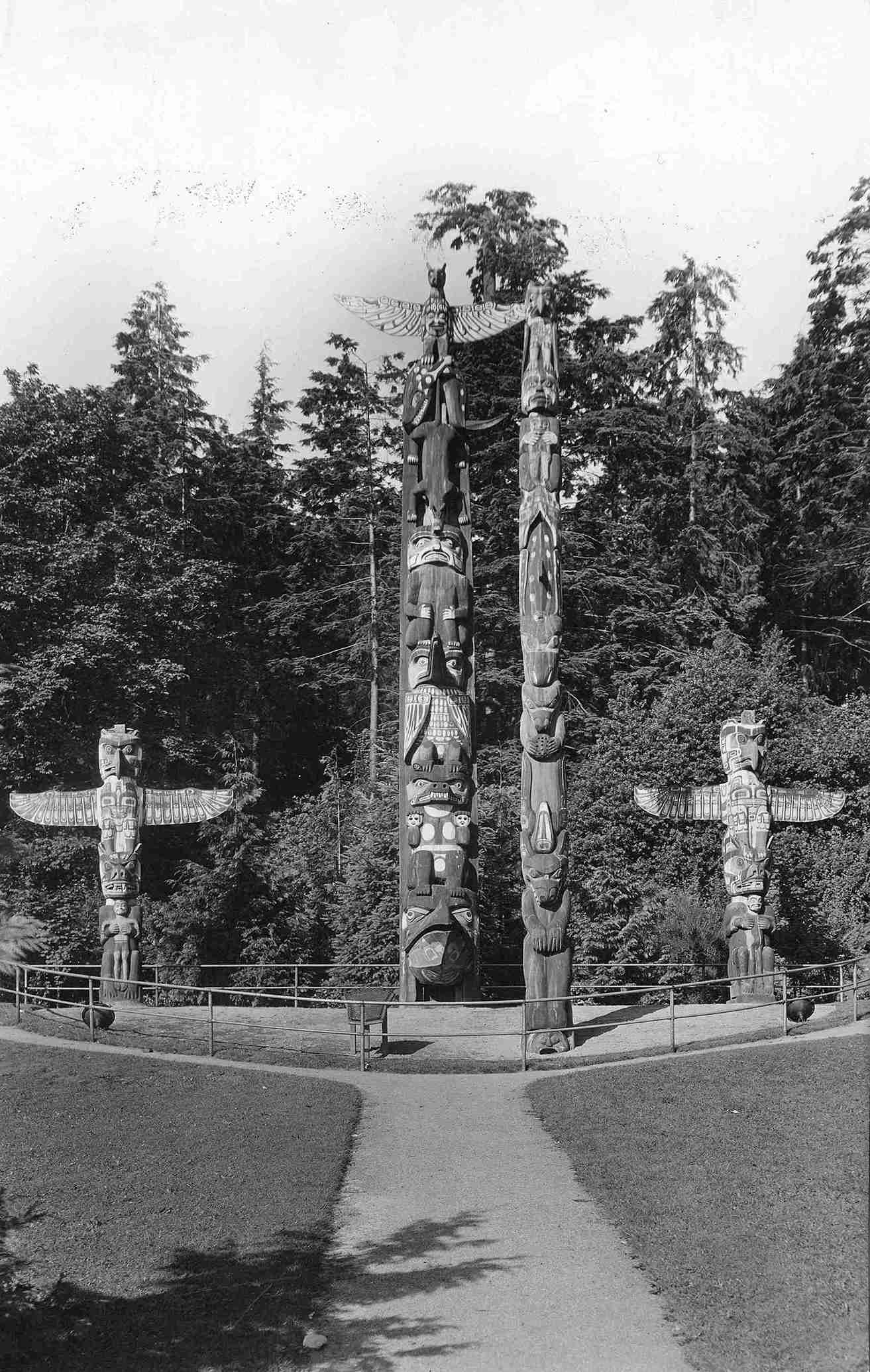
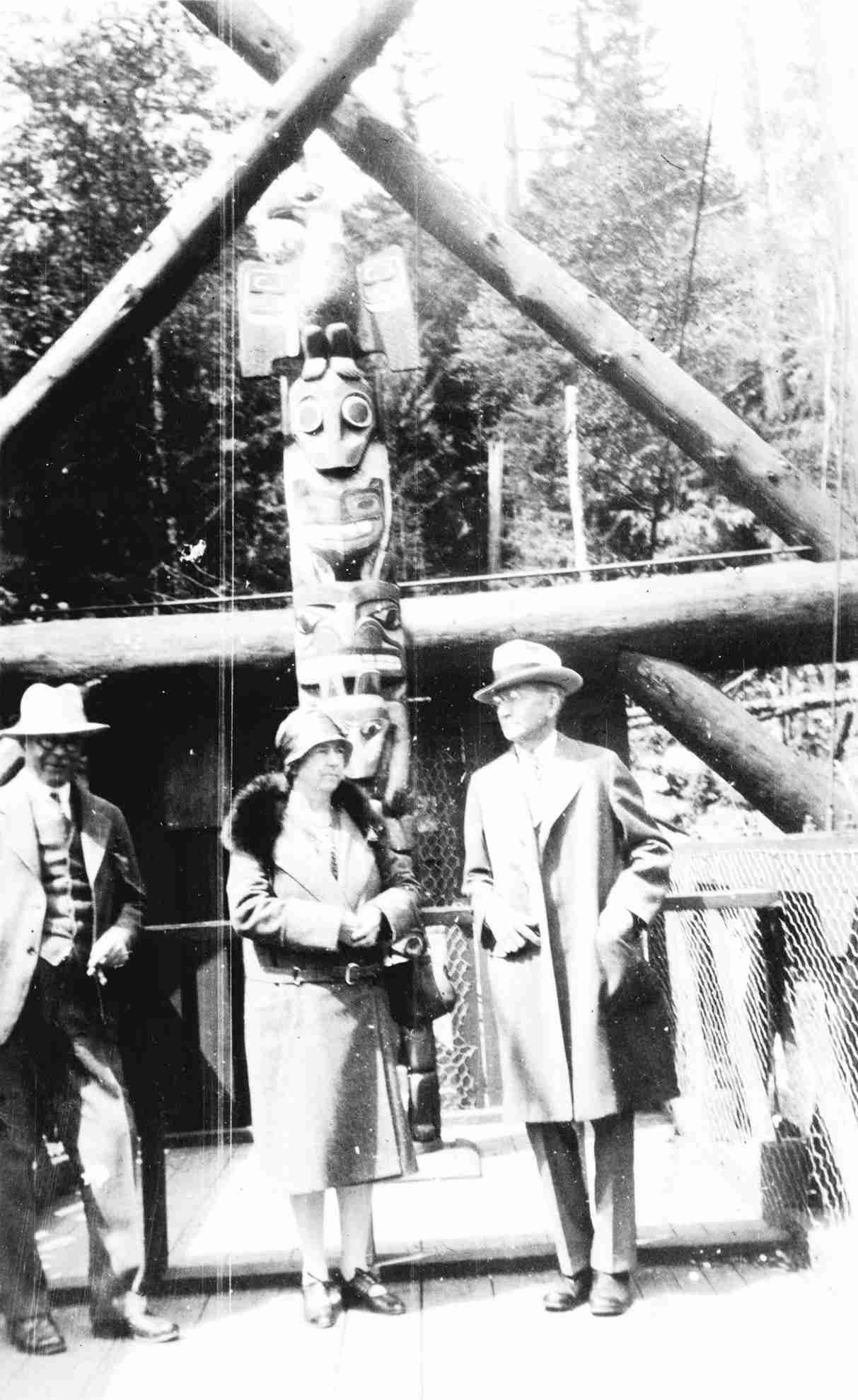
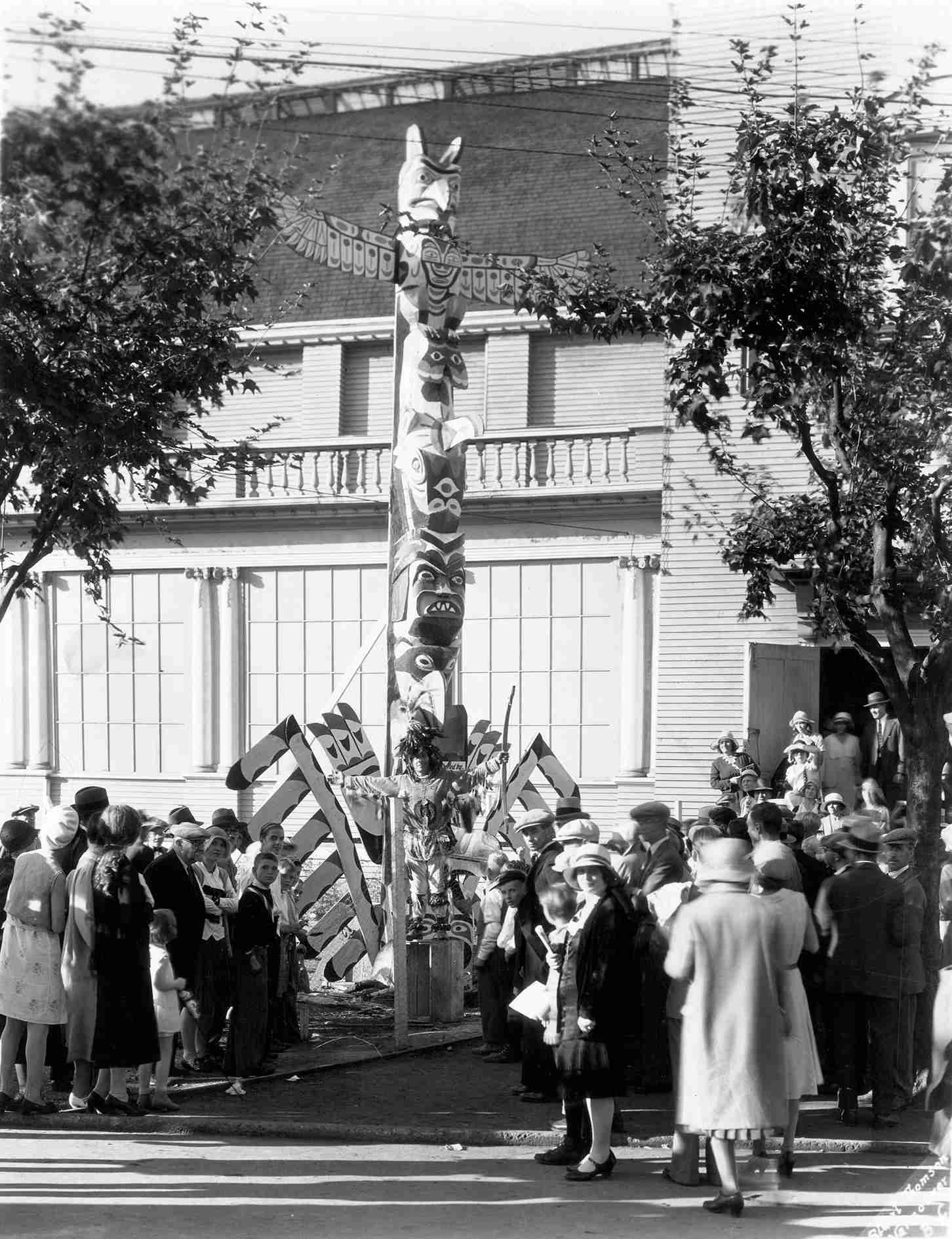
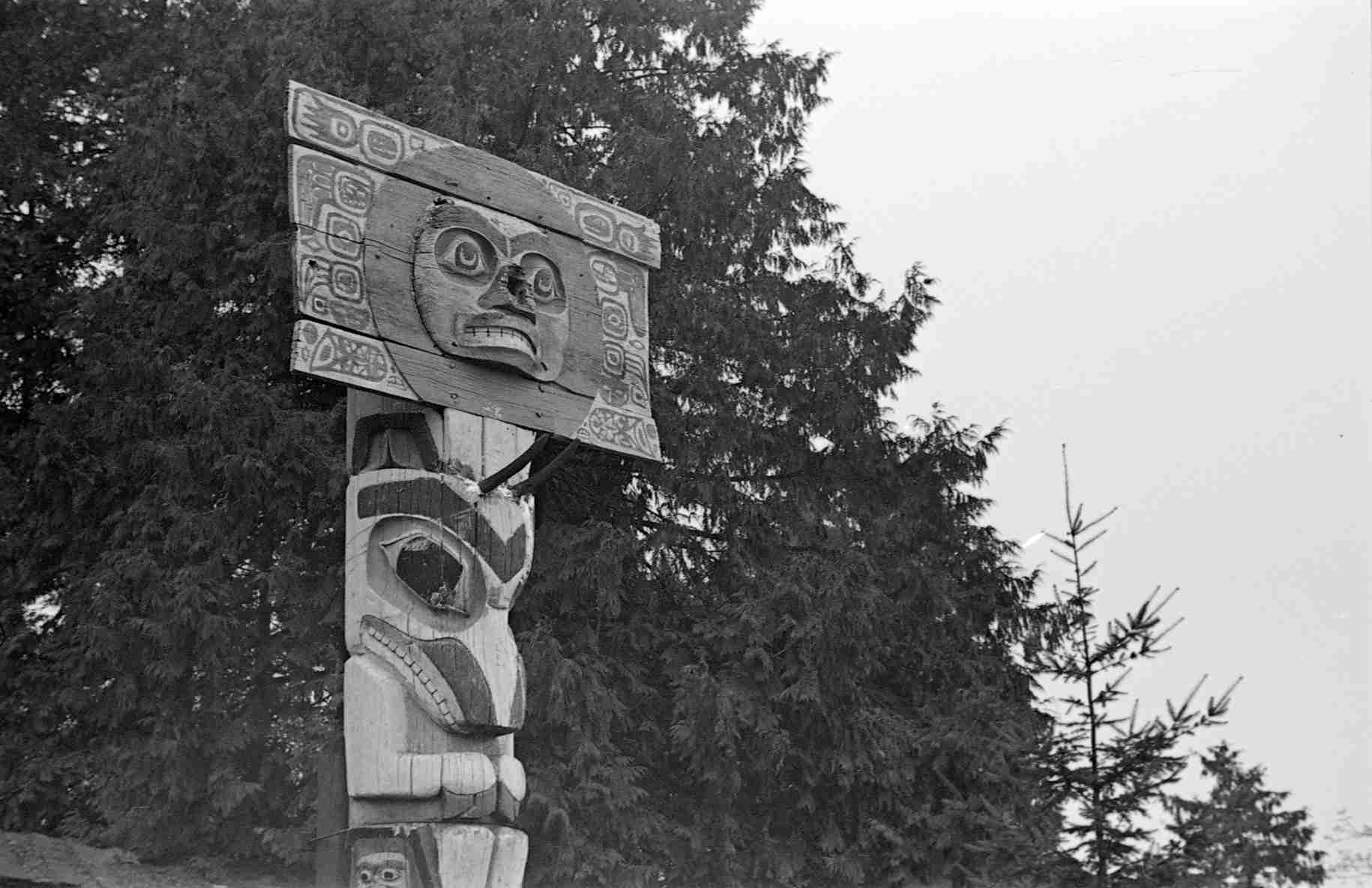
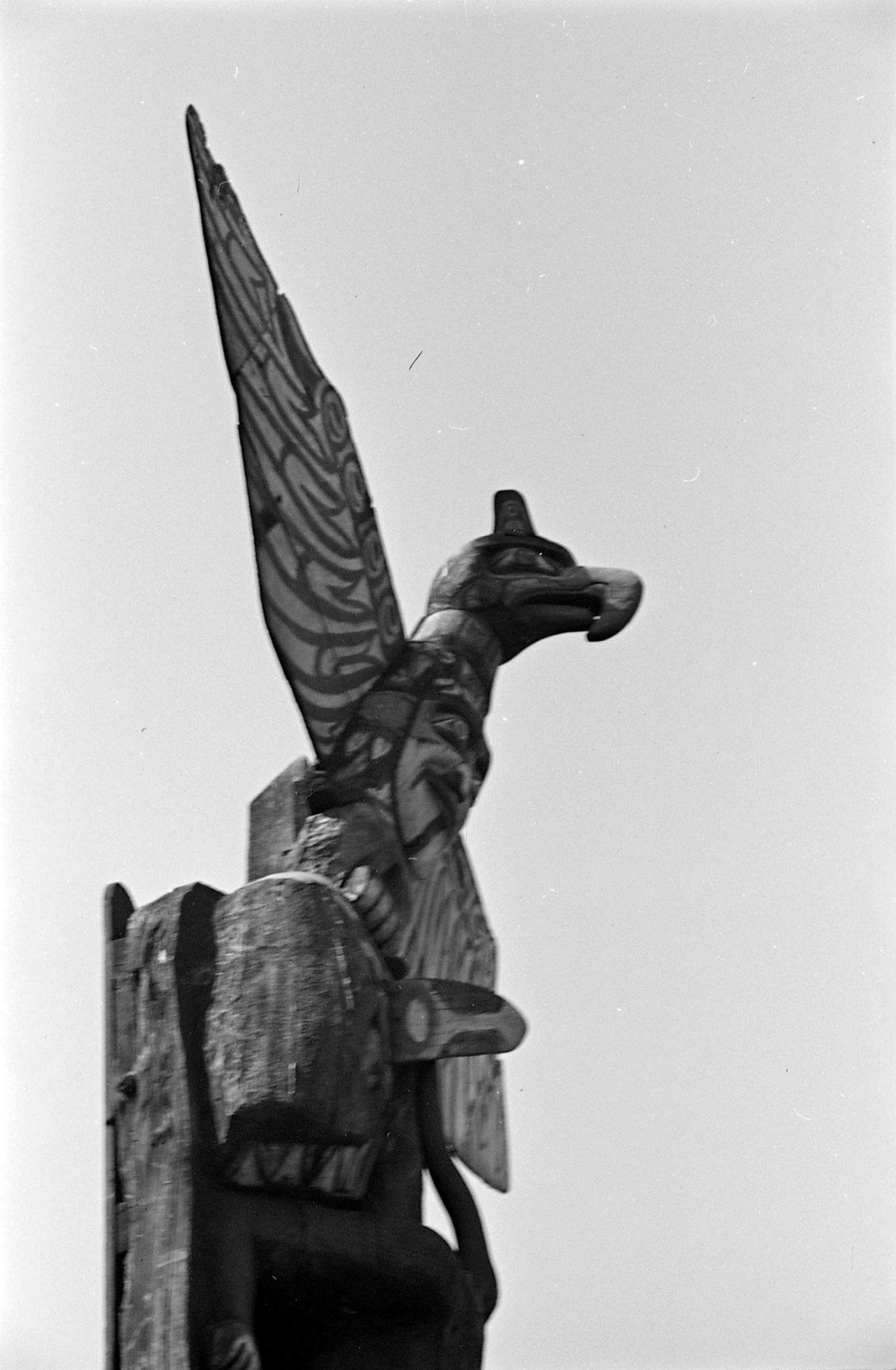
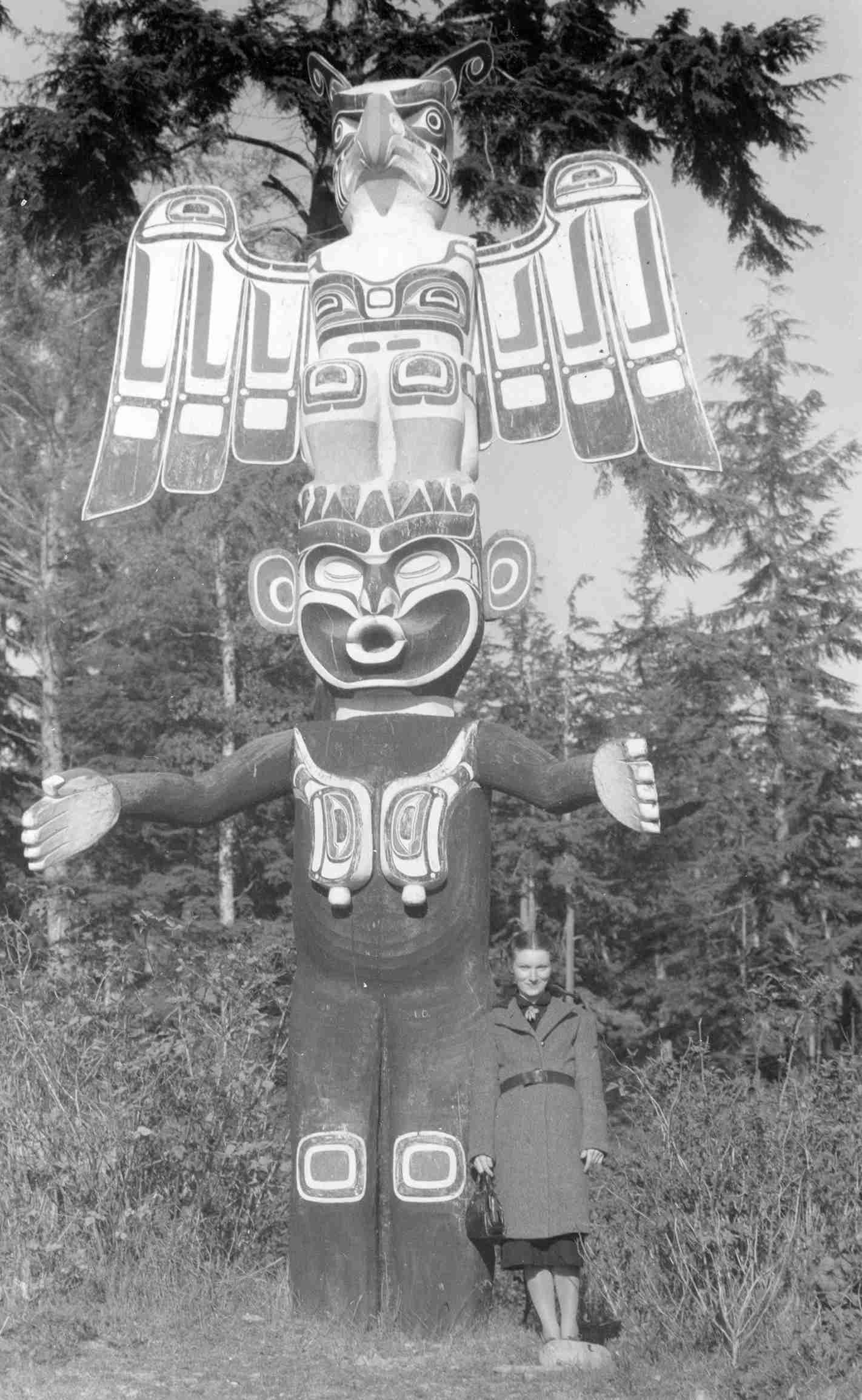
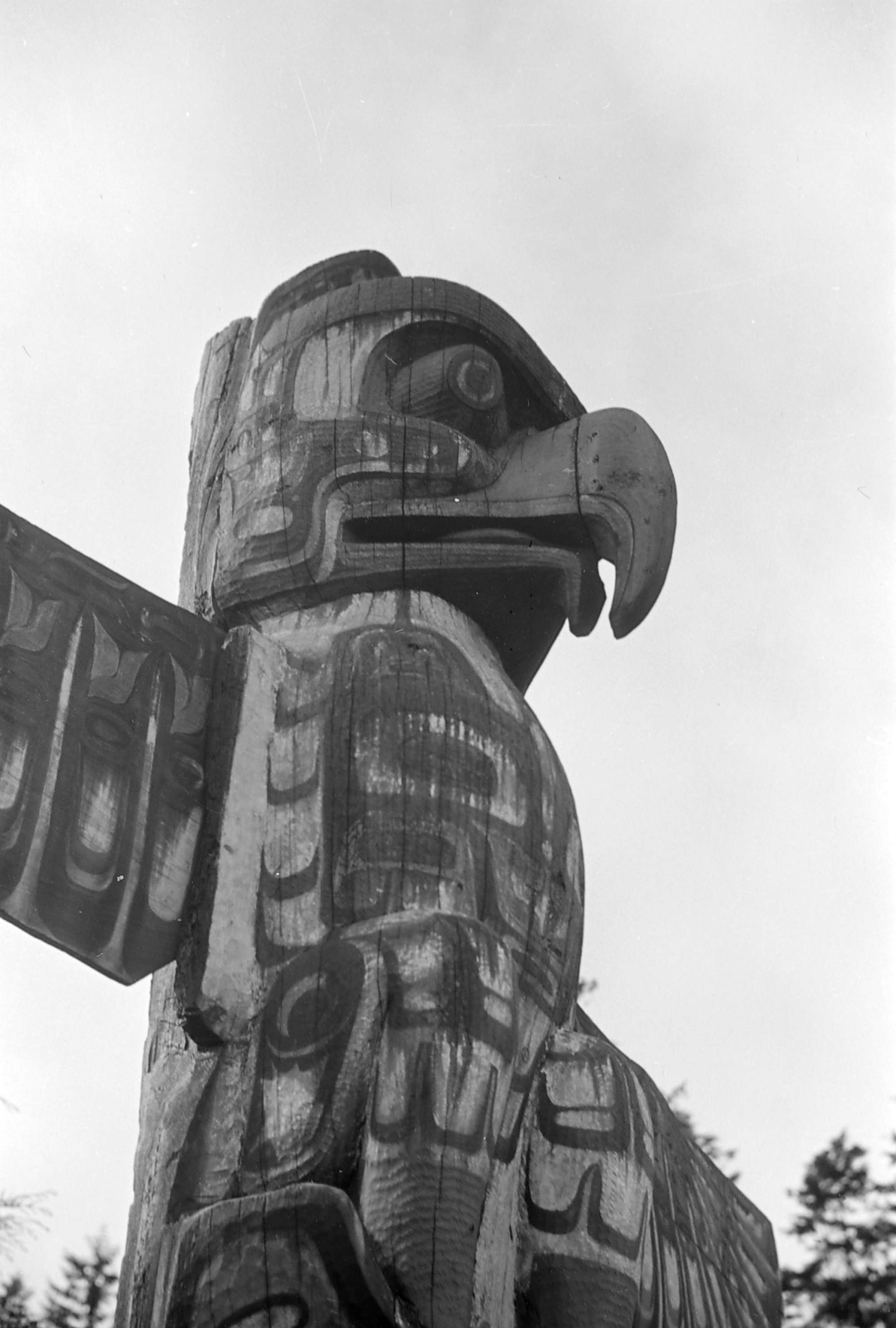
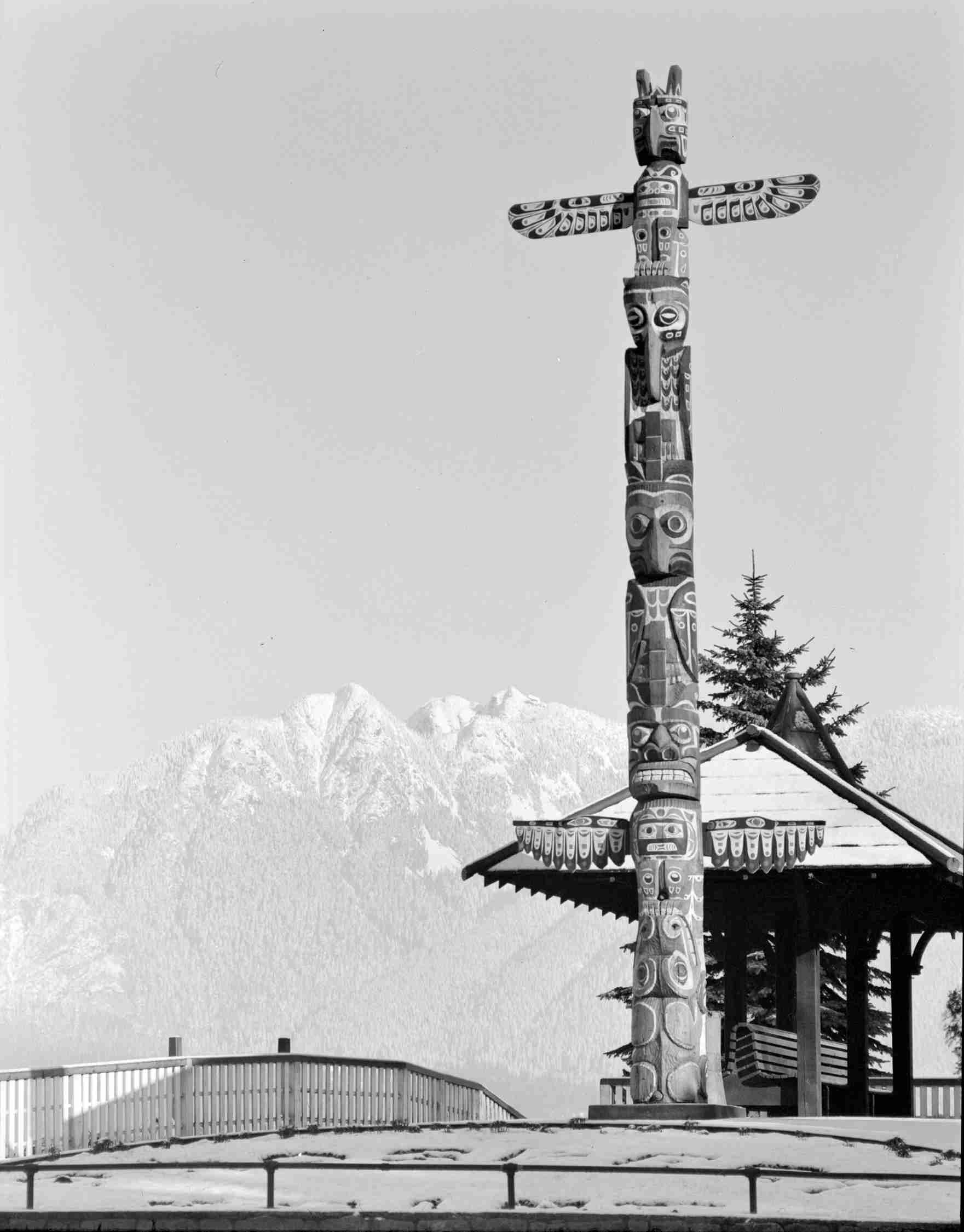
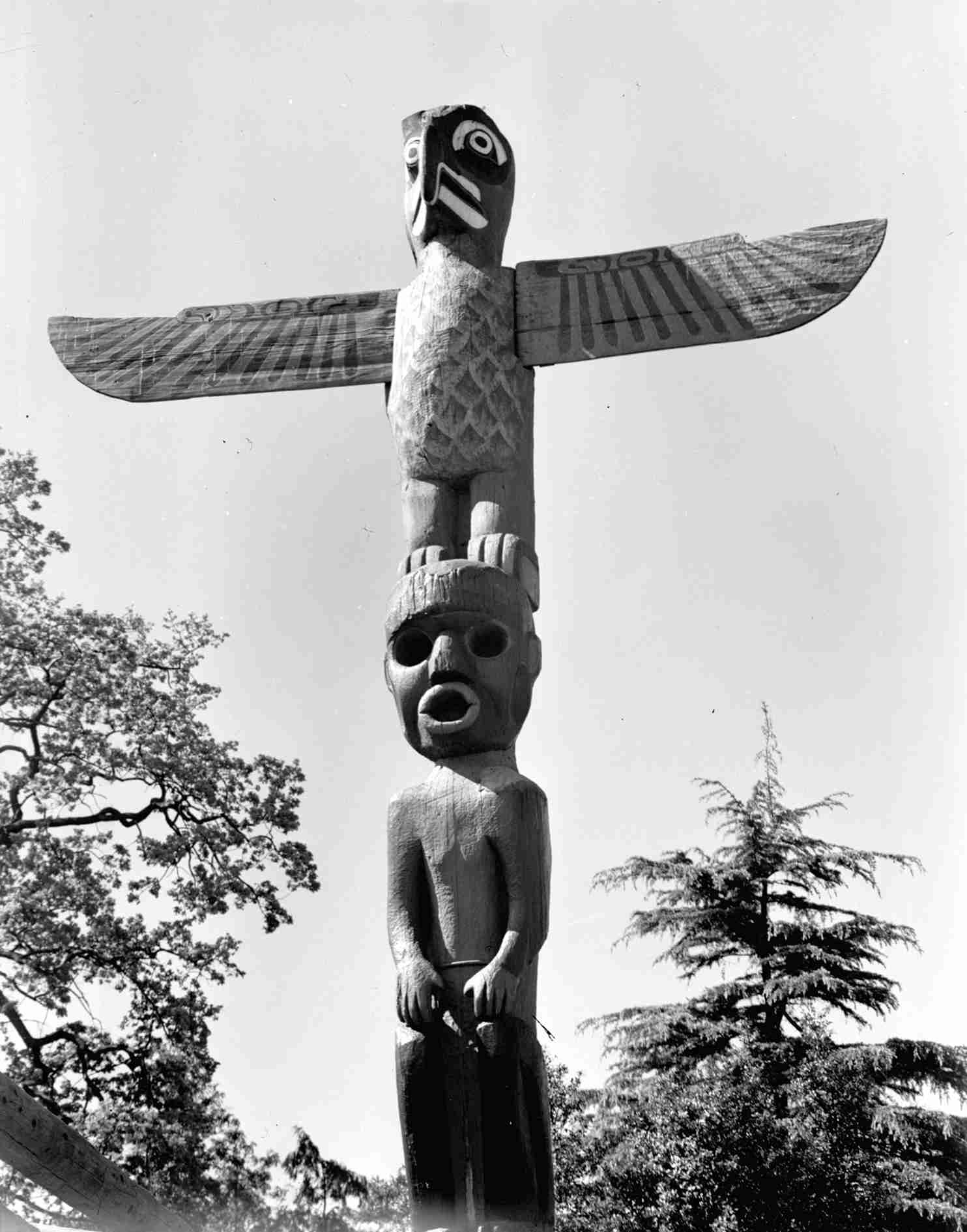
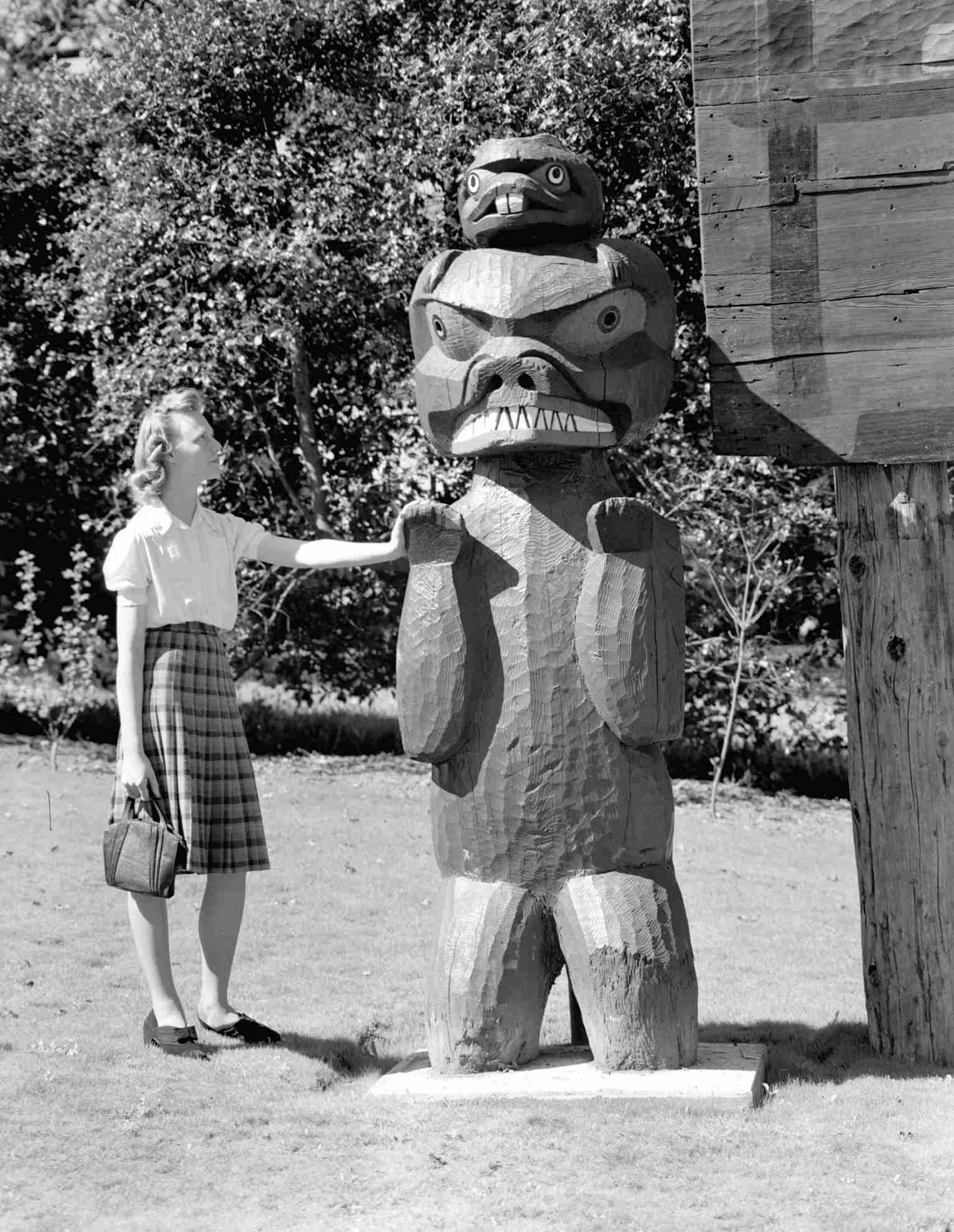
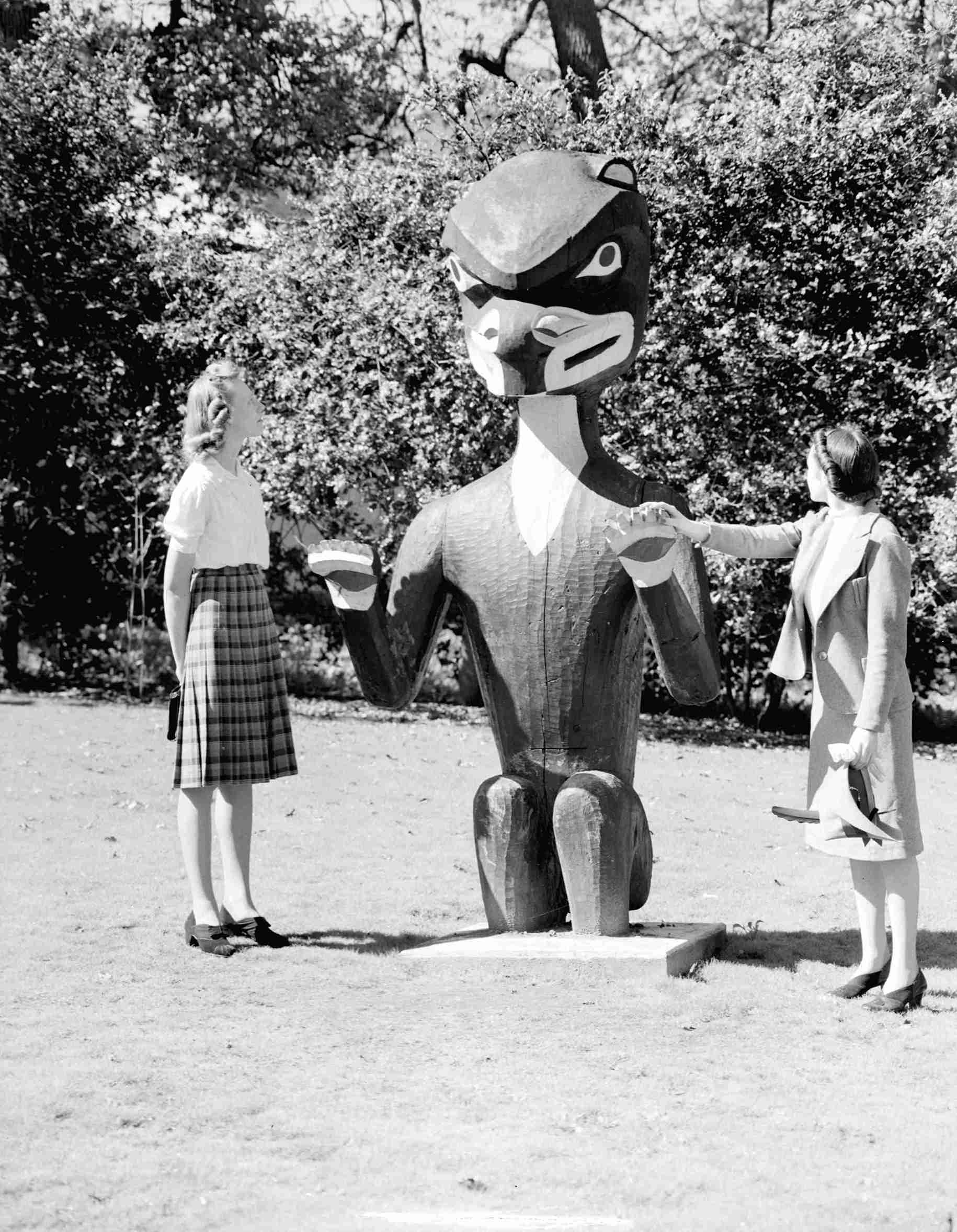
For more historical photo collections, please refer to these previous posts, including Old Photographs of Lighthouses from BC’s West Coast, Vintage Photographs of Parks from Around Vancouver, and Vintage Photographs of Stanley Park.
The photos above were collected from the City of Vancouver Archives. If you’re interested, additional information can be found for each photograph on their website. Stay tuned for additional posts featuring historical photos from Vancouver, British Columbia, and across Western Canada. We’d love to know what you think in the comment section below.