For more than three decades, ReuseTechBC has been helping bridge the digital divide across British Columbia by giving old technology a second life. Under the leadership of Executive Director Mary-Em Waddington, the organization — legally known as BC Technology for Learning Society — refurbishes donated computers and laptops from governments and businesses, ensuring they reach schools, non-profits, refugees, job seekers, and low-income families who otherwise may not be able to afford them. Since launching in 1998, the charity has distributed more than 216,000 devices across the province while also helping reduce electronic waste and extend the lifespan of technology that would otherwise end up discarded.

Describe your charity/non-profit/volunteer work in a few sentences.
ReuseTechBC (legally BC Technology for Learning Society) is a charitable organization repurposing donated technology for reuse in the community. We take donated computers and laptops, primarily from government and local businesses, and refurbish them for use in non-profit organizations, low-income family homes, and schools. The corporate life cycle of a laptop is often 18 -24 months; by refurbishing it, the useful life is doubled, which is good for both the environment and the person using the device. We serve all of BC and have distributed over 216,000 devices.
What problem does it aim to solve?
Keeping technology affordable for people who can’t afford technology.
When did you start/join it?
1998
What made you want to get involved?
Honestly, I was just a kid, and I needed a job – why I stayed: I love the work we do, helping people and reusing technology. It’s so good for the environment!
What was the situation like when you started?
The purpose of the Society was to deliver the federal government’s Computers for Schools program in BC. Remember 386s? It was the first (and last) computer I refurbished as part of my onboarding. I was the admin assistant and was responsible for supporting donors to donate their equipment and then manage the incoming applications from schools. I remember the big switch to Pentium chips, and then Y2K happened, when computers would cost thousands of dollars each, making them too expensive for many schools. I got called Santa Claus a lot when I would phone schools and let them know their application had been approved.
How has it changed since?
We have been calling our work “computer reuse” for 32 years. Now, as more corporations and recycling companies are doing similar work, it’s called “Information Technology Asset Disposition”. What differentiates us from others doing ‘asset disposition ’ is the impact equipment is making in the community. While we are all collecting tech equipment at the end of the corporate life cycle and providing the hard drive wipe, inventory management, and processing services, we remain committed to our charitable purpose, ensuring that everyone has access (can afford) a computer for use in the home. This is great news for the environment, with more options for devices to have their useful life extended. We are focused on the affordability component as well.
The other big change after 32 years is that the federal government has disbanded the Computers for Schools program. This was a decision made from departmental budget austerity and not because there is no longer need in the community. Digital skills and access to technology continue to grow. The loss of federal funding means we are no longer able to provide computer equipment for free.
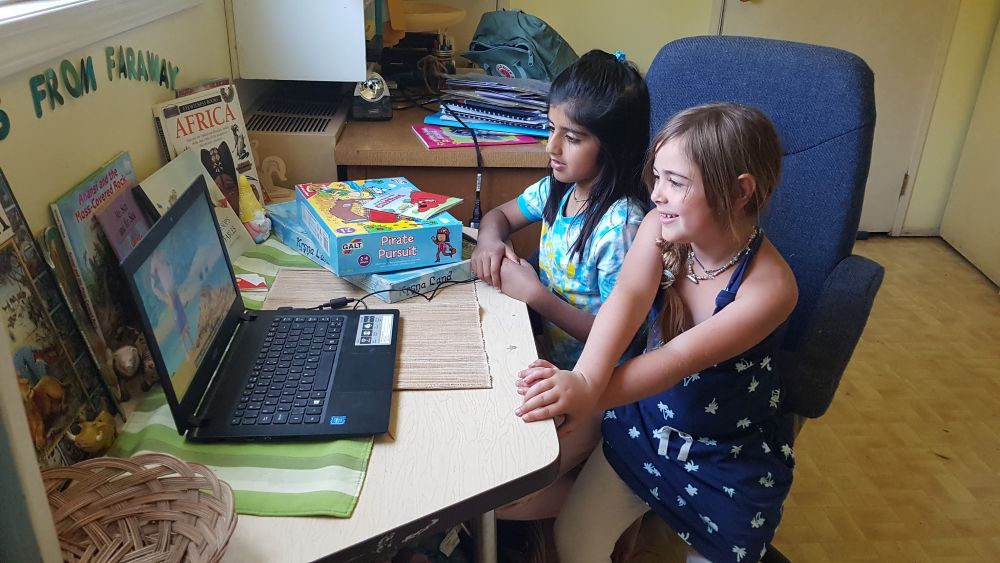
On the program delivery side, we have seen an evolution in how and where devices are used, as well as device preferences. In 1998, equipment went to schools and school boards for use in computer labs and classrooms; today, the demand is highest for device use in the home. Low-income families, job seekers, refugees, and other Canadians need a device to participate in everyday activities such as attending online classes, virtual appointments, and accessing government resources. Laptops are preferred over desktops as many clients don’t have space for a bulky computer at home.
The most recent change is an organizational rebrand to ReuseTechBC.
What more needs to be done?
Computer training, digital skills development, and low-cost internet are all components to enhancing the ITAD work done to repurpose tech. ReuseTechBC works with literacy partners to support computer skills training and are seeking new community delivery partners for these initiatives.
How can our readers help?
Talk with the IT staff at your office and learn what they are doing with your old computer equipment. We want to refurbish it for use in the community and provide all the ITAD services and a tax receipt for your support. We also accept cash donations.
Where can we follow you?
Newsletter | Instagram | LinkedIn
PAY IT FORWARD: What is an awesome local charity that you love?