
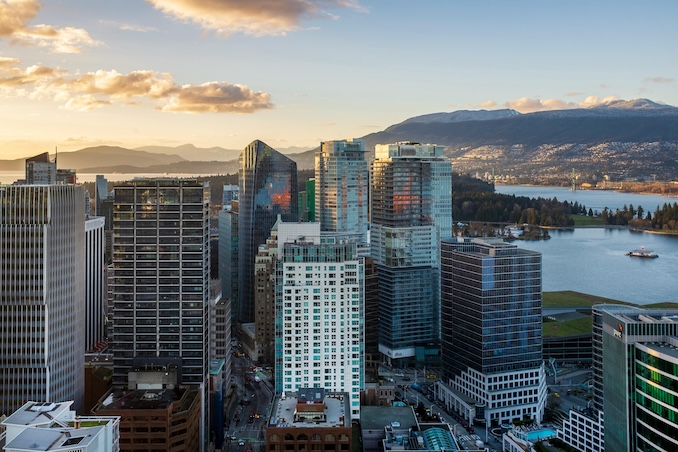
Vancouver is often described through what’s visible, the mountains, the ocean, the architecture, the pace of life that feels both active and balanced. But the city’s real stability comes from something far less noticeable. It comes from the systems working quietly in the background, making sure everything functions the way it should.
Most of the time, those systems are easy to ignore. They only come into focus when something interrupts them.
When Everyday Comfort Depends on Expertise
It doesn’t take much to realize how dependent daily life is on reliable infrastructure. A flicker in the lights, an unexpected outage, or a faulty connection can quickly shift the mood of an entire space. What felt stable moments before suddenly feels uncertain.
In those situations, access to a skilled electrician in Vancouver becomes more than a convenience, it becomes essential. Electrical systems are complex, often extending beyond what’s visible within a home or building. Addressing issues properly requires not just a quick fix, but a deeper understanding of how everything is connected. Without that expertise, small problems can escalate, affecting both safety and functionality.
This is one of those realities that doesn’t get much attention until it becomes unavoidable. When everything works, it fades into the background. When it doesn’t, it becomes the only thing that matters.
The Quiet Complexity of Modern Living
What makes cities like Vancouver feel seamless is actually a result of constant coordination. Electricity flows, water runs, heating systems respond to temperature changes, all without requiring much thought from the people who rely on them.
But behind that ease is a network of systems that must be maintained continuously. Electrical infrastructure, in particular, carries a significant load in modern homes, supporting everything from lighting and appliances to communication and work setups.
As technology becomes more integrated into daily life, that demand only increases. Homes are no longer just living spaces, they are workspaces, entertainment hubs, and connected environments. The systems supporting them need to evolve accordingly.
Safety as an Ongoing Responsibility
Electrical systems are not just about convenience, they’re also about safety. Faulty wiring, outdated components, or improper installations can create risks that aren’t always immediately visible.
According to the Electrical Safety Authority, electrical hazards remain a leading cause of preventable fires and injuries, often linked to issues that could have been addressed through proper inspection and maintenance. This highlights the importance of not only responding to problems, but actively preventing them.
Regular assessments, timely upgrades, and professional oversight all contribute to safer living environments.
The Value of Skilled Trades
There’s a tendency to overlook the role of skilled trades in shaping how cities function. Yet without them, even the most advanced infrastructure would struggle to operate effectively.
Electricians, in particular, work at the intersection of safety, functionality, and evolving technology. Their role extends beyond installation, they diagnose, adapt, and ensure that systems continue to meet changing demands.
In many cases, their work is preventative. Issues are resolved before they become noticeable, maintaining a sense of continuity that people often take for granted.
Adapting to a Changing City
Vancouver is constantly evolving. New developments, renovations, and infrastructure upgrades are part of how the city grows. With each change comes new demands on existing systems.
Older buildings may require updates to meet current standards, while newer constructions must be designed with future needs in mind. This creates a dynamic environment where adaptation is essential.
Electrical systems, in particular, need to be flexible enough to support new technologies while remaining reliable under increasing load.
When Maintenance Becomes Essential
One of the challenges with infrastructure is that it doesn’t always show signs of wear immediately. Systems can function for years before issues become apparent, which can create a false sense of security.
Delaying maintenance often leads to more complex problems later. A small fault can develop into a larger issue, affecting not just a single space but potentially an entire system.
Proactive maintenance shifts the focus from reaction to prevention. It allows issues to be addressed early, reducing both risk and long-term cost.
The Human Element Behind the System
Behind every functioning system is a person applying knowledge, experience, and judgment. These are not automated processes, they rely on skilled individuals who understand how to navigate complexity.
In many ways, this human element is what makes the system resilient. Technology can support and enhance infrastructure, but it still depends on people to implement, maintain, and adapt it.
That work often happens without recognition, but its impact is felt every day.
Rethinking What Makes a City Work
It’s easy to think of a city in terms of its landmarks and public spaces. But what truly makes it livable is the reliability of its systems. Electricity, in particular, underpins almost every aspect of modern life.
Recognizing this shifts the focus from what is visible to what is essential. It highlights the importance of maintenance, expertise, and ongoing investment in infrastructure.
Vancouver’s appeal is undeniable, but its functionality depends on more than scenery and design. It relies on systems that operate quietly, supported by people whose work often goes unseen.
When everything works, it’s easy to overlook. But that reliability is not accidental, it’s the result of continuous effort, expertise, and attention to detail.
Understanding that doesn’t just change how we see the city. It changes how we value the work that keeps it running, day after day.