
Your home is more than a residence. It’s a private collection of your most significant and lovely moments. Canadian photographers adore the tranquil Maritimes and rugged Rockies. Finding the best manner to display their work is an art form for them.
Printing your images offers your house a warm, personal, and professional appearance at a time when thousands are kept on the cloud and seldom viewed again. What sort of artist you are or wish to be, how you frame and display art, affects your house.
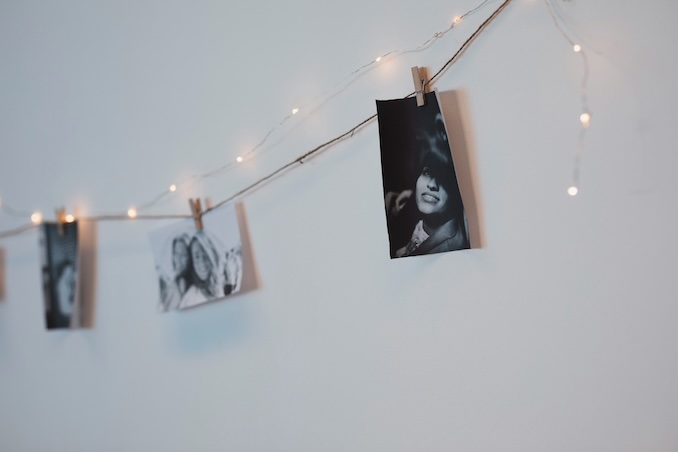
Here are five creative ways to show off your photography at home that combine classic gallery methods with modern Canadian style.
1. The Ultra-Modern Edge: High-Definition Metal Prints
The metal photograph is the best option for bright, clear images. Metal, on the other hand, looks sleek and open in contemporary Canadian houses, particularly industrial or minimalist ones.
Why Choose Metal?
A process called dye-sublimation is used to print on metal. In this method, dyes are absorbed straight into an aluminum sheet that has been specially treated. You can do more than just print on metal. There is a chemical link that makes an end product that is
- Highly durable
- Not easy to scratch, not easy to catch on fire, and not waterproof. They work great in damp places like bathrooms or kitchens with a lot of foot traffic, where paper prints might bend or break.
- Vibrant and deep
- The colors are bright and stand out in a way that paper just can’t do. The picture looks almost backlit because the light bounces off the metal and through the dye.
- The floating effect
- A secret float mount is on the back of most high-end choices. This moves the picture about an inch away from the wall, creating a soft shadow that makes the art look classy and three-dimensional.
For those looking for premium quality that stands the test of time, a metal print is the ultimate way to preserve your favorite landscapes or portraits with a glass-like finish that lasts a lifetime.
2. The Classic Salon Wall (Gallery Style)
There’s a reason why the salon wall, also called a gallery wall, is always a favorite. This way of putting together pictures, which comes from French art shows in the 17th century, lets you tell a complicated story. For example, this works great for trip photos, family albums, or a bunch of pictures from the same shooting.
How to Style It for Maximum Impact:
1. The formal grid
Set up frames and mats that are the same in a square or rectangular shape. This is great for black-and-white pictures of buildings or plants because it gives them a clean, organized look, like in a professional museum.
2. The eclectic mix
With this method, you can mix and match frame sizes, styles (like recycled wood, sleek gold, and matte black), and even angles. It looks great in a cozy maximalist sitting room.
3. The narrative theme
Use the same colors on the wall to keep it looking good. For instance, a True North theme could include different shots of Canadian wildlife, woods in the fall, and snowy scenery. The natural tones of all of these shots would tie them together.
Pro Tip: Before you hit a nail, draw your frames on kraft paper, cut them out, and use painter’s tape to stick them to the wall. This lets you see how the plan will look and change the spacing until it’s just right.
3. Oversized Statement Pieces
There are times when less is more. A statement piece in interior design is a single, big piece of art that holds the room together. Pick one big picture to hang on the wall instead of a bunch of small ones. The photo should be at least 30″x40″ or bigger.
Selecting the Right Image for Large-Scale Printing:
Not every photo is meant to be blown up. To ensure it looks professional, consider these factors:
- Resolution is king. Make sure that the number of megapixels on your camera is high enough. For the clearest print, you need at least 300 DPI (dots per inch). However, current AI upscaling can help if you’re printing a picture from your phone.
- Compositional balance. A kayaker by himself on a huge blue lake in Banff tends to look more polished when blown up to a large size. Instead of making things feel crowded, they make you feel calm.
- Landscape vs. portrait. Landscape (horizontal) orientation looks better on wide walls above chairs or beds, while portrait (vertical) orientation looks better in halls or entryways that aren’t very wide.
4. The Rotating Ledge Gallery
If you are a busy shooter who is always taking new pictures, a fixed wall show might not work for you. You might love a picture today but want to show off a different set next month. Get on the picture ledge.
You can make a dynamic place where you can lean your framed photos instead of hanging them by putting up thin metal or wooden ledges (shelves with a small lip) along your walls.
The Benefits of a Ledge System:
- Zero commitment
- You can swap photos out every season, showcasing snowy landscapes in December and bright florals in June, without drilling new holes in your drywall.
- Dynamic layering
- Ledges allow you to overlap frames of different sizes. Placing a small frame slightly in front of a larger one creates depth and visual interest that flat hanging cannot achieve.
- Lifestyle integration
- You can mix in non-photographic elements like small potted succulents, travel souvenirs, or antique cameras to add texture and personality to the display.
5. Unexpected Textures: Wood and Acrylic
More than glass frames and paper mats are needed to make your home gallery look good. Texture matters as much as color and form in home design. Modern printing technology lets you print on different surfaces to alter your photographs’ warmth and feel. This makes a flat image art.
Wood Prints for an Artisanal Feel
Wood images look fantastic in Boho, Modern Farmhouse, and West Coast homes. It goes beyond a poster. High-quality, environmentally friendly birchwood was used to make the painting. Wood printing is unique since the natural wood grain can be seen through the lighter areas of your image. This makes each print unique since no two wood pieces have the same grain pattern.
Wood quickly adds warmth and naturalness. It softens contemporary images and makes them appear like handmade treasures. The sunset’s yellow and orange tones complement the birchwood’s beige and tan tones, making it ideal for outdoor, wedding, and golden hour photography. Wood prints are strong and don’t require glass, so there’s no glare. They also resist minor bumps and scratches better than paper prints.
Acrylic for a High-End Museum Look
Acrylic is best for strong, reflective liquid effects. High-end establishments in Vancouver and Toronto select this material because of its smooth, glossy surface and intriguing light play. We put your picture behind a thick, optically transparent, polished acrylic sheet. This causes light to return within the material, as in a fiber-optic cable. This makes colors seem saturated and almost backlit, even without outside light.
Acrylic pictures seem deeper due to a transparent polymer coating. Like gazing through a window instead of a flat surface. Because of its deep, silky blacks and brilliant, pure whites, it provides a hard-to-recreate 3D illusion. No frames and flat edges make acrylic paintings contemporary and clean. They are water-resistant and simple to clean. This makes them ideal for contemporary living spaces and luxury workplaces. Cityscapes, abstract art, and close-ups of little things highlight their contrast and vibrant hues.
FAQ
What is the best height to hang my photography?
A common mistake is hanging art too high. The gallery standard is to have the center of the image at eye level, which is approximately 57 to 60 inches from the floor.
How do I prevent my prints from fading?
Canadian sunlight can be harsh. To protect your work, avoid hanging prints in direct sunlight. If you are using traditional frames, opt for UV-protective glass. Materials like HD Metal Prints are also naturally more resistant to UV fading than traditional paper.
Can I mix black-and-white photos with color ones?
Yes, but it requires a bit of balance. A good rule of thumb is the 80/20 rule: let one style dominate and use the other as an accent. Alternatively, use identical frames to provide a sense of unity between the different photographic styles.
What size print should I choose for a standard room?
For a large wall behind a sofa, don’t go smaller than 24″x36″. Small prints (8″x10″) often look lost on large walls unless they are part of a larger gallery grouping.
Is metal better than canvas?
It depends on the photo! Canvas is wonderful for soft, painterly images and portraits because the texture hides imperfections. Metal is superior for sharp, high-detail shots like architecture, night cityscapes, or macro photography, where you want every detail to shine.