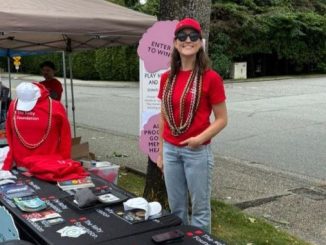
Founded by Heather McCain after a personal run-in with ableism and a frustrating silence from the systems that should have done better, LETS has grown from a small chronic pain support group into a powerful, community-rooted organization amplifying the voices of disabled, neurodivergent, and 2SLGBTQIA+ people across Turtle Island. We sat down with Heather to hear how it all started — and why the work is far from over.
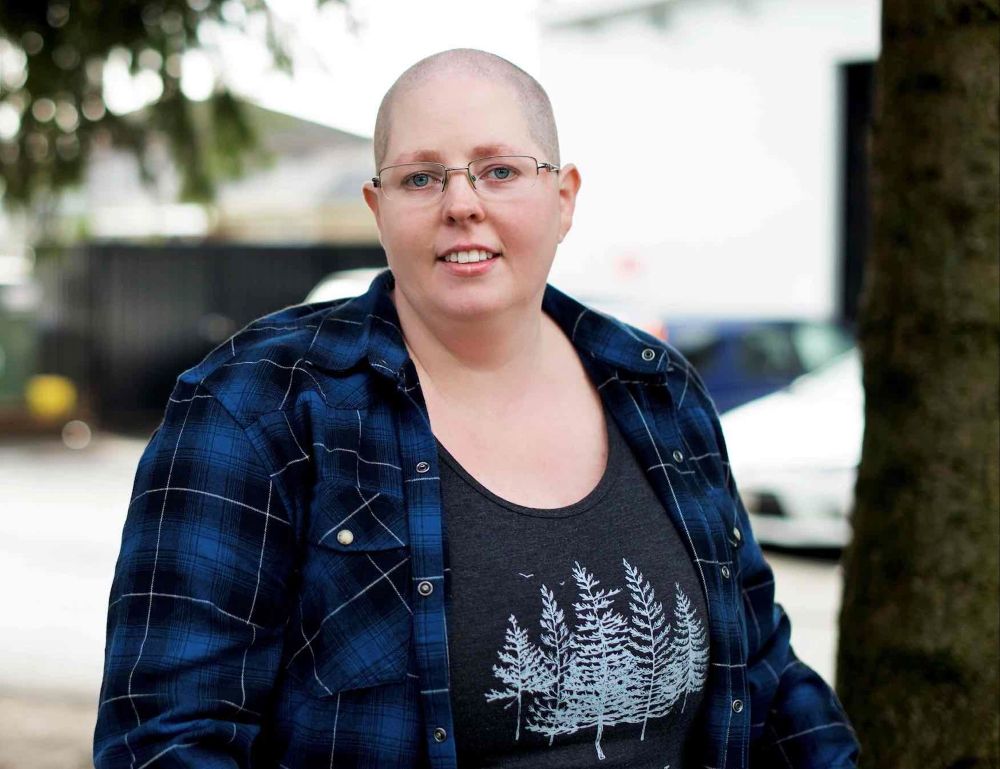
Describe your organization in a few sentences.
LETS is a disability and neurodivergent-run organization — and most of us are also 2SLGBTQIA+. Our mission is to create meaningful dialogues by utilizing and amplifying lived and living expertise to build transformative educational opportunities. Our work builds community, supports self-advocacy, and models how accessibility, diversity, and equity can become a reality — using an intersectional lens, Disability Justice principles, and Indigenous teachings.
What problem does it aim to solve?
We are people from equity-denied populations who got tired of organizations claiming to represent certain communities while having no one from those communities in positions of power. LETS is entirely run on lived expertise — because we understand that living an experience is fundamentally different from watching or studying it. We use the lessons learned through our own lives to better the lives of other queer, disabled, neurodivergent, and equity-denied people.
When did you start?
2005.
What made you want to get involved?
I was being denied access to transit because of ableism, and I couldn’t find a single organization that truly represented the lived expertise of disabled, neurodivergent, and 2SLGBTQIA+ folks. I wanted real representation — by people who had been directly harmed by the inequities in our systems — and I wanted conversations that spoke to the root causes, not just the surface.
What was the situation like when you started?
It was just a handful of people across two communities. I was running a chronic pain support group at the time. Someone jokingly suggested I start my own organization after my letters about inaccessibility and ableism to our local transit authority went completely unanswered. So I did — I created LETS, wrote the exact same letter, but this time with “Executive Director” under my name. I received a response within a week. That moment said everything about why this work matters.
How has it changed since?
The growth has been remarkable. With online access, LETS has expanded its reach across Turtle Island — colonially known as North America. We now offer nearly 20 workshops, create low-sensory spaces, sell sensory kits, conduct research, lead accessibility tours, run a grant program, and have just launched a mentoring program. What started as one person writing a letter has become a full, living community.
What more needs to be done?
The work is never done. We want to keep representing voices and perspectives that aren’t being heard, build exciting new projects, reach wider audiences, and create more opportunities for meaningful and transformative conversations. One of the things LETS is actively grappling with right now is how to get in front of the people who wouldn’t voluntarily seek out our services — because often those are the audiences who need this work the most.
How can our readers help?
Tell people about LETS. Suggest us to your workplace, school, volunteer group, or community organization. Sign up for our newsletter. Awareness is one of the most powerful tools we have, and every person who shares our work helps us reach someone who needs it.
Do you have any events coming up?
We provide free low-sensory events and programming — stay tuned to our channels for the latest details.
Where can we follow you?
Website | Facebook | Instagram
PAY IT FORWARD: What is an awesome local charity you love?
Wildlife Rescue Association — doing vital, compassionate work every day.