
Going solar in Metro Vancouver typically takes 2–4 months from initial consultation to system activation. The process begins with a site assessment to evaluate your roof’s condition, orientation, and shading. After design approval and securing electrical permits from your municipality, installation crews mount the equipment in 1–3 days. Final steps include BC Hydro’s net metering inspection and system commissioning. Weather and permitting timelines can affect scheduling, but most homeowners see their panels generating clean electricity within a few weeks of installation completion.
Picture this: a crisp Vancouver morning, sunlight filtering through the coastal mist onto rooftops across Kitsilano or Burnaby. For many British Columbians, that light represents more than just a beautiful day – it’s untapped potential waiting to power homes sustainably. As energy costs rise and environmental awareness grows, homeowners are increasingly curious about transforming their properties into personal power stations.
Understanding the journey from curiosity to activation matters. When residents begin researching options, they often discover experts like 604 Go Solar that clarify local requirements and realistic expectations for the region’s unique climate and regulatory landscape. Unlike sun-drenched provinces, BC’s installation approach accounts for seasonal light variations and stringent coastal building standards – making expert guidance essential for long-term system performance.
This guide walks you through each phase of the transition, demystifying timelines, paperwork, and technical considerations specific to our region. Whether you live in a heritage home in Victoria or a newer build in Surrey, knowing what to expect helps you move forward with confidence – without surprises or unnecessary delays.
The Complete Solar Installation Journey in British Columbia
Initial Assessment and System Design
Every successful solar project begins with a thorough property evaluation. A qualified technician will examine your roof’s structural integrity, orientation (south-facing roofs perform best in our latitude), and potential shading from trees or neighbouring buildings. They’ll also review 12 months of your BC Hydro bills to determine appropriate system sizing – typically between 5 kW and 10 kW for average Metro Vancouver homes. Designers then create a customized layout accounting for BC’s coastal climate, ensuring panels withstand wind loads and occasional snow accumulation while maximizing energy harvest during our shorter winter days.
Permitting and Utility Coordination
Before any equipment arrives, your installer submits electrical permit applications to your municipality – Vancouver, Burnaby, and Surrey each maintain slightly different processing timelines. Simultaneously, they initiate BC Hydro’s net metering application, which reserves your spot in the interconnection queue. This dual-track approval process typically requires 4–8 weeks, though it may extend during peak seasons. Keeping documentation organized accelerates this phase; homeowners should expect requests for site plans, electrical diagrams, and proof of property ownership.
|
Approval Stage |
Typical Timeline |
Key Requirements |
|
Municipal electrical permit |
2–4 weeks |
Structural assessment, electrical drawings |
|
BC Hydro interconnection agreement |
3–6 weeks |
System specifications, site photos |
|
Final electrical inspection |
1–2 weeks post-installation |
Completed installation, permit documentation |
Physical Installation Execution
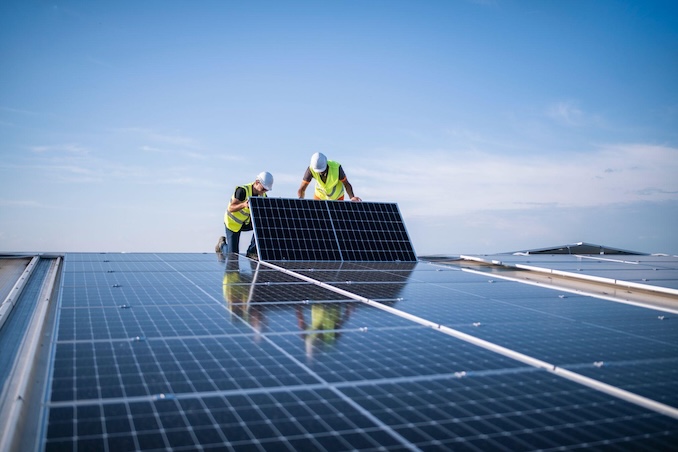
Once permits clear, the hands-on work begins. Crews typically complete residential solar power panel installation within 1–3 consecutive days, weather permitting. The sequence follows strict safety protocols: installing roof attachments and racking first, then securing panels with marine-grade hardware designed for coastal humidity. Next comes the inverter placement – usually in a garage or utility room – followed by conduit runs and electrical connections to your main panel. Minimal disruption occurs inside your home; most work happens on the roof and exterior walls.
Final Inspections and Activation
After installation, a municipal electrical inspector verifies code compliance before granting approval. BC Hydro then schedules a final inspection to install your bi-directional net meter, which tracks both electricity drawn from the grid and excess power your system exports. Upon receiving “Permission to Operate” documentation, your installer performs system commissioning – activating the array and confirming real-time monitoring functionality. Most homeowners begin generating clean energy within 48 hours of this final sign-off, with production visible immediately through companion mobile applications.
Making an Informed Decision for Your Home
Questions to Ask Potential Installers
Selecting the right partner requires more than comparing quotes. During consultations, ask how they address Vancouver’s specific challenges: snow load ratings for racking systems, corrosion-resistant components for coastal air, and experience with heritage home restrictions. Request references from installations completed 3–5 years ago to assess long-term performance. Verify their electrical contractor license through Technical Safety BC’s public registry – a non-negotiable requirement for any legitimate provider in the province.
Key considerations when evaluating solar installation companies:
- Warranty structure (equipment vs. workmanship coverage)
- Response time for system troubleshooting
- Use of Tier-1 panel manufacturers with Canadian climate testing
- Transparency about BC Hydro interconnection timelines
- Post-installation monitoring and support options
Realistic Production Expectations in BC
British Columbia’s solar generation follows a distinct seasonal pattern. A typical 7 kW system in Metro Vancouver produces approximately 70% of its annual output between April and September, with December and January contributing minimally due to shorter days and cloud cover. Modern solar panels bc residents install typically generate 7,500–9,000 kWh annually – enough to offset 60–90% of an average household’s consumption. Production dips during winter don’t negate year-round value; net metering allows credits from sunny months to offset darker periods.
Financial Considerations Beyond Upfront Costs
While BC lacks provincial rebates for residential solar, homeowners benefit from:
- Federal accelerated capital cost allowance for systems under 1 MW
- Elimination of GST on equipment installed by licensed electricians
- Property tax exemptions for solar additions in most municipalities
- Potential home value increase (studies suggest 3–4% premium for energy-efficient properties)
Budget for ancillary expenses often overlooked: roof repairs before installation ($2,000–$5,000 if needed), electrical panel upgrades for older homes ($1,500–$3,000), and vegetation management to prevent future shading.
Preparing Your Property
Maximize your investment by completing these steps before signing contracts:
- Trim overhanging branches that cast shadows between 9 a.m. and 3 p.m.
- Address roof repairs or replacements if your roofing is older than 10 years
- Organize 12 months of BC Hydro bills to enable accurate system sizing
- Confirm your electrical panel has available breaker space (or budget for upgrades)
- Check strata bylaws if you live in a townhouse or condo – some require special approvals
Understanding these factors helps set realistic expectations for solar installation in Vancouver, where climate and regulatory nuances differ meaningfully from sunnier provinces. The most successful projects begin with thorough preparation rather than rushed decisions.
Transitioning to solar energy in British Columbia isn’t about chasing perfection – it’s about making steady, informed progress toward greater energy independence. The process demands patience during permitting phases and realistic expectations about seasonal production variations, but homeowners who approach it methodically typically find the journey smoother than anticipated. What matters most isn’t speed; it’s laying groundwork that ensures your system performs reliably for decades under coastal conditions.