
For much of the 20th century, asbestos was celebrated as a miracle mineral due to its durable, fire-resistant, and inexpensive properties. It lined walls, ceilings, ships, and factories, symbolizing industrial progress. But beneath its practical allure lay a devastating truth. Exposure to asbestos fibres can cause a range of illnesses, most notably mesothelioma, a rare and aggressive cancer that affects the lungs, abdomen, or heart lining.
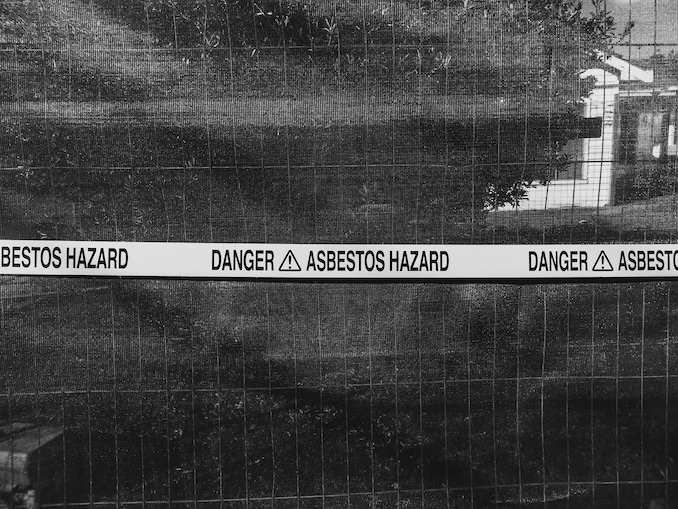
Even decades after asbestos use was curtailed, its legacy continues to unfold in courtrooms, hospitals, and households across communities. In Vancouver and throughout British Columbia, the legacy of asbestos is particularly profound, woven into the city’s historic architecture, old schools, and industrial buildings that still pose risks during renovations and demolitions. This article explores this topic in detail:
The Ongoing Risk in Vancouver’s Built Environment
Vancouver’s construction boom has drawn attention to an uncomfortable truth: thousands of local homes and workplaces built before 1990 likely contain asbestos materials. Asbestos exposure remains the leading cause of occupational death in the province, responsible for more than 500 fatalities between 2002 and 2022.
When older structures are renovated, microscopic asbestos fibres can become airborne, putting construction workers, homeowners, and nearby residents at risk. This has led Vancouver officials to tighten asbestos removal regulations, requiring certified abatement procedures and disposal methods for all demolition and renovation projects involving pre-1990 buildings. Despite these measures, exposure can occur silently; symptoms often appear decades later, making diagnosis and treatment especially difficult.
A Legacy of Exposure
Asbestos exposure isn’t confined to miners or factory workers. For much of the 1900s, insulation, construction materials, and even household products contained the mineral. When disturbed, microscopic asbestos fibres become airborne, lodging in the lungs when inhaled. Over time, sometimes as long as 40 years later, these fibres can trigger fatal diseases like mesothelioma or asbestosis.
According to the Centers for Disease Control and Prevention (CDC), more than 40,000 deaths each year in the U.S. occur due to asbestos-related illnesses, including mesothelioma, lung cancer, and asbestosis. While regulations have dramatically reduced new exposure, thousands of older buildings and infrastructures still contain asbestos, silently endangering maintenance workers, demolition crews, and residents.
The Financial and Emotional Fallout
The physical toll of asbestos-related diseases is matched only by the emotional and financial strain they impose. Treatments are often lengthy, experimental, and expensive, placing enormous pressure on families already navigating grief and uncertainty.
For victims and their loved ones, seeking mesothelioma compensation can provide essential relief, covering medical bills, lost wages, and care costs. But compensation isn’t merely about money. It’s an acknowledgment that negligence has consequences, and that the people who built our cities and industries deserve dignity and justice.
While asbestos use may have been widespread due to ignorance in its early days, the dangers have been well-documented for decades. The World Health Organization (WHO) emphasizes that no level of asbestos exposure is safe. Yet, asbestos continues to be used in some countries, prolonging a cycle of harm that could have been prevented. In Canada, the federal government officially banned asbestos in 2018, yet exposure risks persist. In Canada, the federal government officially banned asbestos in 2018, yet exposure risks persist.
Legal Pathways and Accountability
Pursuing compensation for asbestos-related illness can be complicated. Many companies responsible for exposure have long since closed, merged, or filed for bankruptcy. In response, courts have established asbestos trust funds, allowing victims to claim restitution even when the original employer no longer exists.
Lawyers specializing in asbestos litigation play a crucial role in helping families trace exposure history, gather documentation, and file claims within strict legal deadlines. In many cases, these claims aren’t only about financial survival but also about ensuring accountability; that corporations prioritize worker safety over profit.
The legal recognition of asbestos victims has also spurred broader changes in workplace safety standards. Regulations now require thorough asbestos inspections during renovations and demolitions, and strict disposal measures help minimize secondary exposure.
Beyond the Legal Process
Still, justice for asbestos victims extends beyond the courtroom. Advocacy groups and health organizations continue to fight for bans on asbestos worldwide, pushing for public education, early detection, and worker protections. They remind us that behind every policy reform is a family whose life was irrevocably altered by corporate negligence.
The conversation around asbestos is no longer just about a single mineral; it’s about accountability, prevention, and human value. By recognizing the long-term implications of past industrial choices, society takes a step toward protecting future generations from similar harm.
For Vancouver residents, the lessons of asbestos are deeply local and painfully human. The mineral that once symbolized industrial progress has become a cautionary tale about the cost of negligence and the importance of regulation. Each asbestos-related diagnosis is a reminder that progress without safety is an illusion, and that accountability must remain at the heart of public health policy. Whether through improved workplace safety laws, financial compensation for victims, or community education initiatives, Vancouver’s ongoing fight against asbestos exposure reflects a broader truth: prevention starts with awareness.