
Millions of individuals worldwide suffer from hearing loss, which has many different causes. Not everyone wants to recover as much or has the same level of impairment. Considering current developments in healthcare, such as cell treatment, this is especially crucial. Some patients also wonder what country treats hearing loss with stem cells, as this emerging therapy is still limited to specific clinical trials in select regions.
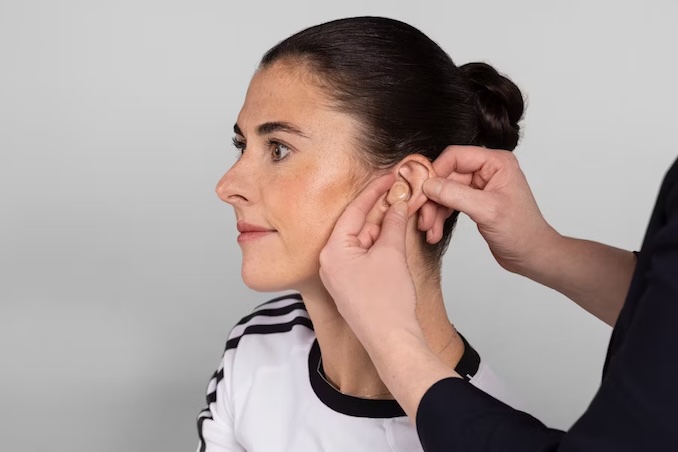
Researchers are studying ethically sourced MSCs for many chronic conditions, including some types of hearing loss. Although it is not a miracle, preliminary studies indicate some successful outcomes in helping some patients whose treatment options are limited.
Millions of people worldwide are hearing impaired, and not all of them have equal hearing problems, nor are these problems equally treatable. The nature of the hearing loss is essential, particularly with the more novel methods such as cell therapy.
Adult mesenchymal stromal cells (MSCs) that are ethically derived are being tested in regenerative treatment of a range of chronic diseases, including some hearing loss types. Although this is not a cure-all, research studies have indicated possible benefits for some patients with fewer treatment methods.
Overview of Hearing Loss Types
Knowing the differences between the many types of hearing loss, each with its own structures and causes, is essential when thinking about possible therapies.
- Sensorineural: Damage to the inner ear or auditory nerve
- Conductive: Problems in the outer or middle ear
- Mixed: A combination of sensorineural and conductive loss
- Central: Issues with how the brain processes sound signals
It is crucial to understand these differences, as they will help determine which forms can be effective with the new treatment methods.
Why Some Hearing Loss Types Are More Amenable to Cell Therapy
The response of hearing loss to cell therapy varies based on the specific condition, so it is important to consider the nature of the condition when looking at newer treatments.
Adult mesenchymal stromal cells (MSCs) that are ethically derived are being tested in regenerative treatment of a range of chronic diseases, including some forms of hearing loss.
Sensorineural Hearing Loss and Cell Therapy
The primary target of regenerative medicine is sensorineural deafness, and clinical trials are being carried out on how adult MSCs can be used to aid nerves, reduce inflammation, and repair.
Early research findings suggest that cell-based interventions may be used to assist or preserve the amplitude and hearing capacities of neurological cells, potentially serving as a medical intervention in the future once adequate clinical results emerge.
Conductive Hearing Loss and Its Relation to Cell Therapy
A common cause of conductive hearing loss is physical obstructions, infections, or harm to the middle ear bones or ear canal. Usually, hearing aids or surgical correction work well.
Current research into cell therapy for conductive loss focuses on its potential role in supporting tissue repair or reducing inflammation. However, it is not considered a primary treatment for this type of hearing loss at present.
Mixed Hearing Loss: Complex Cases and Therapeutic Options
Mixed hearing loss occurs when a person has both sensorineural and conductive hearing loss at the same time. Whereas a device or surgery can deal with the conductive component, cell therapy can be explored to repair the neural components when the conventional treatments prove inadequate.
Other research is exploring innovations that currently utilize genes in hearing restoration, a practice that is not yet standard but is likely to become more common in the future. Best of the best focuses on clinically supported, ethically harvested cell therapies, with ongoing screening and review of newly developed trends.
Central Hearing Loss: Current Status in Cell Therapy Research
It is more difficult to cure using traditional or regenerative approaches when the brain’s capacity to process sound is compromised, as it is after a stroke or other neurological injury.
Research on cell-based treatments for hearing loss is still ongoing, and some research has been done on the potential use of lab-grown auditory neurons to restore lost synaptic connections in the future.
Safety and Ethical Considerations
Mixed hearing loss affects both the ear and auditory nerve; cell therapy may help the neural part when standard care falls short.
Any cell-based treatment should follow strict safety measures, including:
• Screening for bacterial, viral, and fungal contamination
• Confirming genetic stability and viability
• Ensuring immune system compatibility
Proper patient evaluation is needed to define the appropriateness of the therapy and to reduce the risk of using it.
Cell therapy is a treatment approach that shows promise as a potential future cure when conventional treatments are ineffective; however, it only works in certain situations. It’s critical to comprehend the types of hearing loss that regeneration techniques can heal.
It’s critical to understand which types of hearing loss respond to cell treatment. Many turn to Swiss Medica for its ethical sourcing, personalized care, and strict screening.
Have you had experience with hearing loss treatment? Share your story to help others.