
Speed separates the winners from the losers in business. People got spoiled by fast service, and now they have zero tolerance for slow companies. Make someone wait too long, and they’re gone. Nobody wants to wait around anymore. People want their stuff immediately, not next week. It took a while for this to happen, but now it’s completely normal, and it affects every business.
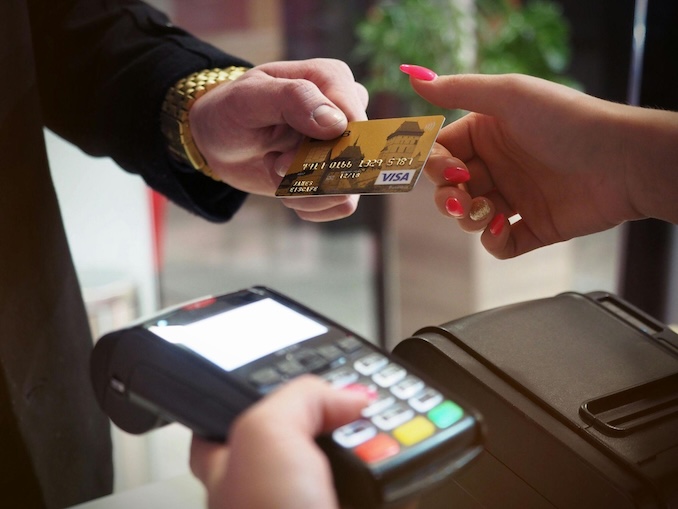
When customers wait too long, their brains react badly. Scientists studied this reaction and found that delays create stress. The stress makes people associate bad feelings with the company that made them wait. Quick service does the opposite. Fast responses make customers happy and loyal. Companies that serve customers quickly see 80% more repeat business than slow competitors.
Online casinos prove this point perfectly. Players who win want their money right away. Nobody wants to wait three days for a withdrawal when they just hit a jackpot. Smart operators built systems that pay out instantly, and these sites dominate the market because players trust them more (source: https://casinobeats.com/ca/online-casinos/instant-withdrawal-casinos/). When someone can cash out winnings immediately, they come back to play again.
Restaurants figured this out after losing tons of customers. Places like Chipotle started serving food in under five minutes, and suddenly, everyone else looked slow. The old-style restaurants that took 20 minutes to make the same kind of food watched their customers leave for faster options. Good food served slowly often loses to okay food served fast. The market decided that speed matters more than perfect presentation.
Amazon built its empire on this principle. Same-day delivery used to be crazy talk, but now people expect it. You can order something after breakfast and have it at your door by dinner. After that, waiting three days for anything feels like forever. Other retailers had to copy Amazon or lose business. Entire industries spent billions on faster delivery systems just to keep up.
Customer service speed matters just as much. Research shows that 66% of shoppers abandon purchases when they can’t get quick answers. Live chat that responds in 30 seconds converts three times more visitors than a chat that takes five minutes. Phone support that answers on the first ring gets much higher satisfaction scores than systems with long hold times.
Mobile apps made speed expectations even stricter. Apps that take more than three seconds to load lose 53% of users before the content appears. Social media has trained people to expect instant responses to every tap and swipe. This conditioning affected every other digital interaction, from banking to shopping to appointment booking.
Fast service creates an interesting psychological effect. Customers often think quick service means higher quality, even when comparing identical products. This “speed premium” explains why express shipping options stay profitable despite tiny differences in actual delivery costs.
Smart companies now track speed metrics as closely as sales numbers. They measure response times, processing delays, and delivery schedules because slow service costs more than speed improvements. Businesses that focus on quick service often discover other benefits follow: better inventory control, more efficient staff, and stronger customer relationships.
Modern customers have endless choices. When two companies offer similar products at similar prices, the faster one usually wins. Speed shows respect for the customer’s time and creates emotional connections that traditional advertising cannot build. Companies that get this simple idea win more customers and keep them around.
The successful businesses today know one thing: speed isn’t just nice to have anymore. It shows customers whether you actually care about them or not. With so many options out there, the companies that move fastest usually end up with the most loyal customers.